

Common Nighthawk vs Succiacapre collorosso
Chordeiles minor contro Caprimulgus ruficollis
Fai un quiz con Common Nighthawk e Succiacapre collorosso
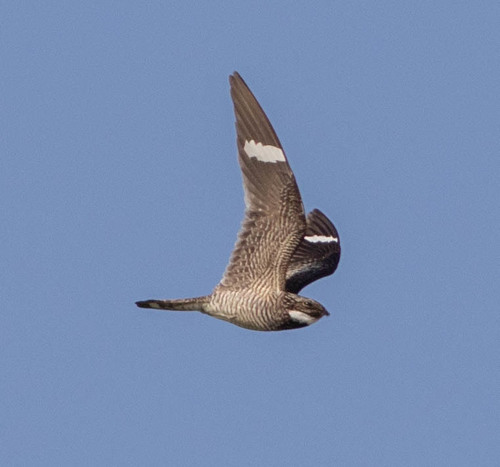 Common Nighthawk
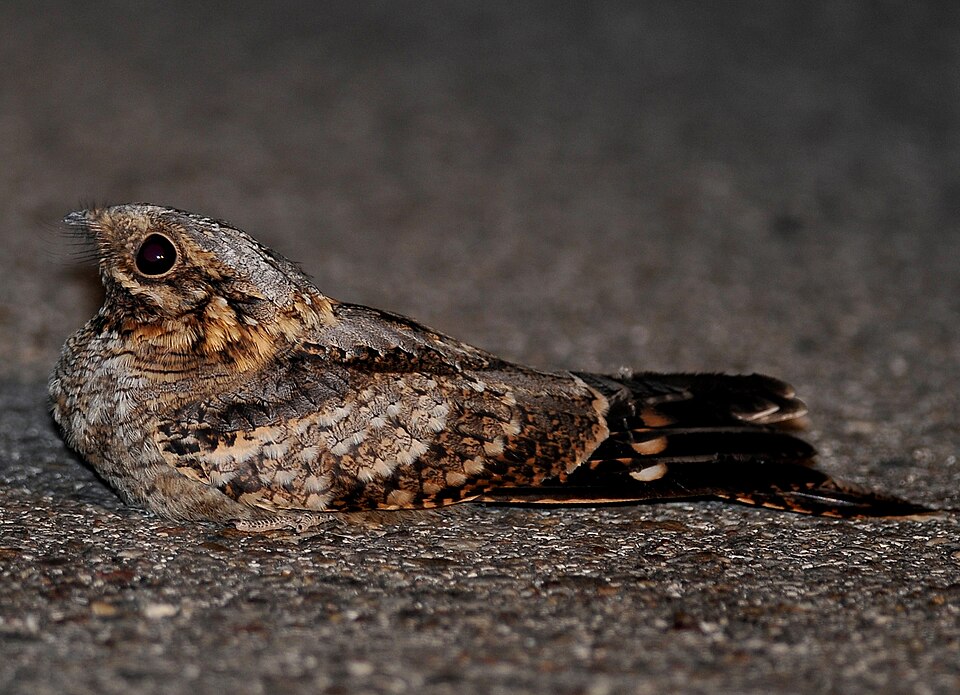 Succiacapre collorosso
In breve
Il segno di campo più affidabile per separare il Common Nighthawk dal Succiacapre collorosso è la presenza di una vistosa macchia bianca sulle ali in entrambe le specie, ma la macchia del nighthawk è più piccola nei giovani e più nettamente definita negli adulti, mentre quella del nightjar è più grande e entrambi i sessi hanno angoli bianchi sulla coda e un distintivo collare rufous. I nighthawk giovani mostrano una macchia bianca sulle ali più piccola rispetto agli adulti, il che può essere un tranello. Strutturalmente, il Succiacapre collorosso è più robusto, con una coda più lunga e un collare rufous notevolmente visibile, mentre il Common Nighthawk è più snello con un volo più erratico e galleggiante. Entrambi sono criptici a riposo, ma il nighthawk spesso si appollaia orizzontalmente su rami o tetti, mentre il nightjar è più rigorosamente terrestre. Le vocalizzazioni sono completamente diverse e diagnostiche se udite.
Consigli di identificazione
- Dimensione e posizione della macchia bianca sulle ali: Entrambe le specie mostrano una macchia bianca sulle ali, ma nel giovane Common Nighthawk è più piccola e meno audace rispetto agli adulti; quella del Succiacapre collorosso è più grande e entrambi i sessi mostrano anche angoli bianchi sulla coda e sulla gola. Usa questo in volo, specialmente per gli immaturi.
- Collare rufous: Solo il Succiacapre collorosso ha un collare rufous prominente, visibile in buona luce e a riposo. Se lo vedi, è diagnostico per il nightjar.
- Forma e lunghezza della coda: Il Succiacapre collorosso ha una coda più lunga e robusta; il Common Nighthawk ha una coda intagliata e un profilo più snello e angolare.
- Stile di volo: Il volo del nighthawk è galleggiante, erratico e acrobatico, con bruschi giri e svolte; il Succiacapre collorosso vola con forti battiti d'ali deliberati e planate, apparendo più simile a una falena e stabile.
- Comportamento di appollaiamento: Il Common Nighthawk spesso si appollaia orizzontalmente su rami, pali, tetti o sul terreno; il Succiacapre collorosso è più rigorosamente terrestre e raramente si appollaia sopra il suolo.
- Schema del piumaggio: Il nighthawk è grigio scuro, nero e marrone con intricati schemi criptici e barre sui lati e sull'addome; il Succiacapre collorosso è grigio lichene, pesantemente barrato e striato di buff, castano e nero, con un collare rufous.
- Barre sotto: Entrambe le specie sono barrate sotto, ma il Succiacapre collorosso è più pesantemente e grossolanamente barrato.
- Caratteristiche facciali: Il nighthawk non ha setole rictali e ha una testa grande e appiattita con grandi occhi; il viso del nightjar è meno distintivo ma il collare rufous spicca se visibile.
- Dimensione in mano o a distanza ravvicinata: Il Succiacapre collorosso è più grande e pesante (32 cm, 84 g) rispetto al Common Nighthawk (22–25 cm, 79 g), ma la dimensione può essere difficile da giudicare sul campo.
- Contesto geografico: In Europa o Nord Africa, un grande nightjar con un collare rufous è il Succiacapre collorosso; nelle Americhe, è il Common Nighthawk.
- Vocalizzazioni: Se udite, il richiamo del nighthawk è molto diverso da quello ripetitivo del nightjar 'kyok-kyok-kyok...' o del battito d'ali. Usa la voce ogni volta che è possibile.
- Muta stagionale: I nighthawk giovani sono più chiari e hanno una macchia bianca sulle ali più piccola rispetto agli adulti, il che può portare a confusione con il nightjar, specialmente in autunno.
- Differenze sessuali: Entrambi i sessi del Succiacapre collorosso mostrano bianco nella coda e nella gola, mentre le marcature bianche del nighthawk sono meno estese e non sugli angoli della coda.
- Habitat: Il nightjar preferisce brughiere sabbiose aperte con alberi o cespugli sparsi; il nighthawk è più generalista e spesso visto sopra città e aree aperte.
- Tranelli: I nighthawk immaturi con macchie bianche ridotte possono essere scambiati per nightjar; controlla sempre il collare rufous e gli angoli bianchi della coda per confermare il Succiacapre collorosso.
Taglia
Il Succiacapre collorosso è il più grande dei due, con una lunghezza di 32 cm e un'apertura alare di 64 cm, rispetto alla lunghezza di 22–25 cm e all'apertura alare di 51–61 cm del Common Nighthawk [wikipedia]. La massa è simile ma leggermente più alta nel nightjar (84,0 g contro 79,3 g) [wikidata]. Sul campo, il nightjar appare più robusto e con una coda più lunga, mentre il nighthawk è più snello e angolare, specialmente in volo.
Piumaggio
I giovani Common Nighthawks sono complessivamente più chiari e hanno una macchia bianca sulle ali più piccola rispetto agli adulti, il che può farli apparire meno contrastanti in volo. Gli adulti di entrambe le specie hanno macchie bianche sulle ali, ma quella del Succiacapre collorosso è più grande e entrambi i sessi mostrano anche bianco sugli angoli della coda e sulla gola. Il nightjar è grigio lichene con pesanti barre e un prominente collare rufous, mentre il nighthawk è grigio scuro, nero e marrone con intricati schemi criptici e barre evidenti sui lati e sull'addome. Il nighthawk non ha affatto un collare rufous. Le parti inferiori del Succiacapre collorosso sono pesantemente barrate, e la sottospecie nordafricana è più chiara con più bande arancioni e nere sulle primarie. Entrambe le specie sono estremamente criptiche a riposo, ma il collare rufous del nightjar è un forte segno di campo se visibile.
Comportamento
Il Common Nighthawk è più evidente nel volo galleggiante ed erratico, spesso cercando cibo in alto e mostrando bruschi giri e svolte. Si appollaia orizzontalmente su rami, pali, tetti o sul terreno, muovendosi raramente a piedi. Il Succiacapre collorosso è più rigorosamente terrestre durante il giorno, sdraiandosi piatto e immobile, somigliando a un pezzo di corteccia o lichene. Il suo volo è descritto come facile, silenzioso e simile a una falena, con forti battiti d'ali deliberati alternati a planate. Entrambi sono crepuscolari o notturni, ma il volo del nighthawk è più erratico e acrobatico, mentre il nightjar è più stabile e simile a una falena.
Habitat
Il Common Nighthawk si trova in tutta l'America ed è altamente migratorio, spesso visto sopra aree aperte, città e tetti. Il Succiacapre collorosso è limitato all'Iberia e al Nord Africa per la riproduzione, svernando nell'Africa occidentale tropicale, e preferisce brughiere sabbiose aperte con alberi o cespugli sparsi. In Europa, il nightjar è il più grande nightjar e viene raramente visto al di fuori della sua area di riproduzione. Il contesto dell'habitat può essere utile: un nightjar in Iberia o Nord Africa è probabilmente un Succiacapre collorosso, mentre un nightjar nelle Americhe è quasi certamente un nighthawk.
Voce
L'identità del Common Nighthawk è spesso meglio rivelata dalla sua vocalizzazione, che non è descritta in dettaglio qui ma è distinta dal Succiacapre collorosso. Il Succiacapre collorosso emette un richiamo meccanico ripetitivo 'kyok-kyok-kyok...' che sale e scende mentre l'uccello gira la testa, e produce anche un forte battito d'ali durante il corteggiamento. Il richiamo del nighthawk non è simile e, se udito, è diagnostico per la separazione.
Common Nighthawk · Succiacapre collorosso · I miei uccelli difficili