

Motmot

アメリカヨタカ 対 アカエリヨタカ

Chordeiles minor 対 Caprimulgus ruficollis

アメリカヨタカとアカエリヨタカのクイズ
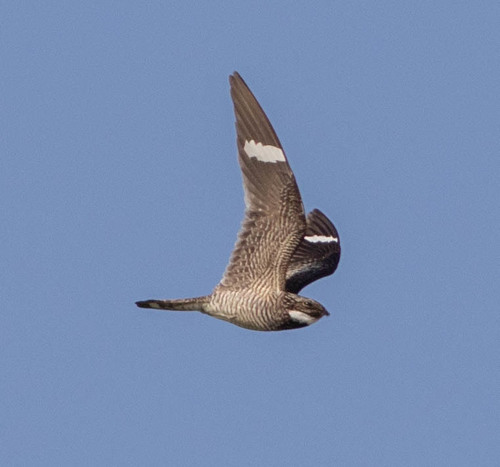
アメリカヨタカ (Chordeiles minor) アメリカヨタカ
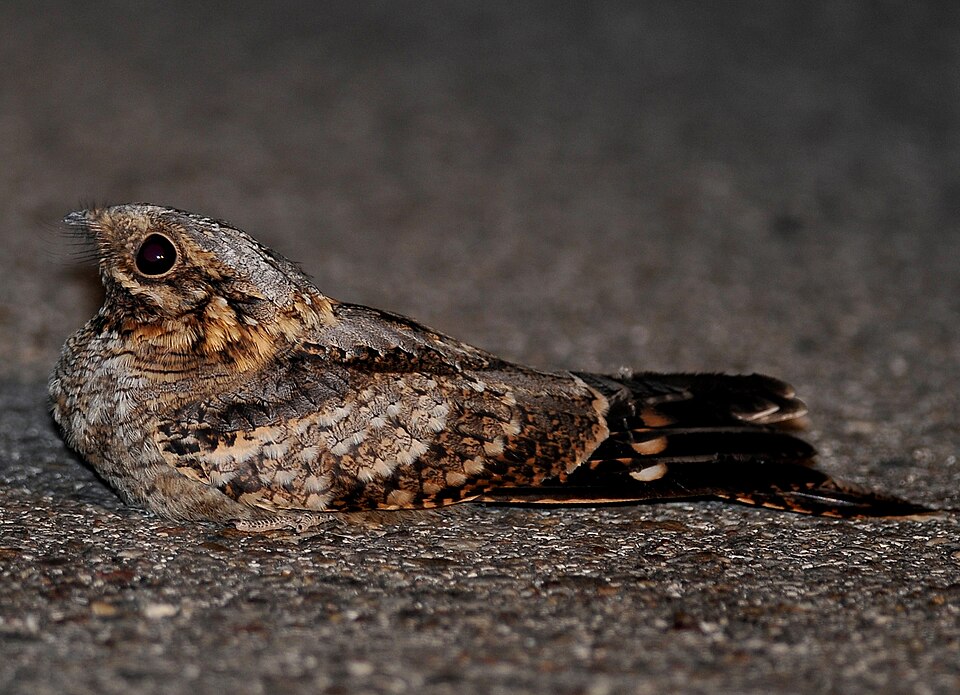
アカエリヨタカ (Caprimulgus ruficollis) アカエリヨタカ

メディア

読み込み中…

要点

アメリカヨタカとアカエリヨタカを区別するための最も信頼できるフィールドマークは、両種における大胆な白い翼の斑点の存在ですが、ヨタカの斑点は幼鳥では小さく、成鳥ではより明確に定義されています。一方、ヨタカの斑点は大きく、両性ともに白い尾の角と特徴的な赤褐色の首の襟があります。幼鳥のヨタカは成鳥よりも小さな白い翼の斑点を示し、これが落とし穴になることがあります。構造的には、アカエリヨタカはより大きく、尾が長く、明らかに赤褐色の襟を持っていますが、アメリカヨタカはよりスリムで、より不規則で浮遊感のある飛行をします。両者は休息時には隠れていますが、ヨタカはしばしば枝や屋根に水平に止まるのに対し、ヨタカはより厳密に地面に止まります。声は完全に異なり、聞こえた場合には診断的です。

識別のコツ

  1. 白い翼の斑点のサイズと配置: 両種は白い翼の斑点を示しますが、幼鳥のアメリカヨタカでは成鳥よりも小さく、あまり大胆ではありません。アカエリヨタカの斑点は大きく、両性ともに白い尾の角と喉を示します。特に未熟な個体の飛行時にこれを利用してください。
  2. 赤褐色の首の襟: アカエリヨタカだけが目立つ赤褐色の襟を持ち、良好な光の下で休息時に見えます。これを見た場合、ヨタカの診断になります。
  3. 尾の形と長さ: アカエリヨタカは尾が長く、より大きいです。アメリカヨタカは切れ込みのある尾を持ち、スリムでより角ばったプロファイルです。
  4. 飛行スタイル: ヨタカの飛行は浮遊感があり、不規則でアクロバティックで、鋭いひねりやターンを伴います。アカエリヨタカは強く、意図的な翼の拍動で飛び、滑空し、より蛾のようで安定して見えます。
  5. 止まり方: アメリカヨタカはしばしば枝、柱、屋根、または地面に水平に止まります。アカエリヨタカはより厳密に地面に止まり、地面の上に止まることはほとんどありません。
  6. 羽毛のパターン: ヨタカは暗灰色、黒、茶色で、複雑な隠蔽パターンと側面や腹部にバーニングがあります。アカエリヨタカは地衣類灰色で、重いバーニングがあり、バフ、栗色、黒のストリークがあり、赤褐色の襟があります。
  7. 腹部のバーニング: 両種は下部にバーニングがありますが、アカエリヨタカはより重く粗いバーニングがあります。
  8. 顔の特徴: ヨタカはリクタルブリストルがなく、大きく平らな頭と大きな目を持っています。ヨタカの顔はあまり特徴的ではありませんが、赤褐色の襟が見える場合は目立ちます。
  9. 手に持ったときのサイズまたは近距離でのサイズ: アカエリヨタカはアメリカヨタカよりも大きく重い(32 cm、84 g)ですが、サイズはフィールドで判断するのが難しいことがあります。
  10. 地理的文脈: ヨーロッパや北アフリカでは、赤褐色の襟を持つ大きなヨタカはアカエリです。アメリカではアメリカヨタカです。
  11. 声: 聞こえた場合、ヨタカの鳴き声はヨタカの繰り返しの「キョクキョクキョク...」や翼の拍手とは非常に異なります。可能な限り声を使用してください。
  12. 季節的な換羽: 幼鳥のヨタカは全体的に淡く、成鳥よりも小さな白い翼の斑点を持っており、特に秋にはヨタカと混同されることがあります。
  13. 性差: アカエリヨタカの両性は尾と喉に白を示しますが、ヨタカの白いマーキングはあまり広範ではなく、尾の角にはありません。
  14. 生息地: ヨタカは散在する木や茂みのある開けた砂地のヘathsを好みます。ヨタカはより一般的で、都市や開けた地域でよく見られます。
  15. 落とし穴: 白い翼の斑点が減少した未熟なヨタカはヨタカと間違えられることがあります。アカエリヨタカを確認するためには、常に赤褐色の襟と白い尾の角を確認してください。

大きさ

アカエリヨタカは2種の中で大きく、長さ32 cm、翼幅64 cmで、アメリカヨタカの長さ22–25 cm、翼幅51–61 cmと比較されます [wikipedia]。質量は似ていますが、ヨタカの方がわずかに重い(84.0 g対79.3 g)です [wikidata]。フィールドでは、ヨタカはより大きく、尾が長く見えますが、ヨタカはスリムでより角ばって見え、特に飛行中にそうです。

羽色

幼鳥のアメリカヨタカは全体的に淡く、成鳥よりも小さな白い翼の斑点を持っており、これが飛行中に対比を少なく見せることがあります。両種の成鳥は白い翼の斑点を持っていますが、アカエリヨタカの方が大きく、両性ともに尾の角と喉に白を示します。ヨタカは地衣類灰色で、重いバーニングと目立つ赤褐色の首の襟を持っていますが、ヨタカは暗灰色、黒、茶色で、複雑な隠蔽パターンと側面や腹部に目立つバーニングがあります。ヨタカは赤褐色の襟を全く持っていません。アカエリヨタカの下部は重くバーニングされており、北アフリカの亜種はより淡く、一次羽にオレンジと黒のバンディングが多いです。両種は休息時に非常に隠蔽的ですが、ヨタカの赤褐色の襟は見える場合に強いフィールドマークです。

行動

アメリカヨタカは浮遊感のある不規則な飛行で最も目立ち、高いところで餌を探し、鋭いひねりやターンを示します。枝、柱、屋根、または地面に水平に止まり、ほとんど歩くことはありません。アカエリヨタカは昼間はより厳密に地面に止まり、平らに横たわり、動かず、樹皮や地衣類のように見えます。その飛行は簡単で静かで蛾のようで、強く意図的な翼の拍動と滑空が交互に行われます。両者は薄明かりまたは夜行性ですが、ヨタカの飛行はより不規則でアクロバティックであり、ヨタカはより安定していて蛾のようです。

生息環境

アメリカヨタカはアメリカ大陸全体に分布し、高度に移動性があり、開けた地域、都市、屋根の上でよく見られます。アカエリヨタカは繁殖のためにイベリア半島と北アフリカに制限され、熱帯西アフリカで越冬し、散在する木や茂みのある開けた砂地のヘathsを好みます。ヨーロッパでは、ヨタカは最大のヨタカであり、繁殖範囲外ではほとんど見られません。生息地の文脈は役立つことがあります:イベリア半島や北アフリカのヨタカはアカエリである可能性が高く、アメリカ大陸のヨタカはほぼ確実にアメリカヨタカです。

声

アメリカヨタカのアイデンティティは、その声によって最もよく明らかにされますが、ここでは詳細に説明されていませんが、アカエリヨタカとは異なります。アカエリヨタカは繰り返しの機械的な「キョクキョクキョク...」という鳴き声を出し、鳥が頭を回すときに上昇し下降します。また、求愛中に鋭い翼の拍手を出します。ヨタカの鳴き声は似ておらず、聞こえた場合には区別のための診断になります。

より良い説明を送る

比較と同じ項目を使ってください。文章はすぐに公開されます。

The most reliable field mark for separating Common Nighthawk from Red-necked Nightjar is the presence of a bold white wing patch in both species, but the nighthawk’s patch is smaller in juveniles and more sharply defined in adults, while the nightjar’s is larger and both sexes have white tail corners and a distinctive rufous neck-collar. Juvenile nighthawks show a smaller white wing patch than adults, which can be a pitfall. Structurally, Red-necked Nightjar is bulkier, longer-tailed, and has a noticeably rufous collar, while Common Nighthawk is slimmer with a more erratic, buoyant flight. Both are cryptic at rest, but the nighthawk often perches horizontally on branches or roofs, whereas the nightjar is more strictly ground-roosting. Vocalizations are completely different and diagnostic if heard.

  1. White wing patch size and placement: Both species show a white wing patch, but in juvenile Common Nighthawk it is smaller and less bold than in adults; Red-necked Nightjar’s is larger and both sexes also show white tail corners and throat. Use this in flight, especially for immatures.
  2. Rufous neck-collar: Only Red-necked Nightjar has a prominent rufous collar, visible in good light and at rest. If you see this, it is diagnostic for nightjar.
  3. Tail shape and length: Red-necked Nightjar is longer-tailed and bulkier; Common Nighthawk has a notched tail and slimmer, more angular profile.
  4. Flight style: Nighthawk flight is buoyant, erratic, and acrobatic, with sharp twists and turns; Red-necked Nightjar flies with strong, deliberate wingbeats and glides, appearing more moth-like and steady.
  5. Perching behavior: Common Nighthawk often perches horizontally on branches, posts, roofs, or the ground; Red-necked Nightjar is more strictly ground-roosting and rarely perches above ground.
  6. Plumage pattern: Nighthawk is dark gray, black, and brown with intricate cryptic patterns and barring on sides and abdomen; Red-necked Nightjar is lichen-grey, heavily barred, and streaked with buff, chestnut, and black, with a rufous collar.
  7. Underpart barring: Both species are barred below, but Red-necked Nightjar is more heavily and coarsely barred.
  8. Facial features: Nighthawk lacks rictal bristles and has a large, flattened head with large eyes; nightjar’s face is less distinctive but the rufous collar stands out if visible.
  9. Size in hand or at close range: Red-necked Nightjar is larger and heavier (32 cm, 84 g) than Common Nighthawk (22–25 cm, 79 g), but size can be hard to judge in the field.
  10. Geographic context: In Europe or North Africa, a large nightjar with a rufous collar is Red-necked; in the Americas, it is Common Nighthawk.
  11. Vocalizations: If heard, the nighthawk’s call is very different from the nightjar’s repetitive 'kyok-kyok-kyok...' or wing-clap. Use voice whenever possible.
  12. Seasonal molt: Juvenile nighthawks are paler and have a smaller white wing patch than adults, which can lead to confusion with nightjar, especially in autumn.
  13. Sex differences: Both sexes of Red-necked Nightjar show white in the tail and throat, while nighthawk’s white markings are less extensive and not on the tail corners.
  14. Habitat: Nightjar prefers open sandy heaths with scattered trees or bushes; nighthawk is more generalist and often seen over cities and open areas.
  15. Pitfalls: Immature nighthawks with reduced white wing patches can be mistaken for nightjars; always check for the rufous collar and white tail corners to confirm Red-necked Nightjar.

Red-necked Nightjar is the larger of the two, with a length of 32 cm and a wingspan of 64 cm, compared to the Common Nighthawk’s 22–25 cm length and 51–61 cm wingspan [wikipedia]. Mass is similar but slightly higher in the nightjar (84.0 g vs 79.3 g) [wikidata]. In the field, the nightjar appears bulkier and longer-tailed, while the nighthawk is slimmer and more angular, especially in flight.

Juvenile Common Nighthawks are paler overall and have a smaller white wing patch than adults, which can make them appear less contrasting in flight. Adults of both species have white wing spots, but the Red-necked Nightjar’s is larger and both sexes also show white on the tail corners and throat. The nightjar is lichen-grey with heavy barring and a prominent rufous neck-collar, while the nighthawk is dark gray, black, and brown with intricate cryptic patterns and noticeable barring on the sides and abdomen. The nighthawk lacks a rufous collar entirely. The Red-necked Nightjar’s underparts are heavily barred, and the North African subspecies is paler with more orange and black banding on the primaries. Both species are extremely cryptic at rest, but the nightjar’s rufous collar is a strong field mark if visible.

Common Nighthawk is most conspicuous in buoyant, erratic flight, often foraging high and showing sharp twists and turns. It perches horizontally on branches, posts, roofs, or the ground, rarely moving on foot. Red-necked Nightjar is more strictly ground-roosting during the day, lying flat and motionless, resembling a piece of bark or lichen. Its flight is described as easy, silent, and moth-like, with strong, deliberate wingbeats alternating with glides. Both are crepuscular or nocturnal, but nighthawk flight is more erratic and acrobatic, while the nightjar is steadier and more moth-like.

Common Nighthawk is found throughout the Americas and is highly migratory, often seen over open areas, cities, and rooftops. Red-necked Nightjar is restricted to Iberia and North Africa for breeding, wintering in tropical West Africa, and prefers open sandy heaths with scattered trees or bushes. In Europe, the nightjar is the largest nightjar and is rarely seen outside its breeding range. Habitat context can be helpful: a nightjar in Iberia or North Africa is likely Red-necked, while a nightjar in the Americas is almost certainly a nighthawk.

The Common Nighthawk’s identity is often best revealed by its vocalization, which is not described in detail here but is distinct from the Red-necked Nightjar. The Red-necked Nightjar gives a repetitive mechanical 'kyok-kyok-kyok...' call that rises and falls as the bird turns its head, and also produces a sharp wing-clap during courtship. The nighthawk’s call is not similar and, if heard, is diagnostic for separation.

変更を破棄しますか?

保存していない編集があります。今離れると失われます。

アメリカヨタカ · アカエリヨタカ · 苦手な鳥