

Añapero Yanqui vs Chotacabras Cuellirrojo
Chordeiles minor frente a Caprimulgus ruficollis
Juega un quiz con Añapero Yanqui y Chotacabras Cuellirrojo
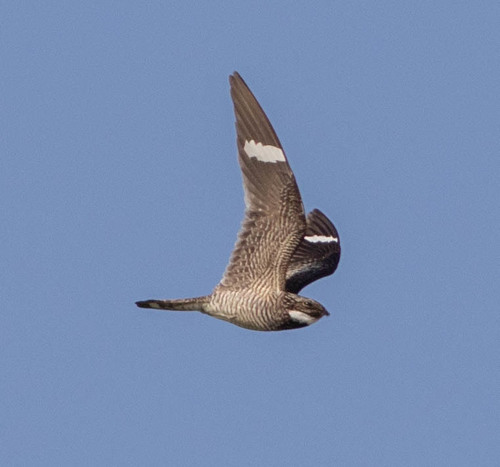 Añapero Yanqui
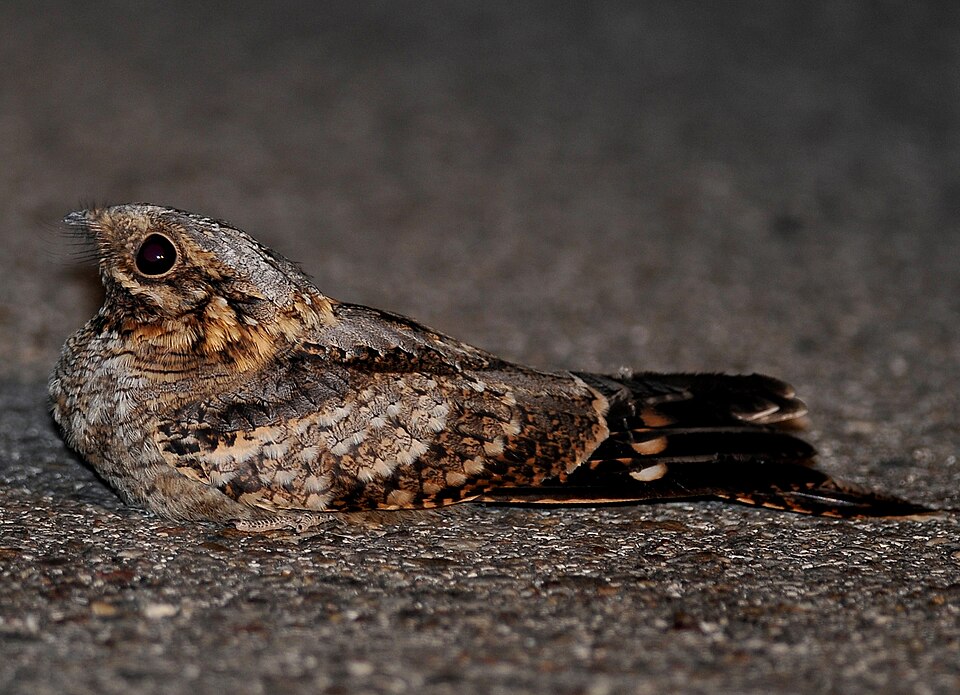 Chotacabras Cuellirrojo
En breve
La marca de campo más confiable para separar el Añapero Yanqui del Chotacabras Cuellirrojo es la presencia de una notable mancha blanca en las alas en ambas especies, pero la mancha del añapero es más pequeña en los juveniles y más definida en los adultos, mientras que la del chotacabras es más grande y ambos sexos tienen esquinas blancas en la cola y un distintivo collar rufoso en el cuello. Los añaperos juveniles muestran una mancha blanca en las alas más pequeña que los adultos, lo que puede ser un inconveniente. Estructuralmente, el Chotacabras Cuellirrojo es más robusto, tiene una cola más larga y un collar rufoso notable, mientras que el Añapero Yanqui es más delgado con un vuelo más errático y ligero. Ambos son crípticos al reposar, pero el añapero a menudo se posa horizontalmente en ramas o techos, mientras que el chotacabras es más estrictamente terrestre. Las vocalizaciones son completamente diferentes y diagnósticas si se escuchan.
Consejos de identificación
- Tamaño y ubicación de la mancha blanca en las alas: Ambas especies muestran una mancha blanca en las alas, pero en el juvenil Añapero Yanqui es más pequeña y menos marcada que en los adultos; la del Chotacabras Cuellirrojo es más grande y ambos sexos también muestran esquinas blancas en la cola y la garganta. Utiliza esto en vuelo, especialmente para los inmaduros.
- Collar rufoso: Solo el Chotacabras Cuellirrojo tiene un collar rufoso prominente, visible en buena luz y al reposar. Si ves esto, es diagnóstico para el chotacabras.
- Forma y longitud de la cola: El Chotacabras Cuellirrojo tiene una cola más larga y es más robusto; el Añapero Yanqui tiene una cola con muescas y un perfil más delgado y anguloso.
- Estilo de vuelo: El vuelo del añapero es ligero, errático y acrobático, con giros y vueltas agudas; el Chotacabras Cuellirrojo vuela con fuertes y deliberados aleteos y planeos, apareciendo más como una polilla y estable.
- Comportamiento de posado: El Añapero Yanqui a menudo se posa horizontalmente en ramas, postes, techos o el suelo; el Chotacabras Cuellirrojo es más estrictamente terrestre y rara vez se posa por encima del suelo.
- Patrón de plumaje: El añapero es de color gris oscuro, negro y marrón con patrones crípticos intrincados y bandas en los lados y el abdomen; el Chotacabras Cuellirrojo es de color gris líquen, con fuertes bandas y rayas de color buff, castaño y negro, con un collar rufoso.
- Bandas en las partes inferiores: Ambas especies tienen bandas en la parte inferior, pero el Chotacabras Cuellirrojo tiene bandas más gruesas y pesadas.
- Características faciales: El añapero carece de cerdas rictales y tiene una cabeza grande y aplanada con ojos grandes; la cara del chotacabras es menos distintiva, pero el collar rufoso destaca si es visible.
- Tamaño en mano o a corta distancia: El Chotacabras Cuellirrojo es más grande y pesado (32 cm, 84 g) que el Añapero Yanqui (22–25 cm, 79 g), pero el tamaño puede ser difícil de juzgar en el campo.
- Contexto geográfico: En Europa o el norte de África, un gran chotacabras con un collar rufoso es el Chotacabras Cuellirrojo; en las Américas, es el Añapero Yanqui.
- Vocalizaciones: Si se escucha, el canto del añapero es muy diferente del canto repetitivo del chotacabras 'kyok-kyok-kyok...' o el aleteo. Utiliza la voz siempre que sea posible.
- Muda estacional: Los añaperos juveniles son más pálidos y tienen una mancha blanca en las alas más pequeña que los adultos, lo que puede llevar a confusiones con el chotacabras, especialmente en otoño.
- Diferencias sexuales: Ambos sexos del Chotacabras Cuellirrojo muestran blanco en la cola y la garganta, mientras que las marcas blancas del añapero son menos extensas y no están en las esquinas de la cola.
- Hábitat: El chotacabras prefiere brezales arenosos abiertos con árboles o arbustos dispersos; el añapero es más generalista y a menudo se ve sobre ciudades y áreas abiertas.
- Trampas: Los añaperos inmaduros con manchas blancas en las alas reducidas pueden ser confundidos con chotacabras; siempre verifica el collar rufoso y las esquinas blancas de la cola para confirmar el Chotacabras Cuellirrojo.
Tamaño
El Chotacabras Cuellirrojo es el más grande de los dos, con una longitud de 32 cm y una envergadura de 64 cm, en comparación con la longitud de 22–25 cm y la envergadura de 51–61 cm del Añapero Yanqui [wikipedia]. La masa es similar pero ligeramente mayor en el chotacabras (84.0 g vs 79.3 g) [wikidata]. En el campo, el chotacabras parece más robusto y de cola más larga, mientras que el añapero es más delgado y anguloso, especialmente en vuelo.
Plumaje
Los Añaperos Yanqui juveniles son más pálidos en general y tienen una mancha blanca en las alas más pequeña que los adultos, lo que puede hacer que parezcan menos contrastantes en vuelo. Los adultos de ambas especies tienen manchas blancas en las alas, pero la del Chotacabras Cuellirrojo es más grande y ambos sexos también muestran blanco en las esquinas de la cola y la garganta. El chotacabras es de color gris líquen con fuertes bandas y un prominente collar rufoso, mientras que el añapero es de color gris oscuro, negro y marrón con patrones crípticos intrincados y bandas notables en los lados y el abdomen. El añapero carece completamente de un collar rufoso. Las partes inferiores del Chotacabras Cuellirrojo están fuertemente barradas, y la subespecie del norte de África es más pálida con más bandas de color naranja y negro en las primarias. Ambas especies son extremadamente crípticas al reposar, pero el collar rufoso del chotacabras es una marca de campo fuerte si es visible.
Comportamiento
El Añapero Yanqui es más conspicuo en vuelo ligero y errático, a menudo buscando alimento en lo alto y mostrando giros y vueltas agudas. Se posa horizontalmente en ramas, postes, techos o el suelo, rara vez moviéndose a pie. El Chotacabras Cuellirrojo es más estrictamente terrestre durante el día, acostándose plano e inmóvil, pareciendo un trozo de corteza o líquen. Su vuelo se describe como fácil, silencioso y similar al de una polilla, con fuertes aleteos deliberados alternando con planeos. Ambos son crepusculares o nocturnos, pero el vuelo del añapero es más errático y acrobático, mientras que el chotacabras es más estable y similar al de una polilla.
Hábitat
El Añapero Yanqui se encuentra en toda América y es altamente migratorio, a menudo visto sobre áreas abiertas, ciudades y techos. El Chotacabras Cuellirrojo está restringido a la Iberia y el norte de África para la cría, invernando en el oeste tropical de África, y prefiere brezales arenosos abiertos con árboles o arbustos dispersos. En Europa, el chotacabras es el más grande de su especie y rara vez se ve fuera de su área de cría. El contexto del hábitat puede ser útil: un chotacabras en Iberia o el norte de África es probablemente el Chotacabras Cuellirrojo, mientras que un chotacabras en las Américas es casi seguramente un añapero.
Voz
La identidad del Añapero Yanqui a menudo se revela mejor por su vocalización, que no se describe en detalle aquí pero es distinta del Chotacabras Cuellirrojo. El Chotacabras Cuellirrojo emite un canto mecánico repetitivo 'kyok-kyok-kyok...' que sube y baja a medida que el ave gira la cabeza, y también produce un fuerte aleteo durante el cortejo. El canto del añapero no es similar y, si se escucha, es diagnóstico para la separación.
Añapero Yanqui · Chotacabras Cuellirrojo · Mis aves difíciles