

tentilhão vs bico-grossudo
Fringilla coelebs versus Coccothraustes coccothraustes
Jogue um quiz com tentilhão e bico-grossudo
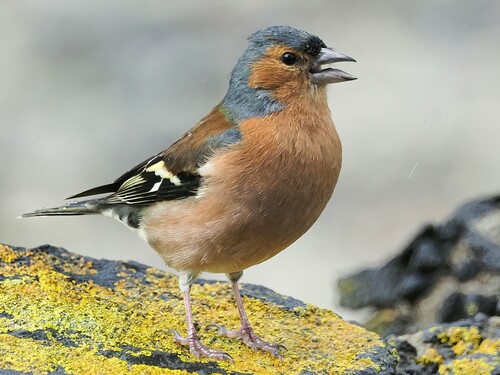 tentilhão
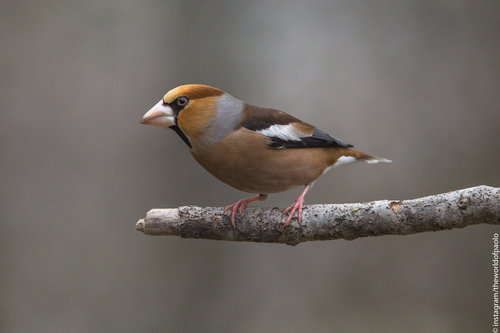 bico-grossudo
Em resumo
A marca de campo mais confiável entre o tentilhão e o bico-grossudo é o bico: o bico-grossudo tem um bico maciço, de cabeça robusta e cônico, enquanto o bico do tentilhão é muito mais fino e mais típico de pequenos tentilhões. Em voo, o bico-grossudo parece ter a cauda muito curta e é volumoso, com faixas brancas impressionantes nas asas e na ponta da cauda, enquanto o tentilhão apresenta duas faixas brancas nítidas nas asas e lados brancos na cauda, mas é mais esbelto e tem a cauda mais longa. Os tentilhões machos adultos são coloridos de forma vibrante, com uma touca azul-acinzentada e partes inferiores avermelhadas, mas as fêmeas e os juvenis são muito mais apagados e podem ser confundidos com o bico-grossudo à distância. Ambas as espécies têm branco nas asas, mas o padrão e a estrutura são bastante diferentes. Atenção cuidadosa ao tamanho do bico, forma da cabeça e silhueta de voo resolverá a maioria das confusões, especialmente em aves com plumagem apagada ou imaturas.
Dicas de identificação
- Tamanho e forma do bico: O bico-grossudo tem um bico maciço, de cabeça robusta e cônico, muito maior e mais grosso que o bico esbelto do tentilhão. Esta é a única diferença estrutural mais confiável a qualquer distância ou ângulo.
- Estrutura da cabeça e pescoço: O bico-grossudo parece ter pescoço robusto e cabeça grande, com uma testa íngreme e pescoço grosso; o tentilhão é mais aerodinâmico e tem cabeça pequena.
- Forma e comprimento da cauda: Em voo, o bico-grossudo parece ter a cauda muito curta e compacta, enquanto o tentilhão tem uma cauda mais longa e afilada com lados brancos óbvios.
- Padrão das asas em voo: O tentilhão (todas as idades) apresenta duas faixas brancas nítidas nas asas e lados brancos na cauda; o bico-grossudo tem uma única mancha branca ampla na asa e uma ponta de cauda branca, com lados de cauda menos óbvios.
- Plumagem do macho adulto: Os machos do tentilhão são inconfundíveis com touca azul-acinzentada, testa preta e partes inferiores avermelhadas; o bico-grossudo é mais marrom uniforme com cabeça laranja e estrias pretas no peito/olhos.
- Confusão entre fêmeas e juvenis: Ambos podem ser marrons apagados, mas o tentilhão ainda apresenta duas faixas brancas limpas nas asas e um bico mais esbelto; o bico do bico-grossudo é sempre grosso, e a mancha da asa é mais quadrada.
- Silhueta de voo: O bico-grossudo é pesado, de cauda curta e de cabeça robusta em voo; o tentilhão é mais esbelto, de cauda mais longa e mais ágil.
- Cor das pernas: O bico-grossudo tem pernas curtas e rosadas; as pernas do tentilhão são cinza-marrons, mas isso raramente é diagnóstico em campo.
- Cor do bico por estação: O bico do bico-grossudo é preto no verão, mais claro no inverno; o bico do tentilhão é cinza-claro no inverno, azul-acinzentado na primavera, mas o tamanho do bico é um separador muito melhor.
- Contexto do habitat: Em jardins, terras agrícolas ou campo aberto, espere encontrar o tentilhão; o bico-grossudo está quase sempre em florestas maduras ou grandes parques com árvores grandes.
- Comportamento: O tentilhão é mais ativo e frequentemente encontrado no chão; o bico-grossudo é mais discreto, frequentemente alto nas árvores ou empoleirado silenciosamente.
- Vocalizações: O tentilhão emite um chamado agudo 'pink' e uma canção alegre; o chamado do bico-grossudo é um 'chick' duro, e sua canção é silenciosa e raramente ouvida.
- Abundância relativa: O tentilhão é comum e amplamente distribuído; o bico-grossudo é escasso e local em muitas áreas, então opte pelo tentilhão, a menos que você tenha evidências fortes para o bico-grossudo.
- Bandos mistos: Se você ver um grupo, especialmente no chão, eles são quase certamente tentilhões; os bico-grossudos raramente formam grandes bandos e são mais solitários.
- Quando em dúvida: Concentre-se primeiro no tamanho do bico e na forma da cabeça, depois verifique os padrões das asas e da cauda em voo. Se a ave parecer ter cabeça robusta e bico maciço, é um bico-grossudo; se for de bico esbelto e mostrar duas faixas brancas nas asas, é um tentilhão.
Tamanho
bico-grossudo is substantially larger and heavier than tentilhão. Chaffinch averages 22 g in mass and is about 14.5 cm long with a wingspan of 24.5–28.5 cm. bico-grossudo is much more robust, weighing 46–70 g, with a length of 16.5–18 cm and a wingspan of 29–33 cm. In the field, bico-grossudo looks noticeably bulkier, with a thick neck and large head, while Chaffinch is more delicate and slender. The size difference is especially obvious if both species are seen together, but can be underestimated at a distance or without direct comparison.
Plumagem
- Juveniles and females: Both species have duller, brownish plumage, but Chaffinch juveniles and females show two clear white wing bars and white tail sides, while bico-grossudo has a single strong white wing patch and white tail tip. Chaffinch’s wing bars are more linear and crisp, whereas bico-grossudo’s wing patch is broader and more blocky.
- Adult males: Chaffinch males are brightly colored with a blue-grey cap, black forehead, and rich rust-red underparts, while bico-grossudo of both sexes is overall light brown with an orange-brown head, black bib and eye-stripe, and a gray nape. bico-grossudo’s wings are deep black above with white, brown, and blue stripes, but the overall effect is more muted than the Chaffinch’s bright contrasts.
- Flight views: Chaffinch shows a slimmer, longer-tailed profile with two white wing bars and white tail sides; bico-grossudo appears short-tailed and bull-headed, with a broad white wing patch and white tail tip. Both have white in the wings, but the shape and placement are different.
- Seasonal changes: Chaffinch males become brighter in spring as feather tips wear off, while bico-grossudo’s bill color changes from pale in winter to black in summer, but overall body plumage is similar year-round.
Comportamento
O tentilhão é uma ave ativa e ágil, frequentemente vista se alimentando no chão ou voando entre árvores e arbustos, às vezes em bandos mistos. O bico-grossudo é mais discreto e geralmente visto sozinho ou em pequenos grupos, frequentemente alto na copa das árvores ou empoleirado silenciosamente. Em voo, o tentilhão é saltitante e direto, enquanto o bico-grossudo parece pesado, com batidas de asas lentas e poderosas e uma cauda visivelmente curta. Os movimentos do bico-grossudo são mais deliberados e menos inquietos do que os do tentilhão.
Habitat
Ambas as espécies podem ocorrer em florestas e parques, mas o tentilhão é muito mais amplamente distribuído e adaptável, encontrado em uma ampla gama de habitats, incluindo jardins, cercas vivas e campo aberto. O bico-grossudo é mais especializado, preferindo florestas decíduas ou mistas maduras com grandes árvores, especialmente a faia, e é menos provável de ser visto em áreas abertas ou urbanas. Se você estiver em um jardim ou terra agrícola, o tentilhão é muito mais provável; o bico-grossudo é geralmente restrito a áreas bem arborizadas.
Voz
O tentilhão tem uma canção familiar e alegre e um chamado agudo e metálico 'pink'. O chamado do bico-grossudo é um 'chick' duro e explosivo, e sua canção é silenciosa e murmurada, frequentemente passando despercebida. Em bandos mistos ou quando as aves estão escondidas, a diferença nas notas de chamada pode ser útil: o chamado do tentilhão é mais agudo e mais ressonante, enquanto o do bico-grossudo é mais baixo, mais duro e mais abrupto.