
Vink vs Appelvink
Fringilla coelebs versus Coccothraustes coccothraustes
Speel een quiz met Vink en Appelvink
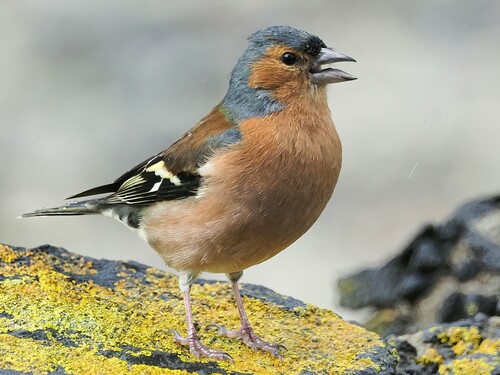 Vink
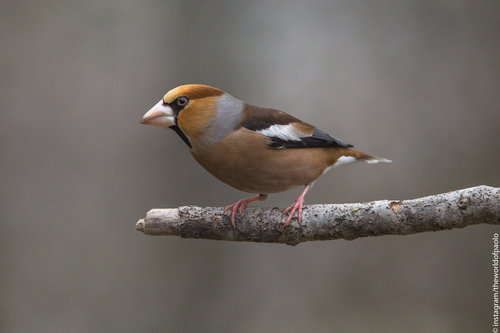 Appelvink
Kort gezegd
Het meest betrouwbare veldkenmerk tussen Vink en Appelvink is de snavel: Appelvink heeft een massieve, bull-headed, conische snavel, terwijl de snavel van de Vink veel slanker is en meer typisch voor kleine vinken. In de vlucht lijkt de Appelvink zeer kortstaartig en bulky, met opvallende witte vleugelstrepen en een witte staartpunt, terwijl de Vink twee scherpe witte vleugelstrepen en witte staartzijden toont, maar slanker en langerstaartig is. Volwassen mannelijke Vinken zijn fel gekleurd met een blauw-grijze pet en roestkleurige onderdelen, maar vrouwtjes en juvenielen zijn veel doffer en kunnen op afstand met de Appelvink worden verward. Beide soorten hebben wit in de vleugels, maar het patroon en de structuur zijn heel anders. Zorgvuldige aandacht voor de snavelgrootte, kopvorm en vluchtprofiel zal de meeste verwarring oplossen, vooral bij dof gekleurde of onvolwassen vogels.
Herkenningstips
- Snavelgrootte en -vorm: Appelvink heeft een massieve, bull-headed, conische snavel, veel groter en dikker dan de slanke snavel van de Vink. Dit is het meest betrouwbare structurele verschil op elke afstand of hoek.
- Kop- en nekstructuur: Appelvink lijkt bull-necked en big-headed, met een steile voorhoofd en dikke nek; de Vink is gestroomlijnder en heeft een kleinere kop.
- Staartvorm en -lengte: In de vlucht lijkt de Appelvink zeer kortstaartig en compact, terwijl de Vink een langere, meer taps toelopende staart heeft met duidelijke witte zijkanten.
- Vleugelpatroon in de vlucht: Vink (alle leeftijden) toont twee scherpe witte vleugelstrepen en witte staartzijden; Appelvink heeft een enkele brede witte vleugelvlek en een witte staartpunt, met minder duidelijke staartzijden.
- Volwassen mannelijke verenkleed: Mannelijke Vinken zijn onmiskenbaar met een blauw-grijze pet, zwart voorhoofd en rijke roestrode onderdelen; Appelvink is meer uniform bruin met een oranje kop en zwarte bies/oogstreep.
- Verwarring bij vrouwtjes en juvenielen: Beide kunnen dof bruin zijn, maar de Vink toont nog steeds twee nette witte vleugelstrepen en een slanker snavel; de snavel van de Appelvink is altijd dik, en de vleugelvlek is blokkeriger.
- Vluchtprofiel: Appelvink is zwaar, kortstaartig en bull-headed in de vlucht; de Vink is slanker, langerstaartig en wendbaarder.
- Kleur van de poten: Appelvink heeft korte, rozeachtige poten; de poten van de Vink zijn grijs-bruin, maar dit is zelden diagnostisch in het veld.
- Snavelkleur per seizoen: De snavel van de Appelvink is zwart in de zomer, bleker in de winter; de snavel van de Vink is lichtgrijs in de winter, blauwachtig-grijs in het voorjaar, maar de snavelgrootte is een veel betere scheiding.
- Habitatcontext: In tuinen, landbouwgrond of open land, verwacht de Vink; de Appelvink is bijna altijd in volwassen bos of grote parken met grote bomen.
- Gedrag: De Vink is actiever en vaak op de grond; de Appelvink is geheimzinniger, vaak hoog in bomen of stil zittend.
- Vocalisaties: De Vink geeft een scherpe 'pink' roep en vrolijk lied; de roep van de Appelvink is een harde 'chick', en zijn lied is stil en zelden gehoord.
- Relatieve overvloed: De Vink is algemeen en wijdverspreid; de Appelvink is schaars en lokaal in de meeste gebieden, dus ga uit van de Vink tenzij je sterke aanwijzingen hebt voor de Appelvink.
- Gemengde groepen: Als je een groep ziet, vooral op de grond, zijn het bijna zeker Vinken; Appelvinken vormen zelden grote groepen en zijn meer solitair.
- Bij twijfel: Focus eerst op snavelgrootte en kopvorm, controleer dan de vleugel- en staartpatronen in de vlucht. Als de vogel bull-headed en massief gesnaveld lijkt, is het een Appelvink; als het slank gesnaveld is en twee witte vleugelstrepen toont, is het een Vink.
Grootte
Appelvink is aanzienlijk groter en zwaarder dan Vink. De Vink weegt gemiddeld 22 g en is ongeveer 14,5 cm lang met een spanwijdte van 24,5–28,5 cm. De Appelvink is veel robuuster, met een gewicht van 46–70 g, een lengte van 16,5–18 cm en een spanwijdte van 29–33 cm. In het veld lijkt de Appelvink merkbaar bulky, met een dikke nek en grote kop, terwijl de Vink delicater en slanker is. Het grootteverschil is vooral duidelijk als beide soorten samen worden gezien, maar kan op afstand of zonder directe vergelijking worden onderschat.
Verenkleed
- Juvenielen en vrouwtjes: Beide soorten hebben doffer, bruinachtig verenkleed, maar de juvenielen en vrouwtjes van de Vink tonen twee duidelijke witte vleugelstrepen en witte staartzijden, terwijl de Appelvink een enkele sterke witte vleugelvlek en witte staartpunt heeft. De vleugelstrepen van de Vink zijn lineairder en scherper, terwijl de vleugelvlek van de Appelvink breder en blokkeriger is.
- Volwassen mannelijke vogels: Mannelijke Vinken zijn fel gekleurd met een blauw-grijze pet, zwart voorhoofd en rijke roestrode onderdelen, terwijl de Appelvink van beide geslachten over het algemeen lichtbruin is met een oranje-bruin hoofd, zwarte bies en oogstreep, en een grijze nek. De vleugels van de Appelvink zijn diep zwart boven met witte, bruine en blauwe strepen, maar het algehele effect is meer gedempt dan de heldere contrasten van de Vink.
- Vluchtzicht: De Vink toont een slanker, langerstaartig profiel met twee witte vleugelstrepen en witte staartzijden; de Appelvink lijkt kortstaartig en bull-headed, met een brede witte vleugelvlek en witte staartpunt. Beide hebben wit in de vleugels, maar de vorm en plaatsing zijn anders.
- Seizoensgebonden veranderingen: Mannelijke Vinken worden helderder in de lente naarmate de veertips slijten, terwijl de snavelkleur van de Appelvink verandert van bleek in de winter naar zwart in de zomer, maar het algehele lichaamsverenkleed is het hele jaar door vergelijkbaar.
Gedrag
De Vink is een actieve, wendbare vogel, vaak gezien terwijl hij op de grond voedt of door bomen en struiken flitst, soms in gemengde groepen. De Appelvink is geheimzinniger en meestal alleen of in kleine groepen te zien, vaak hoog in de boomtoppen of stil zittend. In de vlucht is de Vink stuiterend en direct, terwijl de Appelvink zwaar lijkt, met langzame, krachtige vleugelslagen en een merkbaar korte staart. De bewegingen van de Appelvink zijn meer doordacht en minder rusteloos dan die van de Vink.
Habitat
Beide soorten kunnen voorkomen in bos en parkland, maar de Vink is veel wijdverspreider en aanpasbaar, te vinden in een breed scala aan habitats, waaronder tuinen, hagen en open platteland. De Appelvink is meer gespecialiseerd, geeft de voorkeur aan volwassen loofbossen of gemengd bos met grote bomen, vooral haagbeuk, en is minder waarschijnlijk te zien in open of stedelijke gebieden. Als je in een tuin of landbouwgrond bent, is de Vink veel waarschijnlijker; de Appelvink is meestal beperkt tot goed beboste gebieden.
Geluid
De Vink heeft een bekend, vrolijk lied en een scherpe, metalen 'pink' roep. De roep van de Appelvink is een harde, explosieve 'chick', en zijn lied is stil en mompelend, vaak onopgemerkt. In gemengde groepen of wanneer vogels verborgen zijn, kan het verschil in roepnotities nuttig zijn: de roep van de Vink is hoger en helderder, terwijl die van de Appelvink lager, harder en abrupt is.