

Fringuello vs Frosone
Fringilla coelebs contro Coccothraustes coccothraustes
Fai un quiz con Fringuello e Frosone
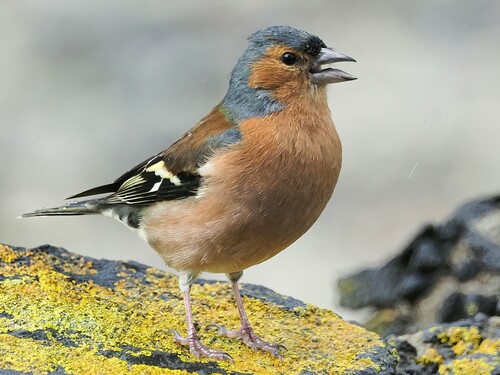 Fringuello
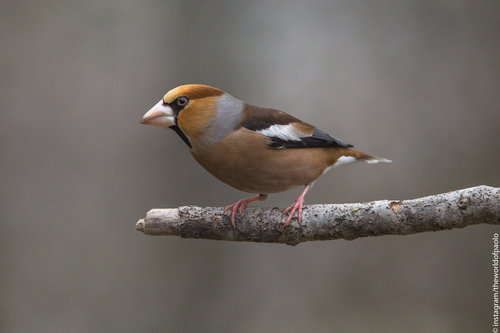 Frosone
In breve
Il segno distintivo più affidabile tra Fringuello e Frosone è il becco: il Frosone ha un becco massiccio, a forma di testa di toro e conico, mentre il becco del Fringuello è molto più snello e tipico dei piccoli fringillidi. In volo, il Frosone appare molto corto di coda e massiccio, con strisce bianche sulle ali e sulla punta della coda, mentre il Fringuello mostra due strisce bianche nette sulle ali e lati bianchi della coda, ma è più snello e con una coda più lunga. I maschi adulti di Fringuello sono colorati vivacemente con un cappello blu-grigio e parti inferiori ruggine, ma le femmine e i giovani sono molto più opachi e possono essere confusi con il Frosone a distanza. Entrambe le specie hanno del bianco nelle ali, ma il motivo e la struttura sono abbastanza diversi. Un'attenta attenzione alla dimensione del becco, alla forma della testa e alla silhouette in volo risolverà la maggior parte delle confusioni, specialmente in uccelli con piumaggio opaco o immaturi.
Consigli di identificazione
- Dimensione e forma del becco: Il Frosone ha un becco massiccio, a forma di testa di toro e conico, molto più grande e spesso rispetto al becco snello del Fringuello. Questa è la differenza strutturale più affidabile a qualsiasi distanza o angolo.
- Struttura della testa e del collo: Il Frosone appare con un collo massiccio e una testa grande, con una fronte ripida e un collo spesso; il Fringuello è più aerodinamico e con una testa piccola.
- Forma e lunghezza della coda: In volo, il Frosone appare molto corto di coda e compatto, mentre il Fringuello ha una coda più lunga e affusolata con lati bianchi evidenti.
- Motivo delle ali in volo: Il Fringuello (tutte le età) mostra due strisce bianche nette sulle ali e lati bianchi della coda; il Frosone ha una singola macchia bianca ampia sulle ali e una punta bianca della coda, con lati della coda meno evidenti.
- Piumaggio dei maschi adulti: I maschi di Fringuello sono inconfondibili con cappello blu-grigio, fronte nera e parti inferiori ruggine; il Frosone è di un marrone più uniforme con testa arancio e un collare/striscia oculare nera.
- Confusione tra femmine e giovani: Entrambi possono essere di un marrone opaco, ma il Fringuello mostra ancora due strisce bianche ordinate sulle ali e un becco più snello; il becco del Frosone è sempre spesso e la macchia delle ali è più squadrata.
- Silhouette in volo: Il Frosone è pesante, corto di coda e con una testa massiccia in volo; il Fringuello è più snello, lungo di coda e più agile.
- Colore delle gambe: Il Frosone ha gambe corte e rossastre; le gambe del Fringuello sono grigio-marroni, ma questo è raramente diagnostico sul campo.
- Colore del becco per stagione: Il becco del Frosone è nero in estate, più chiaro in inverno; il becco del Fringuello è grigio chiaro in inverno, bluastro in primavera, ma la dimensione del becco è un separatore molto migliore.
- Contesto dell'habitat: Nei giardini, nei terreni agricoli o in campagna aperta, aspettati di vedere il Fringuello; il Frosone si trova quasi sempre in boschi maturi o grandi parchi con alberi grandi.
- Comportamento: Il Fringuello è più attivo e spesso si trova a terra; il Frosone è più riservato, spesso in alto sugli alberi o appollaiato in silenzio.
- Vocalizzazioni: Il Fringuello emette un richiamo acuto 'pink' e un canto allegro; il richiamo del Frosone è un 'chick' duro, e il suo canto è silenzioso e raramente udito.
- Abbondanza relativa: Il Fringuello è comune e diffuso; il Frosone è scarso e locale nella maggior parte delle aree, quindi è meglio considerare il Fringuello a meno che tu non abbia prove solide per il Frosone.
- Fagotti misti: Se vedi un gruppo, specialmente a terra, sono quasi certamente Fringuelli; i Frisoni raramente formano grandi gruppi e sono più solitari.
- Quando hai dei dubbi: Concentrati prima sulla dimensione del becco e sulla forma della testa, poi controlla i motivi delle ali e della coda in volo. Se l'uccello appare con una testa massiccia e un becco grande, è un Frosone; se ha un becco snello e mostra due strisce bianche sulle ali, è un Fringuello.
Taglia
Il Frosone è sostanzialmente più grande e pesante del Fringuello. Il Fringuello pesa in media 22 g e misura circa 14,5 cm di lunghezza con un'apertura alare di 24,5–28,5 cm. Il Frosone è molto più robusto, pesando 46–70 g, con una lunghezza di 16,5–18 cm e un'apertura alare di 29–33 cm. Sul campo, il Frosone appare notevolmente più massiccio, con un collo spesso e una testa grande, mentre il Fringuello è più delicato e snello. La differenza di dimensioni è particolarmente evidente se entrambe le specie vengono viste insieme, ma può essere sottovalutata a distanza o senza un confronto diretto.
Piumaggio
- Giovani e femmine: Entrambe le specie hanno un piumaggio più opaco e marrone, ma i giovani e le femmine di Fringuello mostrano due chiare strisce bianche sulle ali e lati bianchi della coda, mentre il Frosone ha una singola macchia bianca forte sulle ali e una punta bianca della coda. Le strisce del Fringuello sono più lineari e nette, mentre la macchia del Frosone è più ampia e squadrata.
- Maschi adulti: I maschi di Fringuello sono colorati vivacemente con un cappello blu-grigio, fronte nera e parti inferiori ruggine, mentre il Frosone di entrambi i sessi è complessivamente marrone chiaro con una testa arancio-marrone, collare nero e striscia oculare, e una nuca grigia. Le ali del Frosone sono di un nero profondo sopra con strisce bianche, marroni e blu, ma l'effetto complessivo è più attenuato rispetto ai contrasti brillanti del Fringuello.
- Viste in volo: Il Fringuello mostra un profilo più snello e lungo di coda con due strisce bianche sulle ali e lati bianchi della coda; il Frosone appare corto di coda e con una testa massiccia, con una macchia bianca ampia sulle ali e una punta bianca della coda. Entrambi hanno del bianco nelle ali, ma la forma e la posizione sono diverse.
- Cambiamenti stagionali: I maschi di Fringuello diventano più brillanti in primavera man mano che le punte delle piume si consumano, mentre il colore del becco del Frosone cambia da chiaro in inverno a nero in estate, ma il piumaggio del corpo complessivo è simile tutto l'anno.
Comportamento
Il Fringuello è un uccello attivo e agile, spesso visto a nutrirsi a terra o a svolazzare tra alberi e cespugli, a volte in gruppi misti. Il Frosone è più riservato e di solito viene visto singolarmente o in piccoli gruppi, spesso in alto nella chioma degli alberi o appollaiato in silenzio. In volo, il Fringuello è rimbalzante e diretto, mentre il Frosone appare pesante, con battiti d'ali lenti e potenti e una coda notevolmente corta. I movimenti del Frosone sono più deliberati e meno irrequieti rispetto a quelli del Fringuello.
Habitat
Entrambe le specie possono trovarsi in boschi e parchi, ma il Fringuello è molto più diffuso e adattabile, trovato in una vasta gamma di habitat tra cui giardini, siepi e campagna aperta. Il Frosone è più specializzato, preferendo boschi decidui maturi o misti con alberi grandi, specialmente carpini, ed è meno probabile che venga visto in aree aperte o urbane. Se ti trovi in un giardino o in un terreno agricolo, è molto più probabile vedere un Fringuello; il Frosone è di solito limitato a zone ben alberate.
Voce
Il Fringuello ha un canto familiare e allegro e un richiamo acuto e metallico 'pink'. Il richiamo del Frosone è un 'chick' duro ed esplosivo, e il suo canto è silenzioso e mormorato, spesso passando inosservato. In gruppi misti o quando gli uccelli sono nascosti, la differenza nei richiami può essere utile: il richiamo del Fringuello è più acuto e più squillante, mentre quello del Frosone è più basso, più duro e più brusco.