

cia-africana vs escrevedeira-doméstica-do-levante
Emberiza tahapisi versus Emberiza striolata
Jogue um quiz com cia-africana e escrevedeira-doméstica-do-levante
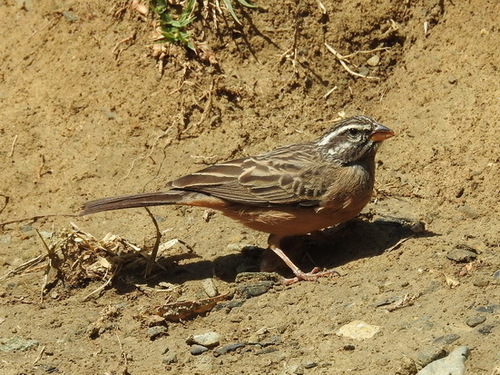 cia-africana
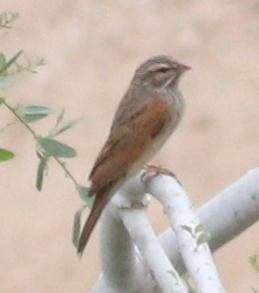 escrevedeira-doméstica-do-levante
Em resumo
A marca de campo mais confiável entre a cia-africana e a escrevedeira-doméstica-do-levante é a cor e o padrão das partes inferiores e da cabeça: a cia-africana apresenta partes inferiores de um rico tom canela e uma cabeça com listras marcantes (especialmente nos machos), enquanto a escrevedeira-doméstica-do-levante tem uma barriga mais clara e uma cabeça mais cinza, com listras mais difusas, um supercílio branco claro e uma faixa bigode. Os juvenis e fêmeas de ambas as espécies são mais apagados, mas os juvenis da cia-africana mantêm uma garganta mais clara e menos nítida. Ambas são semelhantes em tamanho e estrutura, então a atenção cuidadosa à coloração da cabeça e das partes inferiores é fundamental. A voz e o comportamento oferecem pistas secundárias, mas são menos distintas em campo.
Dicas de identificação
- Cor das Partes Inferiores: A cia-africana sempre apresenta partes inferiores de um rico tom canela, enquanto a escrevedeira-doméstica-do-levante tem uma barriga mais clara. Esta é a marca de campo mais confiável em todas as plumagens.
- Padrão da Cabeça (Machos): Os machos da cia-africana têm listras de cabeça pretas e brancas marcantes e uma mancha de garganta preta sólida. Os machos da escrevedeira-doméstica-do-levante têm uma cabeça cinza com listras escuras, um supercílio branco e uma faixa bigode, e não têm uma garganta preta sólida.
- Padrão da Cabeça (Fêmeas/Juvenis): As fêmeas e juvenis da cia-africana têm listras de cabeça mais marrons e menos nítidas e uma garganta mais clara, manchada ou canela. As fêmeas e juvenis da escrevedeira-doméstica-do-levante têm uma cabeça mais cinza com tons marrons, listras mais difusas e um supercílio/faixa bigode branca.
- Mancha de Garganta: Apenas os machos da cia-africana apresentam uma mancha de garganta preta sólida. Fêmeas e juvenis têm uma garganta menor, manchada ou clara. A escrevedeira-doméstica-do-levante nunca apresenta uma mancha de garganta preta sólida.
- Listras Faciais: A escrevedeira-doméstica-do-levante tem um supercílio e faixa bigode mais limpos e brancos, em contraste com uma cabeça mais cinza, enquanto as listras da cia-africana são mais marrons em fêmeas e juvenis.
- Contraste da Barriga: Na escrevedeira-doméstica-do-levante, a barriga é visivelmente mais clara do que os flancos e o peito castanhos; na cia-africana, a cor canela é mais uniforme nas partes inferiores.
- Canto: A cia-africana emite trilos rápidos e agudos que terminam em um assobio; o canto da escrevedeira-doméstica-do-levante é mais fraco, mais parecido com o do tentilhão comum e menos trinado. Use com cautela, a menos que esteja familiarizado com ambos.
- Comportamento: Ambas as espécies balançam a cauda, mas isso não é diagnóstico. Ambas cantam de poleiros e forrageiam no chão.
- Tamanho e Estrutura: Ambas são semelhantes em tamanho e forma; não confie no tamanho para separação.
- Visões em Voo: Nenhuma diferença distinta de padrão de asa superior ou de voo é descrita para qualquer uma das espécies; concentre-se na cor da cabeça e das partes inferiores se vistas em voo.
- Diferenças Sexuais: Os machos da cia-africana são marcados de forma mais impressionante do que as fêmeas; a escrevedeira-doméstica-do-levante apresenta menos dimorfismo sexual, mas os machos ainda são mais nítidos.
- Armadilhas para Juvenis: Os juvenis da cia-africana podem parecer apagados e podem ser confundidos com a escrevedeira-doméstica-do-levante, mas procure as listras de cabeça mais canela e a garganta mais clara e marron.
- Habitat: A sobreposição é possível; não use o habitat sozinho para identificação.
- Tamanho do Grupo: Ambas as espécies podem formar bandos, mas a cia-africana é mais frequentemente vista em pequenos grupos ou pares; isso não é diagnóstico.
- Abundância Local: Verifique os relatórios locais do eBird para abundância, mas não use como uma marca de campo primária.
Tamanho
Ambas as espécies são quase idênticas em tamanho, com a cia-africana pesando em média cerca de 14,8g e medindo de 13 a 15 cm de comprimento, e a escrevedeira-doméstica-do-levante com 14 cm. Não há diferença prática de tamanho em campo; a estrutura e a aparência também são semelhantes, com nenhuma das espécies apresentando uma cauda ou bico visivelmente mais longos.
Plumagem
- Juvenis e Fêmeas: Os juvenis e fêmeas da cia-africana têm listras de cabeça mais canela e claras e uma garganta mais clara e marron em comparação com os adultos. As listras da cabeça são menos nítidas e mais marrons do que nos machos. Em contraste, as fêmeas e juvenis da escrevedeira-doméstica-do-levante têm uma cabeça mais cinza com tons marrons e listras mais difusas, além de um supercílio e faixa bigode brancos que permanecem visíveis, mas menos marcantes do que nos machos.
- Machos Adultos: Os machos da cia-africana apresentam cabeças listradas de preto e branco e uma mancha de garganta preta uniforme, com partes inferiores de um rico tom canela. Os machos da escrevedeira-doméstica-do-levante têm uma cabeça cinza com listras escuras, um supercílio e faixa bigode brancos proeminentes, e um corpo castanho, mas uma barriga mais clara do que a da cia-africana.
- Partes Inferiores: A cia-africana é sempre mais rica em canela abaixo, enquanto a escrevedeira-doméstica-do-levante é mais clara na barriga, mesmo em machos em reprodução.
- Padrão da Cabeça: As listras da cabeça da cia-africana são mais ousadas e contrastantes nos machos, enquanto as listras faciais da escrevedeira-doméstica-do-levante (supercílio e faixa bigode) são mais limpas e brancas, em contraste com um fundo mais cinza.
- Garganta: Os machos da cia-africana têm uma mancha de garganta preta sólida; fêmeas e juvenis têm uma garganta menor, manchada ou mais clara. A escrevedeira-doméstica-do-levante não possui uma mancha de garganta preta sólida, apresentando em vez disso listras ou manchas.
Comportamento
Ambas as espécies são bunting que forrageiam no chão e podem ser vistas sozinhas, em pares ou pequenos grupos. A cia-africana é conhecida por balançar a cauda enquanto salta, o que é típico dos bunting do gênero Emberiza. Comportamentos de cortejo e agressão não são separáveis de forma confiável em campo. Ambas frequentemente cantam de poleiros elevados, como rochas ou arbustos.
Habitat
Ambas as espécies ocupam habitats secos, rochosos ou semiáridos, frequentemente com arbustos ou árvores dispersas. A cia-africana é amplamente distribuída na África subsaariana, enquanto a faixa da escrevedeira-doméstica-do-levante é mais ao norte e a leste (não detalhado nas notas fornecidas). A sobreposição de habitat é possível em algumas regiões, então o habitat sozinho não é diagnóstico.
Voz
A cia-africana emite trilos curtos, agudos e rápidos, com canções que terminam em um assobio característico. O canto da escrevedeira-doméstica-do-levante é semelhante, mas mais fraco do que o do tentilhão comum, e é emitido de um poleiro. Na prática, as canções de ambas as espécies são variáveis e nem sempre fáceis de separar pelo ouvido, mas a canção da cia-africana é geralmente mais rápida e mais trilhada.
cia-africana · escrevedeira-doméstica-do-levante · Minhas aves difíceis