

Motmot

ナナスジホオジロ 対 シマホオジロ

Emberiza tahapisi 対 Emberiza striolata

ナナスジホオジロとシマホオジロのクイズ
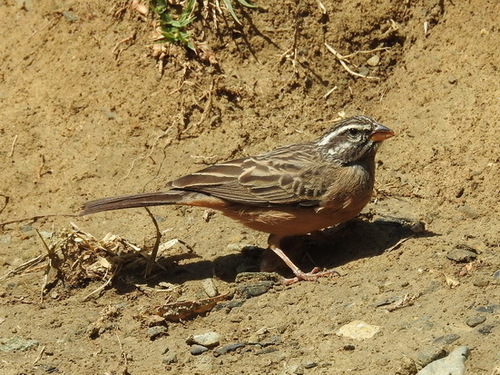
ナナスジホオジロ (Emberiza tahapisi) ナナスジホオジロ
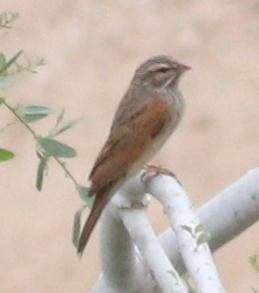
シマホオジロ (Emberiza striolata) シマホオジロ

メディア

読み込み中…

要点

ナナスジホオジロとシマホオジロの最も信頼できるフィールドマークは、腹部と頭部の色とパターンです:ナナスジホオジロは豊かなシナモン色の腹部と大胆にストライプされた頭部(特にオスで)を示し、一方シマホオジロはより淡い腹部と灰色でよりストリークのある頭部を持ち、明確な白いスーペルシリウムと口ひげストライプがあります。両種の幼鳥と雌はより鈍いですが、ナナスジホオジロの幼鳥はよりバフ色で淡い喉と、より鮮明でない頭部のストライプを保持しています。両者はサイズと構造が似ているため、頭部と腹部の色彩に注意を払うことが重要です。声と行動は二次的な手がかりを提供しますが、フィールドではあまり特徴的ではありません。

識別のコツ

  1. Underpart Color: ナナスジホオジロは常に豊かなシナモン色の腹部を示し、シマホオジロはより淡い腹部を持っています。これはすべての羽色において最も信頼できるフィールドマークです。
  2. Head Pattern (Males): ナナスジホオジロのオスは大胆な黒と白の頭部ストライプと、固体の黒い喉のパッチを持っています。シマホオジロのオスは暗いストリークのある灰色の頭を持ち、白いスーペルシリウムと口ひげストライプがあり、固体の黒い喉はありません。
  3. Head Pattern (Females/Juveniles): ナナスジホオジロの雌と幼鳥はより茶色がかり、鮮明でない頭部ストライプと、より淡い、斑点のあるまたはバフ色の喉を持っています。シマホオジロの雌と幼鳥はより灰色の頭を持ち、茶色がかったトーン、より拡散したストリーク、そして白いスーペルシリウム/口ひげストライプがあります。
  4. Throat Patch: ナナスジホオジロのオスのみが固体の黒い喉のパッチを示します。雌と幼鳥はより小さく、斑点のあるまたは淡い喉を持っています。シマホオジロは決して固体の黒い喉のパッチを示しません。
  5. Facial Stripes: シマホオジロはよりクリーンで白いスーペルシリウムと口ひげストライプを持ち、灰色の頭に対して設定されていますが、ナナスジホオジロのストライプは雌と幼鳥ではより茶色がかっています。
  6. Belly Contrast: シマホオジロでは、腹部は栗色の側面と胸よりも明らかに淡いです;ナナスジホオジロでは、シナモン色は腹部全体でより均一です。
  7. Song: ナナスジホオジロは急速で高音のトリルを出し、笛で終わります;シマホオジロの歌は弱く、よりチョウゲンボウのようで、トリルが少ないです。両者に慣れていない限り、注意して使用してください。
  8. Behavior: 両種は尾を振りますが、これは診断的ではありません。両者は止まり木から歌い、地面で餌を探します。
  9. Size and Structure: 両者はサイズと形が似ているため、サイズに頼って分けないでください。
  10. Flight Views: どちらの種についても、特徴的な上翼や飛行パターンの違いは記述されていません;飛行中に見られた場合は、頭部と腹部の色に焦点を当ててください。
  11. Sex Differences: オスのナナスジホオジロは雌よりも目立つマーキングを持っています;シマホオジロは性的二形性が少ないですが、オスは依然としてより鮮明にマーキングされています。
  12. Juvenile Pitfalls: 幼鳥のナナスジホオジロは鈍く見えることがあり、シマホオジロと混同されることがありますが、よりバフ色の頭部ストライプと淡い茶色の喉を探してください。
  13. Habitat: 重複が可能です;識別には生息地だけを使用しないでください。
  14. Group Size: 両種は群れを作ることがありますが、ナナスジホオジロはより小さな群れやペアで見られることが多いです;これは診断的ではありません。
  15. Local Abundance: 地元のeBirdレポートで豊富さを確認してくださいが、主要なフィールドマークとして使用しないでください。

大きさ

両種はサイズがほぼ同じで、ナナスジホオジロは平均約14.8g、長さは13〜15 cmで、シマホオジロは14 cmです。フィールドでの実用的なサイズの違いはなく、構造とジズも似ており、どちらの種も明らかに長い尾やくちばしを示しません。

羽色

行動

両種は地面で餌を探すホオジロで、単独、ペア、または小さな群れで見られることがあります。ナナスジホオジロは跳ねながら尾を振ることで知られており、これはエンベリザホオジロに典型的です。求愛行動と攻撃行動はフィールドで確実に分けることができません。両者はしばしば岩や茂みなどの高い止まり木から歌います。

生息環境

両種は乾燥した岩の多いまたは半乾燥の生息地を占め、しばしば散在する茂みや木があります。ナナスジホオジロはサハラ以南のアフリカに広く分布していますが、シマホオジロの範囲は北と東により多く(提供されたノートには詳細がありません)。いくつかの地域では生息地の重複が可能であるため、生息地だけでは診断的ではありません。

声

ナナスジホオジロは短く、高音で急速なトリルを出し、歌は特徴的な最後の笛で終わります。シマホオジロの歌は一般的なチョウゲンボウのものに似ていますが、より弱く、止まり木から発声されます。実際には、両種の歌は変動があり、耳で分けるのが常に容易ではありませんが、ナナスジホオジロの歌は一般的により速く、よりトリルが多いです。

より良い説明を送る

比較と同じ項目を使ってください。文章はすぐに公開されます。

The most reliable field mark between Cinnamon-breasted Bunting and Striolated Bunting is the color and pattern of the underparts and head: Cinnamon-breasted Bunting shows rich cinnamon underparts and a boldly striped head (especially in males), while Striolated Bunting has a paler belly and a greyer, more streaked head with a clear white supercilium and moustachial stripe. Juveniles and females of both species are duller, but Cinnamon-breasted Bunting juveniles retain a buffier, paler throat and less crisp head stripes. Both are similar in size and structure, so careful attention to head and underpart coloration is key. Voice and behavior offer secondary clues but are less distinctive in the field.

  1. Underpart Color: Cinnamon-breasted Bunting always shows rich cinnamon brown underparts, while Striolated Bunting has a paler belly. This is the most reliable field mark in all plumages.
  2. Head Pattern (Males): Cinnamon-breasted Bunting males have bold black and white head stripes and a solid black throat patch. Striolated Bunting males have a grey head with dark streaks, a white supercilium and moustachial stripe, and no solid black throat.
  3. Head Pattern (Females/Juveniles): Cinnamon-breasted Bunting females and juveniles have browner, less crisp head stripes and a paler, blotched or buffy throat. Striolated Bunting females and juveniles have a greyer head with brownish tones, more diffused streaking, and a white supercilium/moustachial stripe.
  4. Throat Patch: Only Cinnamon-breasted Bunting males show a solid black throat patch. Females and juveniles have a smaller, blotched, or pale throat. Striolated Bunting never shows a solid black throat patch.
  5. Facial Stripes: Striolated Bunting has a cleaner, whiter supercilium and moustachial stripe, set against a greyer head, while Cinnamon-breasted Bunting's stripes are more brownish in females and juveniles.
  6. Belly Contrast: In Striolated Bunting, the belly is noticeably paler than the chestnut flanks and breast; in Cinnamon-breasted Bunting, the cinnamon color is more uniform across the underparts.
  7. Song: Cinnamon-breasted Bunting gives rapid, high-pitched trills ending in a whistle; Striolated Bunting's song is weaker, more chaffinch-like, and less trilled. Use with caution unless familiar with both.
  8. Behavior: Both species flick the tail, but this is not diagnostic. Both sing from perches and forage on the ground.
  9. Size and Structure: Both are similar in size and shape; do not rely on size for separation.
  10. Flight Views: No distinctive upperwing or flight pattern differences are described for either species; focus on head and underpart color if seen in flight.
  11. Sex Differences: Male Cinnamon-breasted Buntings are more strikingly marked than females; Striolated Bunting shows less sexual dimorphism but males are still more crisply marked.
  12. Juvenile Pitfalls: Juvenile Cinnamon-breasted Buntings can appear dull and may be confused with Striolated Bunting, but look for the buffier head stripes and paler, browner throat.
  13. Habitat: Overlap is possible; do not use habitat alone for identification.
  14. Group Size: Both species may flock, but Cinnamon-breasted Bunting is more often seen in small groups or pairs; this is not diagnostic.
  15. Local Abundance: Check local eBird reports for abundance, but do not use as a primary field mark.

Both species are nearly identical in size, with Cinnamon-breasted Bunting averaging about 14.8g and 13–15 cm in length, and Striolated Bunting at 14 cm. There is no practical size difference in the field; structure and jizz are also similar, with neither species showing a distinctly longer tail or bill.

  • Juveniles and Females: Cinnamon-breasted Bunting juveniles and females have buffier, paler head stripes and a paler, browner throat compared to adults. The head stripes are less crisp and more brownish than in males. In contrast, Striolated Bunting females and juveniles have a greyer head with brownish tones and more diffused streaking, plus a white supercilium and moustachial stripe that remains visible but less bold than in males.
  • Adult Males: Cinnamon-breasted Bunting males show black and white striped heads and a uniform black throat patch, with rich cinnamon brown underparts. Striolated Bunting males have a grey head with dark streaks, a prominent white supercilium and moustachial stripe, and a chestnut body but a paler belly than Cinnamon-breasted Bunting.
  • Underparts: Cinnamon-breasted Bunting is always more richly cinnamon below, while Striolated Bunting is paler on the belly, even in breeding males.
  • Head Pattern: Cinnamon-breasted Bunting's head stripes are bolder and more contrasting in males, while Striolated Bunting's facial stripes (supercilium and moustachial) are cleaner and whiter, set against a greyer background.
  • Throat: Cinnamon-breasted Bunting males have a solid black throat patch; females and juveniles have a smaller, blotched, or paler throat. Striolated Bunting lacks a solid black throat patch, instead showing streaking or mottling.

Both species are ground-foraging buntings that may be seen singly, in pairs, or small groups. Cinnamon-breasted Bunting is noted for tail-flicking while hopping, which is typical for Emberiza buntings. Courtship and aggression behaviors are not reliably separable in the field. Both often sing from elevated perches such as rocks or bushes.

Both species occupy dry, rocky, or semi-arid habitats, often with scattered bushes or trees. Cinnamon-breasted Bunting is widespread in sub-Saharan Africa, while Striolated Bunting's range is more to the north and east (not detailed in the provided notes). Habitat overlap is possible in some regions, so habitat alone is not diagnostic.

Cinnamon-breasted Bunting gives short, high-pitched, rapid trills, with songs ending in a characteristic final whistle. Striolated Bunting's song is similar to but weaker than that of the common chaffinch, and is delivered from a perch. In practice, both species' songs are variable and not always easy to separate by ear, but Cinnamon-breasted Bunting's song is generally faster and more trilled.

変更を破棄しますか?

保存していない編集があります。今離れると失われます。

ナナスジホオジロ · シマホオジロ · 苦手な鳥