

Zevenstrepengors vs Gestreepte gors
Emberiza tahapisi versus Emberiza striolata
Speel een quiz met Zevenstrepengors en Gestreepte gors
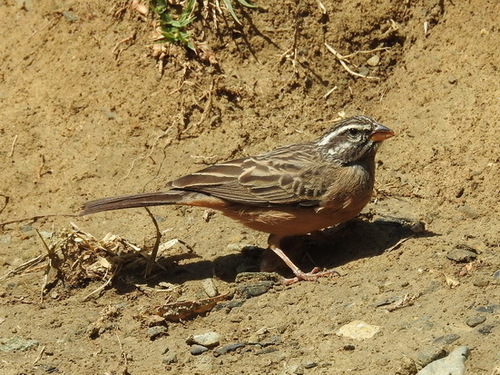 Zevenstrepengors
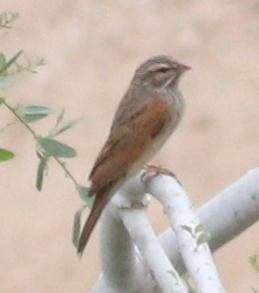 Gestreepte gors
Kort gezegd
Het meest betrouwbare veldkenmerk tussen Zevenstrepengors en Gestreepte gors is de kleur en het patroon van de onderdelen en het hoofd: Zevenstrepengors toont rijke kaneelbruine onderdelen en een gedurfd gestreept hoofd (vooral bij mannetjes), terwijl Gestreepte gors een blekere buik en een grijzere, meer gestreepte kop heeft met een duidelijke witte supercilium en snorstrepen. Juvenielen en vrouwtjes van beide soorten zijn doffer, maar juveniele Zevenstrepengors behouden een lichtere, blekere keel en minder scherpe kopstrepen. Beide zijn vergelijkbaar in grootte en structuur, dus zorgvuldige aandacht voor de kleur van het hoofd en de onderdelen is essentieel. Stem en gedrag bieden secundaire aanwijzingen, maar zijn minder onderscheidend in het veld.
Herkenningstips
- Kleur van de Onderdelen: Zevenstrepengors toont altijd rijke kaneelbruine onderdelen, terwijl Gestreepte gors een blekere buik heeft. Dit is het meest betrouwbare veldkenmerk in alle verenkleed.
- Hoofdpatroon (Mannetjes): Mannetjes Zevenstrepengors hebben gedurfde zwart-witte kopstrepen en een uniforme zwarte keelvlek. Mannetjes Gestreepte gors hebben een grijze kop met donkere strepen, een witte supercilium en snorstrepen, en geen uniforme zwarte keel.
- Hoofdpatroon (Vrouwtjes/Juvenielen): Vrouwtjes en juvenielen Zevenstrepengors hebben bruiner, minder scherpe kopstrepen en een blekere, gevlekte of kaneelachtige keel. Vrouwtjes en juvenielen Gestreepte gors hebben een grijzere kop met bruinachtige tinten, meer diffuse strepen, en een witte supercilium/snorstreep.
- Keelvlek: Alleen mannetjes Zevenstrepengors tonen een uniforme zwarte keelvlek. Vrouwtjes en juvenielen hebben een kleinere, gevlekte of blekere keel. Gestreepte gors toont nooit een uniforme zwarte keelvlek.
- Gezichtstrepen: Gestreepte gors heeft een schonere, wittere supercilium en snorstrepen, tegen een grijzere kop, terwijl de strepen van Zevenstrepengors bruiner zijn bij vrouwtjes en juvenielen.
- Buikcontrast: Bij Gestreepte gors is de buik merkbaar bleker dan de kastanjebruine flanken en borst; bij Zevenstrepengors is de kaneelkleur meer uniform over de onderdelen.
- Zang: Zevenstrepengors geeft snelle, hoge trillers die eindigen in een fluit; de zang van Gestreepte gors is zwakker, meer vinkachtig, en minder getril. Gebruik met voorzichtigheid tenzij bekend met beide.
- Gedrag: Beide soorten flicken de staart, maar dit is niet diagnostisch. Beide zingen vanuit zitplaatsen en foerageren op de grond.
- Grootte en Structuur: Beide zijn vergelijkbaar in grootte en vorm; vertrouw niet op grootte voor scheiding.
- Vluchtzicht: Er zijn geen onderscheidende verschillen in bovenvleugel of vluchtpatroon beschreven voor beide soorten; focus op de kleur van het hoofd en de onderdelen als ze in vlucht worden gezien.
- Geslachtsverschillen: Mannetjes Zevenstrepengors zijn opvallender gemarkeerd dan vrouwtjes; Gestreepte gors toont minder seksuele dimorfie, maar mannetjes zijn nog steeds scherper gemarkeerd.
- Juveniele Valstrikken: Juveniele Zevenstrepengors kunnen dof lijken en kunnen worden verward met Gestreepte gors, maar let op de lichtere kopstrepen en blekere, bruine keel.
- Habitat: Overlap is mogelijk; gebruik habitat niet alleen voor identificatie.
- Groepsgrootte: Beide soorten kunnen in groepen voorkomen, maar Zevenstrepengors wordt vaker gezien in kleine groepen of paren; dit is niet diagnostisch.
- Lokale Overvloed: Controleer lokale eBird-rapporten voor overvloed, maar gebruik dit niet als een primair veldkenmerk.
Grootte
Beide soorten zijn bijna identiek in grootte, met Zevenstrepengors die gemiddeld ongeveer 14,8g weegt en 13–15 cm lang is, en Gestreepte gors met een lengte van 14 cm. Er is geen praktisch formaatverschil in het veld; structuur en jizz zijn ook vergelijkbaar, zonder dat een van beide soorten een duidelijk langere staart of snavel vertoont.
Verenkleed
- Juvenielen en Vrouwtjes: Juveniele en vrouwelijke Zevenstrepengors hebben lichtere, blekere kopstrepen en een blekere, bruine keel in vergelijking met volwassenen. De kopstrepen zijn minder scherp en meer bruinachtig dan bij mannetjes. In tegenstelling hiermee hebben vrouwelijke en juveniele Gestreepte gors een grijzere kop met bruinachtige tinten en meer diffuse strepen, plus een witte supercilium en snorstrepen die zichtbaar blijven maar minder gedurfd zijn dan bij mannetjes.
- Volwassen Mannetjes: Mannetjes Zevenstrepengors tonen zwart-witte gestreepte koppen en een uniforme zwarte keelvlek, met rijke kaneelbruine onderdelen. Mannetjes Gestreepte gors hebben een grijze kop met donkere strepen, een prominente witte supercilium en snorstrepen, en een kastanjebruin lichaam maar een blekere buik dan Zevenstrepengors.
- Onderdelen: Zevenstrepengors is altijd rijker kaneelbruin onder, terwijl Gestreepte gors bleker is op de buik, zelfs bij broedende mannetjes.
- Hoofdpatroon: De kopstrepen van Zevenstrepengors zijn gedurfder en contrasterender bij mannetjes, terwijl de gezichtstrepen (supercilium en snorstrepen) van Gestreepte gors schoner en witter zijn, tegen een grijzere achtergrond.
- Keel: Mannetjes Zevenstrepengors hebben een uniforme zwarte keelvlek; vrouwtjes en juvenielen hebben een kleinere, gevlekte of blekere keel. Gestreepte gors mist een uniforme zwarte keelvlek, en toont in plaats daarvan strepen of vlekken.
Gedrag
Beide soorten zijn grondfoeragerende gorsen die alleen, in paren of kleine groepen kunnen worden gezien. Zevenstrepengors staat bekend om het flicken van de staart tijdens het hoppen, wat typisch is voor Emberiza-gorsen. Hofmakerij- en agressiegedragingen zijn niet betrouwbaar te scheiden in het veld. Beide zingen vaak vanuit verhoogde zitplaatsen zoals rotsen of struiken.
Habitat
Beide soorten bezetten droge, rotsachtige of semi-aride habitats, vaak met verspreide struiken of bomen. Zevenstrepengors is wijdverspreid in sub-Sahara Afrika, terwijl het bereik van Gestreepte gors meer naar het noorden en oosten ligt (niet gedetailleerd in de verstrekte aantekeningen). Habitatoverlap is mogelijk in sommige regio's, dus habitat alleen is niet diagnostisch.
Geluid
Zevenstrepengors geeft korte, hoge, snelle trillers, met zang die eindigt in een kenmerkende laatste fluit. De zang van Gestreepte gors is vergelijkbaar maar zwakker dan die van de gewone vink, en wordt geleverd vanuit een zitplaats. In de praktijk zijn de zang van beide soorten variabel en niet altijd gemakkelijk te scheiden op gehoor, maar de zang van Zevenstrepengors is over het algemeen sneller en meer getril.