

Cinnamon-breasted Bunting vs Striolated Bunting
Emberiza tahapisi contro Emberiza striolata
Fai un quiz con Cinnamon-breasted Bunting e Striolated Bunting
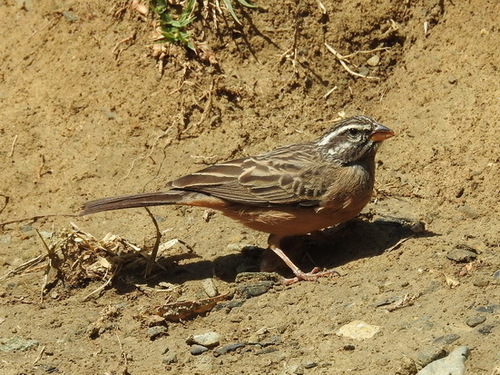 Cinnamon-breasted Bunting
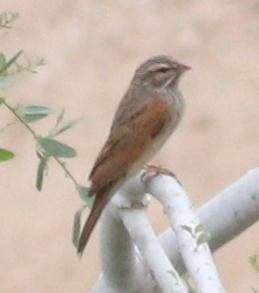 Striolated Bunting
In breve
Il segno di campo più affidabile tra il Cinnamon-breasted Bunting e lo Striolated Bunting è il colore e il motivo delle parti inferiori e della testa: il Cinnamon-breasted Bunting mostra parti inferiori di un ricco colore cannella e una testa audacemente striata (specialmente nei maschi), mentre lo Striolated Bunting ha una pancia più chiara e una testa grigia, più striata, con un chiaro sopracciglio bianco e una striscia moustachiale. I giovani e le femmine di entrambe le specie sono più opachi, ma i giovani del Cinnamon-breasted Bunting mantengono una gola più chiara e meno definita. Entrambi sono simili in dimensioni e struttura, quindi prestare attenzione al colore della testa e delle parti inferiori è fondamentale. La voce e il comportamento offrono indizi secondari ma sono meno distintivi sul campo.
Consigli di identificazione
- Colore delle Parti Inferiori: Il Cinnamon-breasted Bunting mostra sempre parti inferiori di un ricco colore marrone cannella, mentre lo Striolated Bunting ha una pancia più chiara. Questo è il segno di campo più affidabile in tutte le livree.
- Motivo della Testa (Maschi): I maschi del Cinnamon-breasted Bunting hanno audaci strisce nere e bianche sulla testa e una macchia di gola nera uniforme. I maschi dello Striolated Bunting hanno una testa grigia con striature scure, un sopracciglio bianco e una striscia moustachiale, e non hanno una gola nera uniforme.
- Motivo della Testa (Femmine/Giovani): Le femmine e i giovani del Cinnamon-breasted Bunting hanno strisce sulla testa più marroni e meno definite e una gola più chiara, macchiata o color cannella. Le femmine e i giovani dello Striolated Bunting hanno una testa più grigia con toni marroni, striature più diffuse e un sopracciglio/striscia moustachiale bianca.
- Macchia di Gola: Solo i maschi del Cinnamon-breasted Bunting mostrano una macchia di gola nera uniforme. Le femmine e i giovani hanno una gola più piccola, macchiata o chiara. Lo Striolated Bunting non mostra mai una macchia di gola nera uniforme.
- Strisce Facciali: Lo Striolated Bunting ha un sopracciglio e una striscia moustachiale più puliti e bianchi, impostati su una testa più grigia, mentre le strisce del Cinnamon-breasted Bunting sono più marroni nelle femmine e nei giovani.
- Contrasto della Pancia: Nello Striolated Bunting, la pancia è visibilmente più chiara rispetto ai fianchi e al petto color castagna; nel Cinnamon-breasted Bunting, il colore cannella è più uniforme sulle parti inferiori.
- Canto: Il Cinnamon-breasted Bunting emette trilli rapidi e acuti che terminano in un fischio; il canto dello Striolated Bunting è più debole, più simile a quello del fringuello comune, e meno trillato. Usare con cautela a meno che non si sia familiari con entrambi.
- Comportamento: Entrambe le specie muovono la coda, ma questo non è diagnostico. Entrambi cantano da posatoi e cercano cibo a terra.
- Dimensioni e Struttura: Entrambi sono simili in dimensioni e forma; non fare affidamento sulla dimensione per la separazione.
- Viste in Volo: Non sono descritte differenze distintive nel modello di volo o nelle ali superiori per nessuna delle due specie; concentrarsi sul colore della testa e delle parti inferiori se viste in volo.
- Differenze Sessuali: I maschi del Cinnamon-breasted Bunting sono più marcati rispetto alle femmine; lo Striolated Bunting mostra meno dimorfismo sessuale ma i maschi sono comunque più marcati.
- Trappole per i Giovani: I giovani del Cinnamon-breasted Bunting possono apparire opachi e possono essere confusi con lo Striolated Bunting, ma cercare le strisce della testa più chiare e la gola più pallida e marrone.
- Habitat: È possibile una sovrapposizione; non usare l'habitat da solo per l'identificazione.
- Dimensione del Gruppo: Entrambe le specie possono formare stormi, ma il Cinnamon-breasted Bunting è più spesso visto in piccoli gruppi o coppie; questo non è diagnostico.
- Abbondanza Locale: Controllare i rapporti locali di eBird per l'abbondanza, ma non usarlo come segno di campo primario.
Taglia
Entrambe le specie sono quasi identiche in dimensioni, con il Cinnamon-breasted Bunting che pesa in media circa 14.8g e misura 13–15 cm di lunghezza, e lo Striolated Bunting a 14 cm. Non c'è una differenza di dimensioni pratica sul campo; la struttura e l'aspetto sono anche simili, senza che nessuna delle due specie mostri una coda o un becco visibilmente più lunghi.
Piumaggio
- Giovani e Femmine: I giovani e le femmine del Cinnamon-breasted Bunting hanno strisce sulla testa più chiare e pallide e una gola più chiara e marrone rispetto agli adulti. Le strisce sulla testa sono meno definite e più marroni rispetto ai maschi. Al contrario, le femmine e i giovani dello Striolated Bunting hanno una testa più grigia con toni marroni e striature più diffuse, oltre a un sopracciglio e una striscia moustachiale bianchi che rimangono visibili ma meno audaci rispetto ai maschi.
- Maschi Adulti: I maschi del Cinnamon-breasted Bunting mostrano teste striate di nero e bianco e una macchia di gola nera uniforme, con parti inferiori di un ricco colore marrone cannella. I maschi dello Striolated Bunting hanno una testa grigia con striature scure, un prominente sopracciglio bianco e una striscia moustachiale, e un corpo castano ma una pancia più chiara rispetto al Cinnamon-breasted Bunting.
- Parti Inferiori: Il Cinnamon-breasted Bunting è sempre più riccamente cannella sotto, mentre lo Striolated Bunting è più chiaro sulla pancia, anche nei maschi in riproduzione.
- Motivo della Testa: Le strisce sulla testa del Cinnamon-breasted Bunting sono più audaci e più contrastanti nei maschi, mentre le strisce facciali dello Striolated Bunting (sopracciglio e moustachiale) sono più pulite e bianche, impostate su uno sfondo più grigio.
- Gola: I maschi del Cinnamon-breasted Bunting hanno una macchia di gola nera uniforme; le femmine e i giovani hanno una gola più piccola, macchiata o più chiara. Lo Striolated Bunting non ha una macchia di gola nera uniforme, mostrando invece striature o macchie.
Comportamento
Entrambe le specie sono bunting che cercano cibo a terra e possono essere viste singolarmente, in coppie o in piccoli gruppi. Il Cinnamon-breasted Bunting è noto per il movimento della coda mentre salta, che è tipico per i bunting del genere Emberiza. I comportamenti di corteggiamento e aggressione non sono separabili in modo affidabile sul campo. Entrambi cantano spesso da posatoi elevati come rocce o cespugli.
Habitat
Entrambe le specie occupano habitat asciutti, rocciosi o semi-aridi, spesso con cespugli o alberi sparsi. Il Cinnamon-breasted Bunting è diffuso nell'Africa sub-sahariana, mentre l'areale dello Striolated Bunting è più a nord e a est (non dettagliato nelle note fornite). È possibile una sovrapposizione degli habitat in alcune regioni, quindi l'habitat da solo non è diagnostico.
Voce
Il Cinnamon-breasted Bunting emette trilli brevi, acuti e rapidi, con canti che terminano in un caratteristico fischio finale. Il canto dello Striolated Bunting è simile ma più debole rispetto a quello del fringuello comune, ed è emesso da un posatoio. In pratica, i canti di entrambe le specie sono variabili e non sempre facili da separare all'orecchio, ma il canto del Cinnamon-breasted Bunting è generalmente più veloce e più trillato.
Cinnamon-breasted Bunting · Striolated Bunting · I miei uccelli difficili