

joão-grilo vs petrim
Synallaxis hypospodia versus Synallaxis frontalis
Jogue um quiz com joão-grilo e petrim
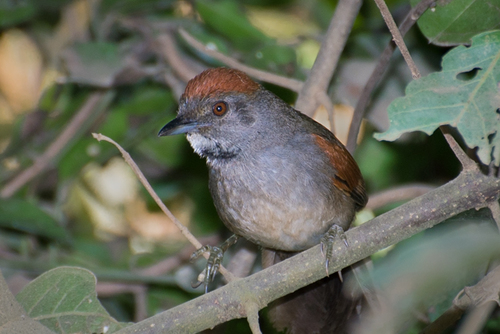 joão-grilo
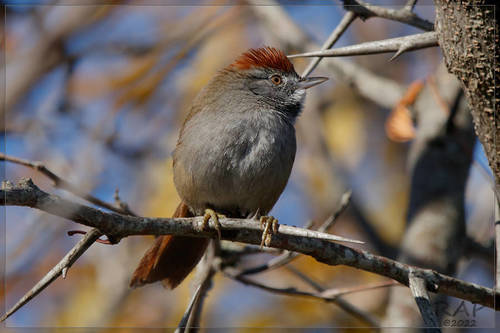 petrim
Em resumo
A marca de campo mais confiável entre o joão-grilo e o petrim é a cor e a forma da cauda e o padrão da garganta e do peito, especialmente em adultos. Ambas as espécies têm tamanhos semelhantes e compartilham uma paleta geralmente rufo-marrom e cinza, mas o joão-grilo tem uma cauda marrom mais escura e arredondada e um peito distintamente cinza-ash (cinereous), enquanto o petrim apresenta uma cauda mais rufo com pontas pontiagudas e uma garganta mais cinza com um crescente escuro. Os juvenis são melhor separados pela cor da parte inferior e pelo padrão da garganta, mas cuidado, pois ambos podem parecer desbotados. A sobreposição de habitat é significativa, mas o petrim é mais provável no sul da América do Sul e em bordas de floresta ou arbustos espinhosos, enquanto o joão-grilo está ligado a habitats mais úmidos, muitas vezes mais abertos, perto da água. A voz é útil se ouvida bem: o joão-grilo emite um chacoalhar apressado e acelerado, enquanto o petrim produz frases mais lentas e agudas de duas notas.
Dicas de identificação
- Cor e forma da cauda: O joão-grilo tem uma cauda marrom mais escura com pontas arredondadas, enquanto a cauda do petrim é rufo escuro com pontas pontiagudas e teias internas mais escuras nas penas mais internas. Isso é melhor visto quando o pássaro abre ou agita a cauda.
- Contraste do peito e da barriga: O joão-grilo apresenta um peito distintamente cinza-ash (cinereous) que contrasta nitidamente com uma barriga esbranquiçada; o peito do petrim é marrom acinzentado, com a barriga apenas ligeiramente mais clara e os flancos/parte inferior mais marrons. Procure por esse contraste em boa luz.
- Padrão da garganta: O joão-grilo adulto tem um queixo/garganta principalmente esbranquiçado com uma mancha escura contornada de branco na parte inferior da garganta; o petrim tem uma garganta mais cinza com um crescente escuro e manchas pálidas. O crescente da garganta é geralmente mais nítido no petrim.
- Supercílios e linha do olho: O joão-grilo apresenta um supercílios cinza fraco e um rosto cinza-marrom simples, enquanto o petrim tem uma linha do olho marrom fina, mas não possui um supercílios forte. Isso é sutil e pode ser perdido em luz fraca.
- Cor da coroa e da nuca: A coroa e a nuca do joão-grilo são rufo-castanhas, contrastando com uma forecrown cinza-marrom escura; a hindcrown/nuca do petrim é rufo escuro, com uma forecrown cinza-marrom escura, mas menos contraste geral.
- Coberturas das asas e penas de voo: Ambas têm tons rufo, mas as coberturas das asas do joão-grilo são rufo-castanhas com penas de voo marrons escuras com bordas rufo, enquanto as coberturas do petrim são rufo escuro e as penas de voo são rufo-tawny com pontas escuras. Em voo, procure pelo calor e contraste geral.
- Partes inferiores juvenis: O juvenil do joão-grilo é mais marrom argiloso embaixo com uma mancha de garganta menos distinta; o juvenil do petrim é lavado de ocre, mas geralmente retém um leve crescente escuro na garganta inferior. Isso é sutil, mas pode ajudar em jovens pássaros com plumagem fresca.
- Graduação da cauda: Ambos têm caudas graduadas, mas as penas da cauda do joão-grilo são mais arredondadas, enquanto as do petrim são mais pontiagudas.
- Cor do bico e das pernas: Não é diagnosticável de forma confiável em campo, pois ambos têm bicos escuros e pernas de oliva a acinzentadas, com alguma variação individual.
- Contexto do habitat: Se vistos em gramados abertos e úmidos ou perto da água, especialmente na Amazônia central ou ocidental, o joão-grilo é mais provável. No sul da América do Sul, em arbustos espinhosos, bordas de florestas ou áreas desmatadas, o petrim é mais provável.
- Vocalizações: Se você ouvir um chacoalhar apressado e acelerado, suspeite do joão-grilo; se a canção for uma frase lenta e alta de duas notas, o petrim é mais provável. Chamadas são menos distintas, mas podem ajudar com a experiência.
- Distribuição geográfica: No Peru e na Amazônia ocidental, apenas o joão-grilo ocorre. Na Argentina, Uruguai e sul do Brasil, apenas o petrim é esperado. Na Bolívia, Brasil e Paraguai, ambos podem ocorrer—use plumagem e voz.
- Variação clinal: O petrim apresenta alguma variação regional, sendo mais brilhante no nordeste e mais opaco no sudoeste, mas isso não se sobrepõe aos tons mais uniformes e escuros do joão-grilo.
- Emparelhamento e comportamento: Ambas as espécies são geralmente vistas em pares, forrageando baixo em coberturas densas. O comportamento não é um separador forte.
- Armadilhas: Cuidado com pássaros desgastados ou em muda, pois ambos podem parecer mais opacos e perder contraste na garganta e no peito. Os juvenis de ambos são menos distintos, então confie em diferenças sutis na cor da parte inferior e no padrão da garganta.
Tamanho
Ambas as espécies são muito próximas em tamanho, com o joão-grilo medindo 15–16 cm e 15–18 g, e o petrim medindo 14–16 cm e 11–17 g [wikipedia]. Na mão ou a curta distância, o joão-grilo pode parecer ligeiramente mais pesado, mas isso é sutil e não é uma marca de campo confiável. Ambas têm proporções e estrutura semelhantes, então o tamanho sozinho não é diagnóstico.
Plumagem
- Juvenis: Ambas as espécies têm coroas mais opacas e marrons e partes inferiores lavadas de ocre, mas os juvenis do joão-grilo têm uma mancha de garganta menos distinta e são mais marrons argilosos embaixo, enquanto os juvenis do petrim apresentam uma coroa cinza acastanhada e lavagem ocre, mas retêm um leve crescente escuro na garganta inferior. Em ambos, o padrão da garganta é menos nítido do que em adultos, mas a presença ou ausência de um crescente de garganta distinto é útil.
- Adultos: O joão-grilo apresenta um supercílios cinza fraco, forecrown cinza-marrom escura, coroa e nuca rufo-castanhas, costas marrons escuras, coberturas de asas rufo-castanhas e uma cauda marrom mais escura e arredondada. O queixo e a garganta são principalmente esbranquiçados com uma mancha escura contornada de branco na parte inferior da garganta, e o peito é cinza-ash (cinereous), contrastando com uma barriga esbranquiçada. Os adultos do petrim têm uma linha do olho marrom fina, forecrown cinza-marrom escura, hindcrown/nuca rufo escuro, costas marrons com um tom rufo, coberturas de asas rufo escuro, penas de voo rufo-tawny com pontas escuras, e uma cauda rufo escura com pontas pontiagudas e teias internas mais escuras na par mais interna. O queixo é esbranquiçado, a garganta é mais cinza com um crescente escuro e manchas pálidas, e o peito é marrom acinzentado, com barriga mais clara e flancos/parte inferior mais marrons.
Comportamento
Ambas as espécies forrageiam baixo (1–2 m) em vegetação densa, geralmente em pares, coletando artrópodes da folhagem e ramos. Nenhuma é particularmente conspícua, e ambas podem ser difíceis de observar por longos períodos. O petrim pode ser mais adaptável, às vezes se estendendo a áreas desmatadas e uma gama mais ampla de habitats semi-abertos. Nenhuma diferença comportamental significativa é notada nas fontes.
Habitat
O joão-grilo é encontrado na Bolívia, Brasil, Paraguai e Peru, preferindo gramados sazonalmente úmidos, arbustos, campina e savana, especialmente perto da água, do nível do mar até 700 m. Sua distribuição é mais disjunta, e é localmente comum, mas irregular. O petrim ocorre na Argentina, Bolívia, Brasil, Paraguai e Uruguai, com uma distribuição mais ampla e contínua que se estende mais ao sul. Prefere florestas de galeria, bordas de florestas, arbustos espinhosos, matas e savanas arbustivas, e é mais provável em habitats semi-abertos ou de borda, às vezes até mesmo em áreas desmatadas. Onde as distribuições se sobrepõem, o habitat pode ajudar, mas não é definitivo.
Voz
O joão-grilo emite um chacoalhar apressado e alto em um único tom, acelerando no final (por exemplo, 'chéw, chew-chee-chee-chee-ee-ee-ee-ee-ee-eu'), ou um 'tut-Drrrrrrruh' agudo e alto com um final staccato e descendente. A canção do petrim é mais lenta, de tom mais alto e mais de duas notas (por exemplo, 'ka-kwee-éék', 'du-Twee', 'pi-whéé'), frequentemente repetida por longos períodos. Também emite chamadas nasais ou cortadas ('sew-kli', 'chi-cli', 'hoint'). Se ouvido bem, o joão-grilo é mais tagarela e acelerado, enquanto o petrim é mais deliberado e em duas partes.