

Motmot

ハイムネオナガカマドドリ 対 ハイビタイカマドドリ

Synallaxis hypospodia 対 Synallaxis frontalis

ハイムネオナガカマドドリとハイビタイカマドドリのクイズ
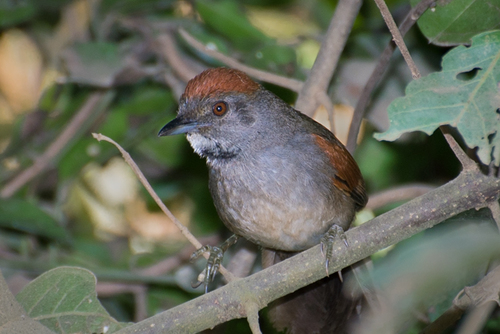
ハイムネオナガカマドドリ (Synallaxis hypospodia) ハイムネオナガカマドドリ
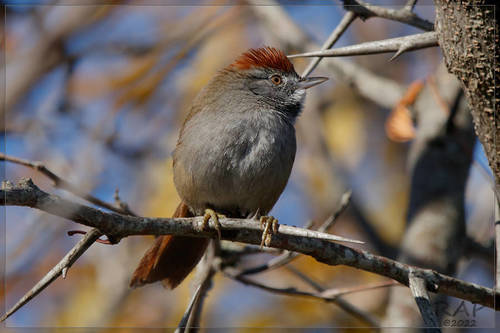
ハイビタイカマドドリ (Synallaxis frontalis) ハイビタイカマドドリ

メディア

読み込み中…

要点

ハイムネオナガカマドドリとハイビタイカマドドリの最も信頼できるフィールドマークは、特に成鳥において、尾の色と形、喉と胸の模様です。両種はサイズが似ており、一般的に赤褐色と灰色のパレットを共有していますが、ハイムネオナガカマドドリはより暗い茶色で、より丸みを帯びた尾と明確に灰色(灰色)の胸を持ち、ハイビタイカマドドリは尖った先端を持つより赤褐色の尾と、黒っぽい三日月模様のある灰色の喉を示します。幼鳥は腹部の色と喉の模様で区別されますが、両方とも色あせて見えることがあります。生息地の重複は重要ですが、ハイビタイカマドドリは南アメリカ南部や森林の端やトゲのある低木地にいる可能性が高く、ハイムネオナガカマドドリは水の近くの湿った、しばしばより開けた生息地に結びついています。声はよく聞こえれば役立ちます:ハイムネオナガカマドドリは急いで加速するおしゃべりをし、ハイビタイカマドドリはより遅く、高音の二音のフレーズを生成します。

識別のコツ

  1. Tail color and shape: ハイムネオナガカマドドリは先端が丸い暗い茶色の尾を持ち、ハイビタイカマドドリの尾は尖った先端を持つ暗い赤褐色で、最も内側の羽の内側のウェブがより暗いです。これは、鳥が尾を扇ぐときやひらひらさせるときに最もよく見られます。
  2. Breast and belly contrast: ハイムネオナガカマドドリは、白っぽい腹部と鋭く対比する明確に灰色(灰色)の胸を示し、ハイビタイカマドドリの胸は灰褐色で、腹部はわずかに淡いだけで、側面/尾羽はより茶色です。この対比を良い光の中で探してください。
  3. Throat pattern: 成鳥のハイムネオナガカマドドリは、下喉の白っぽい縁取りのある黒っぽい斑点のあるほぼ白い顎/喉を持ち、ハイビタイカマドドリは黒っぽい三日月模様と淡い斑点のある灰色の喉を持っています。喉の三日月模様は通常、ハイビタイカマドドリでより鋭いです。
  4. Supercilium and eye-line: ハイムネオナガカマドドリは淡い灰色のスーパシリウムと平坦な灰褐色の顔を示し、ハイビタイカマドドリは薄い茶色のアイラインを持っていますが、強いスーパシリウムはありません。これは微妙で、暗い光の中では見逃されることがあります。
  5. Crown and nape color: ハイムネオナガカマドドリの頭頂と後頭部は栗色の赤褐色で、暗い灰褐色の前頭部と対比しています。ハイビタイカマドドリの後頭部/後頸部は暗い赤褐色で、暗い灰褐色の前頭部を持っていますが、全体的に対比は少ないです。
  6. Wing coverts and flight feathers: 両方とも赤褐色のトーンを持っていますが、ハイムネオナガカマドドリの翼の覆羽は栗色の赤褐色で、暗い茶色の飛翔羽は赤褐色の縁取りがありますが、ハイビタイカマドドリの覆羽は暗い赤褐色で、飛翔羽は黄褐色の赤褐色で、鈍い先端を持っています。飛行中は、全体的な温かさと対比を探してください。
  7. Juvenile underparts: 幼鳥のハイムネオナガカマドドリは、下部がより粘土色の茶色で、喉の斑点があまり明確ではありません。幼鳥のハイビタイカマドドリは黄褐色の洗浄を受けていますが、通常は下喉にわずかな黒っぽい三日月模様を保持しています。これは微妙ですが、若い鳥の新しい羽毛に役立ちます。
  8. Tail graduation: 両方とも尾羽が段階的ですが、ハイムネオナガカマドドリの尾羽はより丸みを帯びており、ハイビタイカマドドリの尾羽はより尖っています。
  9. Bill and leg color: フィールドで信頼できる診断にはならず、両方とも暗いくちばしとオリーブ色から灰色の脚を持ち、個体差があります。
  10. Habitat context: 中央または西アマゾニアの湿った開けた草地や水の近くで見られた場合、ハイムネオナガカマドドリの可能性が高いです。南アメリカ南部のトゲのある低木地、森林の端、または森林伐採された地域では、ハイビタイカマドドリの可能性が高いです。
  11. Vocalizations: 急いで加速するおしゃべりが聞こえた場合、ハイムネオナガカマドドリを疑ってください。歌が遅く、高音の二音のフレーズであれば、ハイビタイカマドドリの可能性が高いです。呼び声はあまり特徴的ではありませんが、経験によって役立ちます。
  12. Geographic range: ペルーと西アマゾニアでは、ハイムネオナガカマドドリのみが見られます。アルゼンチン、ウルグアイ、南ブラジルでは、ハイビタイカマドドリのみが期待されます。ボリビア、ブラジル、パラグアイでは、両方が見られる可能性があります—羽毛と声を使用してください。
  13. Clinal variation: ハイビタイカマドドリは地域的な変異を示し、北東部では明るく、南西部では鈍いですが、これはハイムネオナガカマドドリのより均一で暗いトーンとは重なりません。
  14. Pairing and behavior: 両種は通常ペアで見られ、密なカバーの中で低く採餌します。行動は強い区別要因ではありません。
  15. Pitfalls: 摩耗したり脱毛した鳥に注意してください。両方とも鈍く見え、喉と胸の対比を失うことがあります。両方の幼鳥はあまり明確ではないため、腹部の色と喉の模様の微妙な違いに頼ってください。

大きさ

両種はサイズが非常に近く、ハイムネオナガカマドドリは15〜16 cm、15〜18 g、ハイビタイカマドドリは14〜16 cm、11〜17 gです[wikipedia]。手の中や近距離では、ハイムネオナガカマドドリがわずかに重く見えるかもしれませんが、これは微妙で信頼できるフィールドマークではありません。両方とも似たような比率と構造を持っているため、サイズだけでは診断にはなりません。

羽色

行動

両種は密な植生の中で低く(1〜2 m)採餌し、通常はペアで、葉や枝から節足動物を採取します。どちらも特に目立つわけではなく、長時間観察するのが難しい場合があります。ハイビタイカマドドリはより適応性があるかもしれず、時には森林伐採された地域やより広範な半開放生息地に拡張することがあります。情報源には大きな行動の違いは記載されていません。

生息環境

ハイムネオナガカマドドリはボリビア、ブラジル、パラグアイ、ペルーに生息し、特に水の近くの季節的に湿った草地、低木地、カンピーナ、サバンナを好み、海面から700 mまでの高度で見られます。その範囲はより断続的で、局所的には一般的ですが、ばらつきがあります。ハイビタイカマドドリはアルゼンチン、ボリビア、ブラジル、パラグアイ、ウルグアイに生息し、より広範で連続的な範囲が南に広がっています。ギャラリー森林、森林の端、トゲのある低木地、森林地帯、茂みのあるサバンナを好み、半開放またはエッジの生息地にいる可能性が高く、時には森林伐採された地域でも見られます。範囲が重なる場所では、生息地が役立つことがありますが、決定的ではありません。

声

ハイムネオナガカマドドリは、単一の音程で急いで大きなおしゃべりをし、最後に加速します(例:'chéw, chew-chee-chee-chee-ee-ee-ee-ee-ee-eu')、または高く鋭い'tut-Drrrrrrruh'を持ち、スタッカートで下降するフィニッシュを持ちます。ハイビタイカマドドリの歌はより遅く、高音で、二音のフレーズが多く(例:'ka-kwee-éék', 'du-Twee', 'pi-whéé')、長時間繰り返されることがよくあります。また、鼻音や短い呼び声('sew-kli', 'chi-cli', 'hoint')も出します。よく聞こえれば、ハイムネオナガカマドドリはよりおしゃべりで加速し、ハイビタイカマドドリはより意図的で二部構成です。

より良い説明を送る

比較と同じ項目を使ってください。文章はすぐに公開されます。

The most reliable field mark between Cinereous-breasted Spinetail and Sooty-fronted Spinetail is the color and shape of the tail and the pattern of the throat and breast, especially in adults. Both species are similarly sized and share a generally rufous-brown and gray palette, but Cinereous-breasted has a darker brown, more rounded tail and a distinctly ash-gray (cinereous) breast, while Sooty-fronted shows a more rufous tail with pointed tips and a grayer throat with a blackish crescent. Juveniles are best separated by the underpart color and throat pattern, but beware that both can look washed-out. Habitat overlap is significant, but Sooty-fronted is more likely in southern South America and in forest edge or thorn-scrub, while Cinereous-breasted is tied to wetter, often more open habitats near water. Voice is useful if heard well: Cinereous-breasted gives a hurried, accelerating chatter, while Sooty-fronted produces slower, higher-pitched two-note phrases.

  1. Tail color and shape: Cinereous-breasted has a darker brown tail with rounded tips, while Sooty-fronted's tail is dark rufous with pointed tips and darker inner webs on the innermost feathers. This is best seen when the bird fans or flicks its tail.
  2. Breast and belly contrast: Cinereous-breasted shows a distinctly ash-gray (cinereous) breast sharply contrasting with a whitish belly; Sooty-fronted's breast is grayish brown, with the belly only slightly paler and the flanks/undertail browner. Look for this contrast in good light.
  3. Throat pattern: Adult Cinereous-breasted has a mostly whitish chin/throat with a blackish patch edged whitish on the lower throat; Sooty-fronted has a grayer throat with a blackish crescent and pale speckles. The throat crescent is usually sharper in Sooty-fronted.
  4. Supercilium and eye-line: Cinereous-breasted shows a faint gray supercilium and a plain gray-brown face, while Sooty-fronted has a thin brownish eye-line but lacks a strong supercilium. This is subtle and may be missed in poor light.
  5. Crown and nape color: Cinereous-breasted's crown and nape are chestnut-rufous, contrasting with a dark gray-brown forecrown; Sooty-fronted's hindcrown/nape is dark rufous, with a dark gray-brown forecrown but less contrast overall.
  6. Wing coverts and flight feathers: Both have rufous tones, but Cinereous-breasted's wing coverts are chestnut-rufous with dark brown flight feathers edged rufescent, while Sooty-fronted's coverts are dark rufous and flight feathers are tawny-rufous with dusky tips. In flight, look for the overall warmth and contrast.
  7. Juvenile underparts: Juvenile Cinereous-breasted is more clay-brown below with a less distinct throat patch; juvenile Sooty-fronted is ochraceous-washed but usually retains a faint blackish throat crescent. This is subtle but can help in fresh-plumaged young birds.
  8. Tail graduation: Both have graduated tails, but Cinereous-breasted's tail feathers are more rounded, while Sooty-fronted's are more pointed.
  9. Bill and leg color: Not reliably diagnostic in the field, as both have dark bills and olive to grayish legs, with some individual variation.
  10. Habitat context: If seen in wetter, open grassland or near water, especially in central or western Amazonia, Cinereous-breasted is more likely. In southern South America, in thorn-scrub, woodland edge, or deforested areas, Sooty-fronted is more probable.
  11. Vocalizations: If you hear a hurried, accelerating chatter, suspect Cinereous-breasted; if the song is a slow, high two-note phrase, Sooty-fronted is more likely. Calls are less distinctive but can help with experience.
  12. Geographic range: In Peru and western Amazonia, only Cinereous-breasted occurs. In Argentina, Uruguay, and southern Brazil, only Sooty-fronted is expected. In Bolivia, Brazil, and Paraguay, both can occur—use plumage and voice.
  13. Clinal variation: Sooty-fronted shows some regional variation, being brighter in the northeast and duller in the southwest, but this does not overlap with Cinereous-breasted's more uniform, darker tones.
  14. Pairing and behavior: Both species are usually seen in pairs, foraging low in dense cover. Behavior is not a strong separator.
  15. Pitfalls: Beware of worn or molting birds, as both can appear duller and lose contrast in the throat and breast. Juveniles of both are less distinct, so rely on subtle differences in underpart color and throat pattern.

Both species are very close in size, with Cinereous-breasted Spinetail at 15–16 cm and 15–18 g, and Sooty-fronted Spinetail at 14–16 cm and 11–17 g [wikipedia]. In the hand or at close range, Cinereous-breasted may appear slightly heavier, but this is subtle and not a reliable field mark. Both have similar proportions and structure, so size alone is not diagnostic.

  • Juveniles: Both species have duller, browner crowns and ochraceous-washed underparts, but Cinereous-breasted juveniles have a less distinct throat patch and more clay-brown below, while Sooty-fronted juveniles show a brownish gray crown and ochraceous wash but retain a faint blackish crescent on the lower throat. In both, the throat pattern is less crisp than in adults, but the presence or absence of a distinct throat crescent is helpful.
  • Adults: Cinereous-breasted shows a faint gray supercilium, dark gray-brown forecrown, chestnut-rufous crown and nape, dark brown back, chestnut-rufous wing coverts, and a darker brown, rounded tail. The chin and throat are mostly whitish with a blackish patch edged whitish on the lower throat, and the breast is ash-gray (cinereous), contrasting with a whitish belly. Sooty-fronted adults have a thin brownish eye-line, dark gray-brown forecrown, dark rufous hindcrown/nape, brown back with rufescent tinge, dark rufous wing coverts, tawny-rufous flight feathers with dusky tips, and a dark rufous tail with pointed tips and darker inner webs on the innermost pair. The chin is whitish, the throat grayer with a blackish crescent and pale speckles, and the breast is grayish brown, with paler belly and browner flanks/undertail.

Both species forage low (1–2 m) in dense vegetation, usually in pairs, gleaning arthropods from foliage and branches. Neither is particularly conspicuous, and both can be difficult to observe for long periods. Sooty-fronted may be more adaptable, sometimes extending into deforested areas and a wider range of semi-open habitats. No major behavioral differences are noted in the sources.

Cinereous-breasted Spinetail is found in Bolivia, Brazil, Paraguay, and Peru, favoring seasonally wet grasslands, scrub, campina, and savannah, especially near water, from sea level up to 700 m. Its range is more disjunct, and it is locally common but patchy. Sooty-fronted Spinetail occurs in Argentina, Bolivia, Brazil, Paraguay, and Uruguay, with a broader, more continuous range extending farther south. It prefers gallery forest, forest edges, thorn-scrub, woodlands, and bushy savanna, and is more likely in semi-open or edge habitats, sometimes even in deforested areas. Where ranges overlap, habitat can help but is not definitive.

Cinereous-breasted Spinetail gives a hurried, loud chatter on a single pitch, accelerating at the end (e.g., 'chéw, chew-chee-chee-chee-ee-ee-ee-ee-ee-eu'), or a high, sharp 'tut-Drrrrrrruh' with a staccato, descending finish. Sooty-fronted Spinetail's song is slower, higher-pitched, and more two-noted (e.g., 'ka-kwee-éék', 'du-Twee', 'pi-whéé'), often repeated for long periods. It also gives nasal or clipped calls ('sew-kli', 'chi-cli', 'hoint'). If heard well, the Cinereous-breasted is more chattery and accelerating, while Sooty-fronted is more deliberate and two-parted.

変更を破棄しますか?

保存していない編集があります。今離れると失われます。

ハイムネオナガカマドドリ · ハイビタイカマドドリ · 苦手な鳥