

Cinereous-breasted Spinetail vs Sooty-fronted Spinetail
Synallaxis hypospodia contro Synallaxis frontalis
Fai un quiz con Cinereous-breasted Spinetail e Sooty-fronted Spinetail
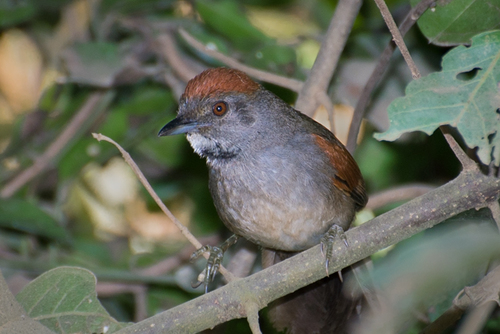 Cinereous-breasted Spinetail
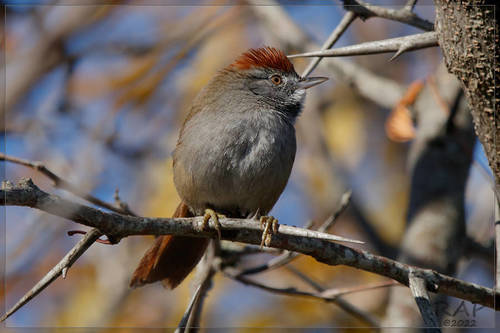 Sooty-fronted Spinetail
In breve
Il segno di campo più affidabile tra Cinereous-breasted Spinetail e Sooty-fronted Spinetail è il colore e la forma della coda e il motivo della gola e del petto, specialmente negli adulti. Entrambe le specie sono di dimensioni simili e condividono una palette generalmente rufous-brown e grigia, ma Cinereous-breasted ha una coda marrone più scura e più arrotondata e un petto distintamente grigio cenere (cinereous), mentre Sooty-fronted mostra una coda più rufous con punte appuntite e una gola più grigia con un crescente nerastro. I giovani sono meglio separati dal colore della parte inferiore e dal motivo della gola, ma fai attenzione che entrambi possono apparire sbiaditi. L'overlap degli habitat è significativo, ma Sooty-fronted è più probabile nel sud del Sud America e nei bordi delle foreste o nei roveti, mentre Cinereous-breasted è legato a habitat più umidi, spesso più aperti vicino all'acqua. La voce è utile se ascoltata bene: Cinereous-breasted emette un chiacchierio affrettato e accelerato, mentre Sooty-fronted produce frasi più lente e acute a due note.
Consigli di identificazione
- Colore e forma della coda: Cinereous-breasted ha una coda marrone più scura con punte arrotondate, mentre la coda di Sooty-fronted è rufous scuro con punte appuntite e web interni più scuri sulle piume più interne. Questo è meglio visibile quando l'uccello apre o muove la coda.
- Contrasto tra petto e pancia: Cinereous-breasted mostra un petto distintamente grigio cenere (cinereous) che contrasta nettamente con una pancia biancastra; il petto di Sooty-fronted è marrone grigiastro, con la pancia solo leggermente più chiara e i fianchi/sotto-coda più marroni. Cerca questo contrasto in buona luce.
- Motivo della gola: L'adulto Cinereous-breasted ha un mento/gola per lo più bianco con una macchia nerastra bordata di bianco sulla gola inferiore; Sooty-fronted ha una gola più grigia con un crescente nerastro e macchie chiare. Il crescente della gola è solitamente più netto in Sooty-fronted.
- Supercilium e linea oculare: Cinereous-breasted mostra un supercilium grigio tenue e un volto grigio-marrone semplice, mentre Sooty-fronted ha una sottile linea oculare marrone ma manca di un forte supercilium. Questo è sottile e potrebbe essere perso in scarsa luce.
- Colore della corona e della nuca: La corona e la nuca di Cinereous-breasted sono rufous castano, in contrasto con una fronte scura grigio-marrone; la nuca/corona posteriore di Sooty-fronted è rufous scuro, con una fronte scura grigio-marrone ma meno contrasto complessivo.
- Copritrici alari e piume di volo: Entrambi hanno toni rufous, ma le copritrici alari di Cinereous-breasted sono rufous castano con piume di volo marroni scure bordate di rufescent, mentre le copritrici di Sooty-fronted sono rufous scuro e le piume di volo sono rufous fulvi con punte scure. In volo, cerca il calore e il contrasto complessivi.
- Parte inferiore dei giovani: Il giovane Cinereous-breasted è più marrone argilloso sotto con una macchia della gola meno distintiva; il giovane Sooty-fronted è lavato di ocra ma di solito mantiene un debole crescente nerastro sulla gola inferiore. Questo è sottile ma può aiutare negli uccelli giovani con piumaggio fresco.
- Graduazione della coda: Entrambi hanno code graduate, ma le piume della coda di Cinereous-breasted sono più arrotondate, mentre quelle di Sooty-fronted sono più appuntite.
- Colore del becco e delle gambe: Non è affidabile per la diagnosi sul campo, poiché entrambi hanno becchi scuri e gambe da oliva a grigio, con alcune variazioni individuali.
- Contesto dell'habitat: Se visti in prati aperti e umidi o vicino all'acqua, specialmente nel centro o nell'ovest dell'Amazzonia, è più probabile che sia Cinereous-breasted. Nel sud del Sud America, in roveti, ai bordi dei boschi o in aree deforestate, Sooty-fronted è più probabile.
- Vocalizzazioni: Se senti un chiacchierio affrettato e accelerato, sospetta Cinereous-breasted; se il canto è una frase lenta e alta a due note, Sooty-fronted è più probabile. Le chiamate sono meno distintive ma possono aiutare con l'esperienza.
- Gamma geografica: In Perù e nell'Amazzonia occidentale, si trova solo Cinereous-breasted. In Argentina, Uruguay e sud del Brasile, si prevede solo Sooty-fronted. In Bolivia, Brasile e Paraguay, entrambe possono verificarsi—usa piumaggio e voce.
- Variazione clinale: Sooty-fronted mostra alcune variazioni regionali, essendo più brillante nel nord-est e più opaco nel sud-ovest, ma questo non si sovrappone ai toni più uniformi e scuri di Cinereous-breasted.
- Accoppiamento e comportamento: Entrambe le specie sono solitamente viste in coppia, foraggiando in basso in copertura densa. Il comportamento non è un forte separatore.
- Trappole: Fai attenzione agli uccelli usurati o in muta, poiché entrambi possono apparire più opachi e perdere contrasto nella gola e nel petto. I giovani di entrambi sono meno distintivi, quindi fai affidamento su differenze sottili nel colore della parte inferiore e nel motivo della gola.
Taglia
Entrambe le specie sono molto simili in dimensioni, con Cinereous-breasted Spinetail che misura 15–16 cm e 15–18 g, e Sooty-fronted Spinetail che misura 14–16 cm e 11–17 g [wikipedia]. In mano o a distanza ravvicinata, Cinereous-breasted può apparire leggermente più pesante, ma questo è sottile e non è un segno di campo affidabile. Entrambi hanno proporzioni e struttura simili, quindi la dimensione da sola non è diagnostica.
Piumaggio
- Giovani: Entrambe le specie hanno corone più opache e marroni, e parti inferiori lavate di ocra, ma i giovani di Cinereous-breasted hanno una macchia della gola meno distintiva e sono più marroni argillosi sotto, mentre i giovani di Sooty-fronted mostrano una corona grigio marrone e un lavaggio ocra ma mantengono un debole crescente nerastro sulla gola inferiore. In entrambi, il motivo della gola è meno nitido rispetto agli adulti, ma la presenza o l'assenza di un crescente della gola distintivo è utile.
- Adulti: Cinereous-breasted mostra un supercilium grigio tenue, una fronte scura grigio-marrone, una corona e nuca rufous castano, un dorso marrone scuro, copritrici alari rufous castano, e una coda marrone più scura e arrotondata. Il mento e la gola sono per lo più bianchi con una macchia nerastra bordata di bianco sulla gola inferiore, e il petto è grigio cenere (cinereous), in contrasto con una pancia biancastra. Gli adulti di Sooty-fronted hanno una sottile linea oculare marrone, una fronte scura grigio-marrone, una nuca/corona posteriore rufous scuro, un dorso marrone con una sfumatura rufescent, copritrici alari rufous scuro, piume di volo rufous fulvi con punte scure, e una coda rufous scuro con punte appuntite e web interni più scuri sulla coppia più interna. Il mento è bianco, la gola è più grigia con un crescente nerastro e macchie chiare, e il petto è marrone grigiastro, con una pancia più chiara e fianchi/sotto-coda più marroni.
Comportamento
Entrambe le specie foraggiano in basso (1–2 m) in vegetazione densa, di solito in coppia, raccogliendo artropodi da foglie e rami. Nessuna delle due è particolarmente evidente, e entrambe possono essere difficili da osservare per lunghi periodi. Sooty-fronted può essere più adattabile, a volte estendendosi in aree deforestate e in una gamma più ampia di habitat semi-aperti. Non sono state notate differenze comportamentali significative nelle fonti.
Habitat
Cinereous-breasted Spinetail si trova in Bolivia, Brasile, Paraguay e Perù, preferendo praterie stagionalmente umide, roveti, campina e savana, specialmente vicino all'acqua, dal livello del mare fino a 700 m. La sua gamma è più disgiunta, ed è localmente comune ma a macchie. Sooty-fronted Spinetail si verifica in Argentina, Bolivia, Brasile, Paraguay e Uruguay, con una gamma più ampia e continua che si estende più a sud. Preferisce foreste galleria, bordi di foreste, roveti, boschi e savana cespugliosa, ed è più probabile in habitat semi-aperti o ai bordi, a volte anche in aree deforestate. Dove le gamme si sovrappongono, l'habitat può aiutare ma non è definitivo.
Voce
Cinereous-breasted Spinetail emette un chiacchierio affrettato e forte su un'unica tonalità, accelerando alla fine (ad es., 'chéw, chew-chee-chee-chee-ee-ee-ee-ee-ee-eu'), o un 'tut-Drrrrrrruh' alto e acuto con una finitura staccata e discendente. Il canto di Sooty-fronted Spinetail è più lento, di tonalità più alta e più a due note (ad es., 'ka-kwee-éék', 'du-Twee', 'pi-whéé'), spesso ripetuto per lunghi periodi. Emette anche chiamate nasali o abbreviate ('sew-kli', 'chi-cli', 'hoint'). Se ascoltato bene, il Cinereous-breasted è più chiacchierone e accelerato, mentre Sooty-fronted è più deliberato e a due parti.
Cinereous-breasted Spinetail · Sooty-fronted Spinetail · I miei uccelli difficili