

Pijuí Cenizo vs Pijuí Frentigrís
Synallaxis hypospodia frente a Synallaxis frontalis
Juega un quiz con Pijuí Cenizo y Pijuí Frentigrís
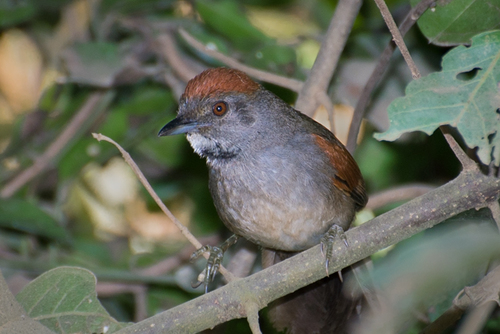 Pijuí Cenizo
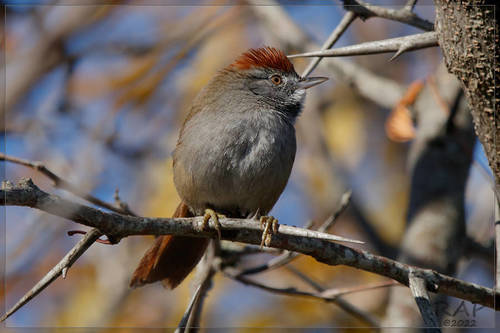 Pijuí Frentigrís
En breve
La marca de campo más confiable entre Pijuí Cenizo y Pijuí Frentigrís es el color y la forma de la cola y el patrón de la garganta y el pecho, especialmente en los adultos. Ambas especies son de tamaño similar y comparten una paleta generalmente rufo-marrón y gris, pero Pijuí Cenizo tiene una cola marrón más oscura y redondeada y un pecho distintivamente gris cenizo, mientras que Pijuí Frentigrís muestra una cola más rufo con puntas puntiagudas y una garganta más grisácea con un creciente negruzco. Los juveniles se separan mejor por el color de las partes inferiores y el patrón de la garganta, pero ten cuidado, ya que ambos pueden parecer deslavados. La superposición de hábitats es significativa, pero Pijuí Frentigrís es más probable en el sur de América del Sur y en bordes de bosque o matorrales espinosos, mientras que Pijuí Cenizo está vinculado a hábitats más húmedos, a menudo más abiertos, cerca del agua. La voz es útil si se escucha bien: Pijuí Cenizo emite un parloteo apresurado y acelerado, mientras que Pijuí Frentigrís produce frases más lentas y agudas de dos notas.
Consejos de identificación
- Color y forma de la cola: Pijuí Cenizo tiene una cola marrón más oscura con puntas redondeadas, mientras que la cola de Pijuí Frentigrís es rufo oscuro con puntas puntiagudas y webs internas más oscuras en las plumas más internas. Esto se ve mejor cuando el ave abre o agita su cola.
- Contraste del pecho y el vientre: Pijuí Cenizo muestra un pecho distintivamente gris cenizo que contrasta marcadamente con un vientre blanquecino; el pecho de Pijuí Frentigrís es marrón grisáceo, con el vientre solo ligeramente más pálido y los flancos/parte inferior más marrones. Busca este contraste en buena luz.
- Patrón de la garganta: El Pijuí Cenizo adulto tiene una barbilla/garganta mayormente blanquecina con una mancha negruzca bordeada de blanco en la parte inferior de la garganta; Pijuí Frentigrís tiene una garganta más grisácea con un creciente negruzco y manchas pálidas. El creciente de la garganta suele ser más agudo en Pijuí Frentigrís.
- Supercilio y línea ocular: Pijuí Cenizo muestra un supercilio gris tenue y una cara gris-marrón simple, mientras que Pijuí Frentigrís tiene una línea ocular marrón delgada pero carece de un supercilio fuerte. Esto es sutil y puede pasarse por alto en luz pobre.
- Color de la corona y la nuca: La corona y la nuca de Pijuí Cenizo son rufo castaño, contrastando con una frente gris-marrón oscura; la nuca/parte posterior de Pijuí Frentigrís es rufo oscuro, con una frente gris-marrón oscura pero menos contraste en general.
- Cubiertas de alas y plumas de vuelo: Ambas tienen tonos rufo, pero las cubiertas de alas de Pijuí Cenizo son rufo castaño con plumas de vuelo marrón oscuro bordeadas de rufo, mientras que las cubiertas de Pijuí Frentigrís son rufo oscuro y las plumas de vuelo son rufo pardo con puntas oscuras. En vuelo, busca la calidez y el contraste general.
- Partes inferiores juveniles: El juvenil de Pijuí Cenizo es más marrón arcilloso por debajo con una mancha de garganta menos distintiva; el juvenil de Pijuí Frentigrís es de color ocráceo pero generalmente retiene un tenue creciente negruzco en la parte inferior de la garganta. Esto es sutil pero puede ayudar en aves jóvenes con plumaje fresco.
- Graduación de la cola: Ambas tienen colas graduadas, pero las plumas de la cola de Pijuí Cenizo son más redondeadas, mientras que las de Pijuí Frentigrís son más puntiagudas.
- Color del pico y las patas: No es un diagnóstico confiable en el campo, ya que ambos tienen picos oscuros y patas de color oliva a grisáceo, con alguna variación individual.
- Contexto del hábitat: Si se ve en pastizales húmedos y abiertos o cerca del agua, especialmente en la Amazonía central o occidental, es más probable que sea Pijuí Cenizo. En el sur de América del Sur, en matorrales espinosos, bordes de bosques o áreas deforestadas, es más probable que sea Pijuí Frentigrís.
- Vocalizaciones: Si escuchas un parloteo apresurado y acelerado, sospecha de Pijuí Cenizo; si la canción es una frase lenta y alta de dos notas, es más probable que sea Pijuí Frentigrís. Los llamados son menos distintivos pero pueden ayudar con la experiencia.
- Rango geográfico: En Perú y la Amazonía occidental, solo se encuentra Pijuí Cenizo. En Argentina, Uruguay y el sur de Brasil, solo se espera Pijuí Frentigrís. En Bolivia, Brasil y Paraguay, ambos pueden ocurrir; usa el plumaje y la voz.
- Variación clinal: Pijuí Frentigrís muestra cierta variación regional, siendo más brillante en el noreste y más apagado en el suroeste, pero esto no se superpone con los tonos más uniformes y oscuros de Pijuí Cenizo.
- Emparejamiento y comportamiento: Ambas especies suelen verse en parejas, forrajeando bajo en cobertura densa. El comportamiento no es un separador fuerte.
- Trampas: Ten cuidado con aves desgastadas o en muda, ya que ambas pueden parecer más apagadas y perder contraste en la garganta y el pecho. Los juveniles de ambos son menos distintivos, así que confía en diferencias sutiles en el color de las partes inferiores y el patrón de la garganta.
Tamaño
Ambas especies son muy similares en tamaño, con Pijuí Cenizo de 15–16 cm y 15–18 g, y Pijuí Frentigrís de 14–16 cm y 11–17 g [wikipedia]. En la mano o a corta distancia, Pijuí Cenizo puede parecer ligeramente más pesado, pero esto es sutil y no es una marca de campo confiable. Ambas tienen proporciones y estructura similares, por lo que el tamaño por sí solo no es diagnóstico.
Plumaje
- Juveniles: Ambas especies tienen coronas más apagadas y marrones y partes inferiores lavadas de ocre, pero los juveniles de Pijuí Cenizo tienen una mancha de garganta menos distintiva y son más marrón arcilloso por debajo, mientras que los juveniles de Pijuí Frentigrís muestran una corona marrón grisácea y un lavado ocráceo pero retienen un tenue creciente negruzco en la parte inferior de la garganta. En ambos, el patrón de la garganta es menos nítido que en los adultos, pero la presencia o ausencia de un creciente de garganta distintivo es útil.
- Adultos: Pijuí Cenizo muestra un supercilio gris tenue, una frente gris-marrón oscura, una corona y nuca rufo castaño, un dorso marrón oscuro, cubiertas de alas rufo castaño y una cola más oscura y redondeada. La barbilla y la garganta son mayormente blanquecinas con una mancha negruzca bordeada de blanco en la parte inferior de la garganta, y el pecho es gris cenizo, contrastando con un vientre blanquecino. Los adultos de Pijuí Frentigrís tienen una línea ocular marrón delgada, una frente gris-marrón oscura, una nuca/parte posterior rufo oscuro, un dorso marrón con un tinte rufo, cubiertas de alas rufo oscuro, plumas de vuelo rufo pardo con puntas oscuras, y una cola rufo oscuro con puntas puntiagudas y webs internas más oscuras en el par más interno. La barbilla es blanquecina, la garganta es más grisácea con un creciente negruzco y manchas pálidas, y el pecho es marrón grisáceo, con un vientre más pálido y flancos/parte inferior más marrones.
Comportamiento
Ambas especies forrajean bajo (1–2 m) en vegetación densa, generalmente en parejas, recolectando artrópodos de la follaje y ramas. Ninguna es particularmente conspicua, y ambas pueden ser difíciles de observar durante largos períodos. Pijuí Frentigrís puede ser más adaptable, a veces extendiéndose a áreas deforestadas y una gama más amplia de hábitats semi-abiertos. No se notan diferencias de comportamiento importantes en las fuentes.
Hábitat
Pijuí Cenizo se encuentra en Bolivia, Brasil, Paraguay y Perú, favoreciendo pastizales estacionalmente húmedos, matorrales, campina y sabana, especialmente cerca del agua, desde el nivel del mar hasta 700 m. Su rango es más disjunto, y es localmente común pero irregular. Pijuí Frentigrís ocurre en Argentina, Bolivia, Brasil, Paraguay y Uruguay, con un rango más amplio y continuo que se extiende más al sur. Prefiere bosques de galería, bordes de bosque, matorrales espinosos, bosques y sabanas arbustivas, y es más probable en hábitats semi-abiertos o de borde, a veces incluso en áreas deforestadas. Donde los rangos se superponen, el hábitat puede ayudar pero no es definitivo.
Voz
Pijuí Cenizo emite un parloteo apresurado y fuerte en un solo tono, acelerando al final (por ejemplo, 'chéw, chew-chee-chee-chee-ee-ee-ee-ee-ee-eu'), o un 'tut-Drrrrrrruh' alto y agudo con un final staccato y descendente. La canción de Pijuí Frentigrís es más lenta, de tono más alto y más de dos notas (por ejemplo, 'ka-kwee-éék', 'du-Twee', 'pi-whéé'), a menudo repetida durante largos períodos. También emite llamados nasales o cortados ('sew-kli', 'chi-cli', 'hoint'). Si se escucha bien, el Pijuí Cenizo es más parloteante y acelerado, mientras que Pijuí Frentigrís es más deliberado y de dos partes.