

gavião-chinês vs gavião-japonês
Tachyspiza soloensis versus Tachyspiza gularis
Jogue um quiz com gavião-chinês e gavião-japonês
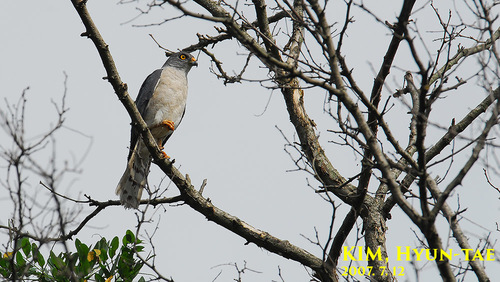 gavião-chinês
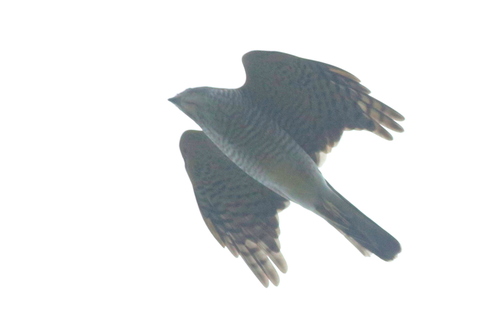 gavião-japonês
Em resumo
A marca de campo mais confiável entre gavião-chinês e gavião-japonês é o padrão e a cor da parte inferior da asa e do peito, especialmente em juvenis e fêmeas. Juvenis de gavião-chinês apresentam partes inferiores listradas e pontas de asas pretas menos proeminentes, enquanto juvenis de gavião-japonês têm partes inferiores creme com listras vermelho-marrom e uma faixa clara na garganta. Machos adultos diferem na cor da parte inferior: machos de gavião-chinês são brancos por baixo, sem listras, enquanto machos de gavião-japonês têm listras cinza-marrom e vermelho-marrom. A cor dos olhos também é útil: machos adultos de gavião-chinês têm olhos vermelhos, fêmeas e juvenis têm olhos amarelos, enquanto gaviões-japoneses têm olhos vermelho-alaranjados (macho) ou amarelos (fêmea), e juvenis têm olhos marrons. Em voo, note as pontas de asas pretas proeminentes do gavião-chinês (adultos) em contraste com as penas de voo finamente listradas e a faixa na garganta do gavião-japonês.
Dicas de identificação
- Padrão da parte inferior juvenil: Juvenis de gavião-chinês têm partes inferiores superiores listradas e coxas listradas, enquanto juvenis de gavião-japonês mostram partes inferiores creme com listras vermelho-marrom no peito, manchas no abdômen e uma faixa clara na garganta. Use isso para imaturos no outono ou inverno.
- Padrão da parte inferior adulta: Adultos de gavião-chinês têm pontas de asas pretas proeminentes, especialmente visíveis em voo; gaviões-japoneses não têm isso, mostrando em vez disso penas de voo finamente listradas e barras cinza-marrom nas forrações das asas e flancos.
- Faixa na garganta: Gaviões-japoneses (todas as idades) têm uma faixa distinta na garganta, mais óbvia em fêmeas e juvenis. Gaviões-chineses não têm uma faixa forte na garganta.
- Partes inferiores de machos adultos: Machos de gavião-chinês são brancos por baixo, sem listras; machos de gavião-japonês têm listras cinza-marrom e vermelho-marrom nas partes inferiores e uma leve coloração vermelho-marrom no peito.
- Partes inferiores de fêmeas adultas: Fêmeas de gavião-chinês têm rufo no peito e nas coberturas da parte inferior da asa; fêmeas de gavião-japonês têm listras cinza-marrom, mas não têm rufo ou vermelho-marrom nas partes inferiores ou laterais.
- Cor dos olhos: Machos adultos de gavião-chinês têm olhos vermelhos; fêmeas e juvenis têm olhos amarelos. Machos de gavião-japonês têm olhos vermelho-alaranjados, fêmeas têm olhos amarelos e juvenis têm olhos marrons. Isso pode ajudar a curta distância.
- Padrão da cauda (juvenis): Juvenis de gavião-japonês têm caudas finamente listradas; juvenis de gavião-chinês têm listras de cauda menos distintas.
- Partes superiores (adultos): Machos de gavião-chinês são cinzas por cima, enquanto machos de gavião-japonês são preto-ardósia com uma nuca branca. Fêmeas: gaviões-chineses são mais simples, gaviões-japoneses são marrons.
- Tamanho: Gavião-chinês é maior, mas cuidado com a sobreposição com grandes fêmeas de gavião-japonês e pequenos machos de gavião-chinês.
- Cor das patas (juvenis): Juvenis de gavião-japonês têm patas amarelo-esverdeadas; juvenis de gavião-chinês têm patas amarelas.
- Manchas nas bochechas: Machos de gavião-japonês têm manchas nas bochechas cinza-marrom, que estão ausentes no gavião-chinês.
- Forma de voo: Gavião-japonês tem asas mais largas e arredondadas e uma cauda mais curta, dando uma aparência mais compacta em voo em comparação com as asas ligeiramente mais longas e pontudas do gavião-chinês.
- Habitat: Não é diagnosticável de forma confiável, mas gavião-japonês é mais provável de ser encontrado no norte da Ásia Oriental durante a estação de reprodução, enquanto gavião-chinês é mais ao sul.
- Vocalizações: Gavião-japonês pode emitir um som de tagarelice "kiki-kik-kik..." ou "kwu" durante a exibição, mas a voz raramente é diagnóstica em campo.
- Contexto: Se visto durante a migração, ambas as espécies são possíveis na Ásia Oriental; use plumagem e estrutura para separação, não apenas a localização.
Tamanho
Gavião-chinês é geralmente maior, medindo 30–36 cm de comprimento, enquanto gavião-japonês é menor, com 23–30 cm. Ambas as espécies mostram dimorfismo sexual em tamanho, com fêmeas maiores que machos. Machos de gavião-japonês têm uma envergadura de 46–58 cm e pesam 92–142 g, enquanto fêmeas são mais pesadas (111–193 g). A massa e a envergadura do gavião-chinês não são especificadas, mas a diferença de comprimento é confiável em campo quando vistas lado a lado. No entanto, pode ocorrer sobreposição de tamanho, especialmente com fêmeas de gavião-japonês e pequenos machos de gavião-chinês, portanto, o tamanho sozinho não é diagnóstico.
Plumagem
- Juvenis:
- Juvenis de gavião-chinês têm um rosto cinza, partes superiores marrons, olhos amarelos, partes inferiores superiores listradas, coxas listradas e partes inferiores listradas (exceto coberturas). As pontas de asas pretas são menos proeminentes do que em adultos.
- Juvenis de gavião-japonês são marrons escuros por cima com lados creme ou vermelho-marrom, partes inferiores creme com listras vermelho-marrom no peito, manchas no abdômen, listras nos lados, um supercílios e nuca brancos, barras finas na cauda, uma faixa na garganta, olhos marrons e patas amarelo-esverdeadas.
- Machos adultos:
- Gavião-chinês: cinza por cima, branco por baixo, pontas de asas pretas proeminentes, olhos vermelhos.
- Gavião-japonês: partes superiores preto-ardósia, nuca branca, partes inferiores esbranquiçadas com listras cinza-marrom e vermelho-marrom, olhos vermelho-alaranjados, manchas nas bochechas cinza-marrom, penas de voo finamente listradas, leve coloração vermelho-marrom no peito, faixa na garganta.
- Fêmeas adultas:
- Gavião-chinês: rufo no peito e nas coberturas da parte inferior da asa, olhos amarelos.
- Gavião-japonês: partes superiores marrons, corpo branco e forrações das asas com listras cinza-marrom, olhos amarelos, faixa proeminente na garganta, sem listras vermelho-marrom nas partes inferiores ou laterais.
- Em voo:
- Adultos de gavião-chinês mostram pontas de asas pretas proeminentes; juvenis menos, com partes inferiores listradas.
- Adultos de gavião-japonês têm penas de voo finamente listradas, barras cinza-marrom nas forrações das asas e flancos, e uma faixa na garganta visível de baixo.
Comportamento
Ambas as espécies são rapinantes ágeis de floresta, frequentemente vistas empoleiradas ou fazendo rápidas investidas através das árvores. O gavião-japonês é descrito como tendo asas mais largas e arredondadas e uma cauda mais curta em comparação com outros gaviões, o que pode fazer seu voo parecer mais compacto e menos alongado do que o do gavião-chinês. Ambos realizam exibições aéreas durante a estação de reprodução, mas estas não são tipicamente diagnósticas em campo.
Habitat
Ambas as espécies ocorrem na Ásia Oriental e podem sobrepor-se em alcance, especialmente durante a migração. O gavião-japonês se reproduz na Rússia, Coreia, Japão e China, e é protegido na China. Ambos são aves de floresta, mas o habitat não é diagnosticável de forma confiável entre essas duas na maioria das situações de campo.
Voz
Gavião-japonês ocasionalmente emite um som de tagarelice "kiki-kik-kik..." e um som "kwu" durante as exibições. Nenhuma vocalização distintiva é descrita para gavião-chinês nas notas fornecidas, portanto, a voz não é um separador confiável.