

burchell's starling vs estorninho-metálico-lamurioso
Lamprotornis australis versus Lamprotornis chalybaeus
Jogue um quiz com burchell's starling e estorninho-metálico-lamurioso
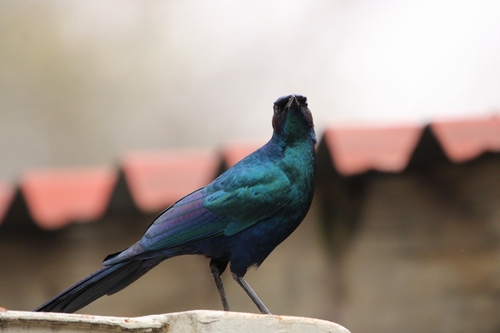 burchell's starling
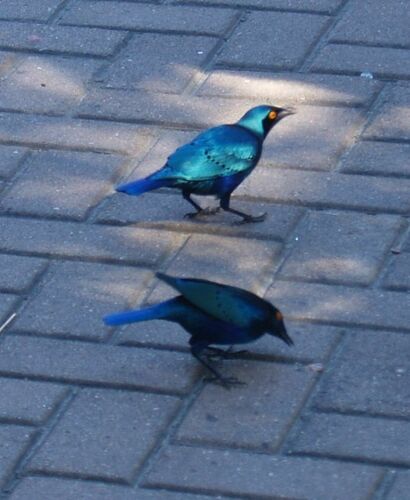 estorninho-metálico-lamurioso
Em resumo
A maneira mais confiável de separar o estorninho de Burchell do estorninho-metálico-lamurioso é focar na plumagem, especialmente na cor e na extensão do brilho nas partes inferiores e na mancha da orelha. O estorninho-metálico-lamurioso apresenta uma impressionante mancha azul na orelha e uma barriga roxa-azulada, enquanto o estorninho de Burchell não possui essas características e parece mais uniformemente brilhante. Os estorninhos-metálicos-lamuriosos juvenis são mais apagados, com partes inferiores marrons escuras, o que pode causar confusão com o de Burchell, mas a mancha da orelha e o padrão geral de brilho continuam sendo úteis. Ambos são semelhantes em tamanho e estrutura, portanto, atenção cuidadosa aos detalhes da plumagem é essencial, especialmente em bandos mistos ou habitats sobrepostos.
Dicas de identificação
- Verifique a mancha azul na orelha: O estorninho-metálico-lamurioso sempre apresenta uma distinta mancha azul na orelha, mesmo em juvenis mais apagados. O estorninho de Burchell não possui essa característica em nenhuma idade.
- Observe a cor da barriga: O estorninho-metálico-lamurioso tem uma barriga roxa-azulada, com o azul se estendendo para frente das pernas. O estorninho de Burchell é mais uniformemente brilhante, sem uma barriga contrastante.
- Confusão juvenil: Os estorninhos-metálicos-lamuriosos juvenis são mais apagados, com partes inferiores marrons escuras, mas a mancha azul na orelha e algum brilho permanecem. Se você ver um estorninho apagado com uma mancha azul na orelha, ainda é um estorninho-metálico-lamurioso.
- Cor da íris: Ambas as espécies têm íris amarelas ou laranjas brilhantes como adultos, portanto, isso não é um marcador útil para separação.
- Brilho geral: O estorninho de Burchell parece mais uniformemente brilhante, sem o forte contraste entre a mancha da orelha, a barriga e as partes superiores visto no estorninho-metálico-lamurioso.
- Cauda e estrutura: Ambos têm caudas curtas e robustas; o comprimento e a estrutura da cauda não são úteis para separação.
- Comportamento em bandos: Bandos grandes e barulhentos em florestas abertas ou ao redor de gado são mais propensos a serem estorninhos-metálicos-lamuriosos. O de Burchell é menos gregário e mais propenso a ser visto em pares ou pequenos grupos.
- Contexto do habitat: Em savanas muito abertas e bem pastadas ou áreas com gado, o estorninho-metálico-lamurioso é mais provável. Em florestas mais densas ou habitats mais secos e menos abertos, o de Burchell é mais típico.
- Distribuição: Se você estiver fora da África do Sul, você está quase certamente vendo o estorninho-metálico-lamurioso. Na África do Sul, ambas as espécies podem ocorrer, portanto, verificações cuidadosas da plumagem são necessárias.
- Bandos mistos: Em bandos mistos de estorninhos, use a mancha azul na orelha e a cor da barriga para identificar o estorninho-metálico-lamurioso entre os de Burchell e outros estorninhos Lamprotornis.
- Visões de voo: Nenhuma diferença distinta de padrão de asa ou voo é descrita, portanto, confie na plumagem do corpo e da cabeça mesmo em voo.
- Movimento sazonal: O estorninho-metálico-lamurioso pode aparecer em novas áreas durante migrações ou movimentos sazonais; o de Burchell é mais sedentário.
- Vocalizações: Se você ouvir um chamado nasal 'squee-ar', suspeite do estorninho-metálico-lamurioso, mas não confie apenas na voz, a menos que você esteja muito familiarizado com ambas as espécies.
- Diferenças sexuais: Ambas as espécies são sexualmente semelhantes; não use o sexo para identificação.
- Armadilhas: Cuidado com os estorninhos-metálicos-lamuriosos juvenis apagados, que podem parecer superficialmente com o de Burchell, mas sempre verifique a mancha azul na orelha e qualquer brilho nas partes superiores.
Tamanho
Ambas as espécies são muito próximas em tamanho, com o estorninho-metálico-lamurioso pesando em média um pouco mais (85,8g) do que o estorninho de Burchell (80,0g) [wikidata]. No campo, essa diferença é negligenciável e não é um ponto de separação confiável. Ambos têm uma estrutura de estorninho robusta e de cauda curta, portanto, tamanho e forma sozinhos não são diagnósticos.
Plumagem
- Pássaros juvenis/imaturos: Os estorninhos-metálicos-lamuriosos juvenis são mais apagados no geral, com partes inferiores marrons escuras, mas ainda retêm uma mancha azul na orelha e algum brilho nas partes superiores. Os juvenis do estorninho de Burchell não são descritos em detalhes, mas não possuem a distinta mancha azul na orelha e a barriga roxa-azulada.
- Adultos: Os adultos do estorninho-metálico-lamurioso são azul-esverdeados brilhantes no geral, com uma distinta mancha azul na orelha e uma barriga roxa-azulada. O azul da barriga é uma marca chave, se estendendo para frente das pernas. Os adultos do estorninho de Burchell são mais uniformemente brilhantes, sem uma mancha azul na orelha contrastante ou barriga roxa-azulada, dando uma aparência menos contrastante no geral. Ambas as espécies têm íris amarelas ou laranjas brilhantes nos adultos.
- Visões de voo: Nenhuma diferença específica de padrão de asa ou voo é descrita para essas duas espécies, portanto, a separação depende da plumagem do corpo e da cabeça mesmo em voo.
Comportamento
O estorninho-metálico-lamurioso é altamente gregário, frequentemente formando grandes bandos e misturando-se com outras espécies de estorninhos. É conhecido por pousar em gado, alimentando-se de insetos perturbados pelos animais e, às vezes, removendo ectoparasitas. O estorninho de Burchell é descrito como monogâmico e presumivelmente sedentário, sem menção de tal comportamento de bandos ou associações com gado. No campo, o estorninho-metálico-lamurioso é mais provável de ser visto em grandes grupos barulhentos, enquanto o de Burchell pode ser encontrado em pares ou pequenos grupos familiares.
Habitat
O estorninho de Burchell é nativo de florestas secas e mesófilas e savanas do sul da África, tipicamente em habitats menos abertos. O estorninho-metálico-lamurioso é comum em florestas abertas e savanas, com uma faixa muito mais ampla que se estende da África Ocidental à Oriental e até o nordeste da África do Sul e Angola. Ele também realiza algumas migrações sazonais, podendo ser encontrado em uma variedade mais ampla de habitats abertos, às vezes fora da faixa principal do Burchell. A sobreposição é possível no sul da África, mas o estorninho-metálico-lamurioso é geralmente mais disseminado e abundante [ebird].
Voz
O estorninho-metálico-lamurioso tem uma variedade de chamadas musicais ou estridentes, sendo a mais familiar um chamado nasal 'squee-ar'. Não há descrição vocal específica para o estorninho de Burchell nas notas fornecidas, portanto, a voz não é um ponto de separação confiável, a menos que você esteja muito familiarizado com os chamados locais dos estorninhos.
burchell's starling · estorninho-metálico-lamurioso · Minhas aves difíceis