

Burchell's Starling vs Greater Blue-eared Starling
Lamprotornis australis contro Lamprotornis chalybaeus
Fai un quiz con Burchell's Starling e Greater Blue-eared Starling
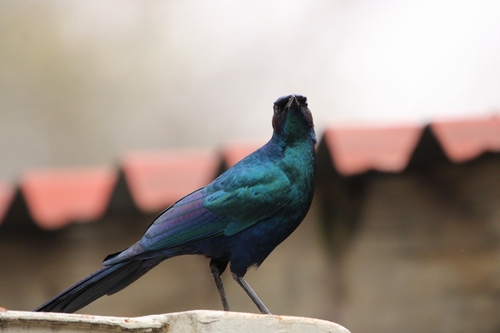 Burchell's Starling
 Greater Blue-eared Starling
In breve
Il modo più affidabile per separare Burchell's Starling da Greater Blue-eared Starling è concentrarsi sul piumaggio, in particolare sul colore e sull'estensione della lucentezza delle parti inferiori e sulla macchia auricolare. Greater Blue-eared Starling mostra una macchia auricolare blu sorprendente e una pancia viola-blu, mentre Burchell's Starling manca di queste caratteristiche e appare più uniformemente lucido. I giovani Greater Blue-eared Starlings sono più opachi con parti inferiori bruno-nerastre, il che può causare confusione con Burchell's, ma la macchia auricolare e il modello di lucentezza complessivo rimangono utili. Entrambi sono simili in dimensioni e struttura, quindi prestare attenzione ai dettagli del piumaggio è essenziale, specialmente in stormi misti o habitat sovrapposti.
Consigli di identificazione
- Controlla la macchia auricolare blu: Greater Blue-eared Starling mostra sempre una macchia auricolare blu distinta, anche nei giovani più opachi. Burchell's Starling manca di questa caratteristica a tutte le età.
- Guarda il colore della pancia: Greater Blue-eared Starling ha una pancia viola-blu, con il blu che si estende in avanti rispetto alle gambe. Burchell's Starling è più uniformemente lucido senza una pancia contrastante.
- Confusione nei giovani: I giovani Greater Blue-eared Starlings sono più opachi con parti inferiori bruno-nerastre, ma la macchia auricolare blu e un po' di lucentezza rimangono. Se vedi uno storno opaco con una macchia auricolare blu, è comunque Greater Blue-eared.
- Colore dell'iride: Entrambe le specie hanno iridi gialle o arancioni brillanti da adulte, quindi questo non è un segno utile per la separazione.
- Lucentezza complessiva: Burchell's Starling appare più uniformemente lucido, mancando del forte contrasto tra la macchia auricolare, la pancia e le parti superiori viste in Greater Blue-eared.
- Coda e struttura: Entrambi hanno code corte e robuste; la lunghezza e la struttura della coda non sono utili per la separazione.
- Comportamento di stormo: Stormi grandi e rumorosi in boschi aperti o intorno al bestiame sono più probabilmente Greater Blue-eared Starlings. Burchell's è meno gregarious e più probabile da vedere in coppie o piccoli gruppi.
- Contesto dell'habitat: In savane molto aperte e ben pascolate o in aree con bestiame, Greater Blue-eared è più probabile. In boschi più densi o habitat più asciutti e meno aperti, Burchell's è più tipico.
- Distribuzione: Se sei al di fuori dell'Africa meridionale, stai quasi certamente vedendo Greater Blue-eared Starling. In Africa meridionale, entrambe le specie possono verificarsi, quindi sono necessari controlli attenti del piumaggio.
- Stormi misti: Negli stormi misti di storni, usa la macchia auricolare blu e il colore della pancia per individuare Greater Blue-eared tra Burchell's e altri storni Lamprotornis.
- Visioni in volo: Non sono descritte differenze distintive nel pattern delle ali o nel volo, quindi fai affidamento sul piumaggio del corpo e della testa anche in volo.
- Movimento stagionale: Greater Blue-eared può apparire in nuove aree durante la migrazione o i movimenti stagionali; Burchell's è più sedentario.
- Vocalizzazioni: Se senti un richiamo nasale 'squee-ar', sospetta Greater Blue-eared, ma non fare affidamento solo sulla voce a meno che tu non sia molto familiare con entrambe le specie.
- Differenze sessuali: Entrambe le specie sono sessualmente simili; non usare il sesso per l'identificazione.
- Trappole: Fai attenzione ai giovani Greater Blue-eared Starlings opachi, che possono sembrare superficialmente come Burchell's, ma controlla sempre la macchia auricolare blu e qualsiasi lucentezza sulle parti superiori.
Taglia
Entrambe le specie sono molto simili in dimensione, con Greater Blue-eared Starling che pesa mediamente leggermente di più (85.8g) rispetto a Burchell's Starling (80.0g) [wikidata]. Sul campo, questa differenza è trascurabile e non è un punto di separazione affidabile. Entrambi hanno una struttura di storno robusta e con coda corta simile, quindi dimensione e forma da sole non sono diagnostiche.
Piumaggio
- Uccelli giovani/immaturi: I giovani Greater Blue-eared Starlings sono più opachi nel complesso, con parti inferiori bruno-nerastre, ma mantengono ancora una macchia auricolare blu e un po' di lucentezza sulle parti superiori. I giovani di Burchell's Starling non sono descritti in dettaglio ma mancano della distintiva macchia auricolare blu e della pancia viola-blu.
- Adulti: Gli adulti di Greater Blue-eared Starling sono complessivamente blu-verdi lucidi, con una macchia auricolare blu distinta e una pancia viola-blu. Il blu della pancia è un segno chiave, che si estende in avanti rispetto alle gambe. Gli adulti di Burchell's Starling sono più uniformemente lucidi senza una macchia auricolare blu contrastante o una pancia viola-blu, dando un aspetto complessivamente meno contrastante. Entrambe le specie hanno iridi gialle o arancioni brillanti negli adulti.
- Visioni in volo: Non sono descritte differenze specifiche nel piumaggio delle ali superiori o nel pattern di volo per queste due specie, quindi la separazione si basa sul piumaggio del corpo e della testa anche in volo.
Comportamento
Greater Blue-eared Starling è altamente gregario, formando spesso grandi stormi e mescolandosi con altre specie di storni. È noto per posarsi sul bestiame, nutrendosi di insetti disturbati dagli animali e talvolta rimuovendo ectoparassiti. Burchell's Starling è descritto come monogamo e presumibilmente sedentario, senza menzione di tale associazione con stormi o bestiame. Sul campo, Greater Blue-eared è più probabile da vedere in grandi gruppi rumorosi, mentre Burchell's può essere incontrato in coppie o piccoli gruppi familiari.
Habitat
Burchell's Starling è nativo di boschi e savane asciutte e mesiche dell'Africa meridionale, tipicamente in habitat meno aperti. Greater Blue-eared Starling è comune in boschi aperti e savane, con un'area di distribuzione molto più ampia che si estende dall'Africa occidentale all'Africa orientale e nel sud-est dell'Africa e in Angola. Effettua anche alcune migrazioni stagionali, quindi può essere trovato in una varietà più ampia di habitat aperti, a volte al di fuori dell'area principale di Burchell's. È possibile una sovrapposizione in Africa meridionale, ma Greater Blue-eared è generalmente più diffuso e abbondante [ebird].
Voce
Greater Blue-eared Starling ha una gamma di richiami musicali o striduli, con il più familiare che è un nasale 'squee-ar.' Non c'è una descrizione vocale specifica per Burchell's Starling nelle note fornite, quindi la voce non è un punto di separazione affidabile a meno che tu non sia molto familiare con i richiami locali degli storni.
Burchell's Starling · Greater Blue-eared Starling · I miei uccelli difficili