

guincho-americano vs famego-americano
Chroicocephalus philadelphia versus Larus brachyrhynchus
Jogue um quiz com guincho-americano e famego-americano
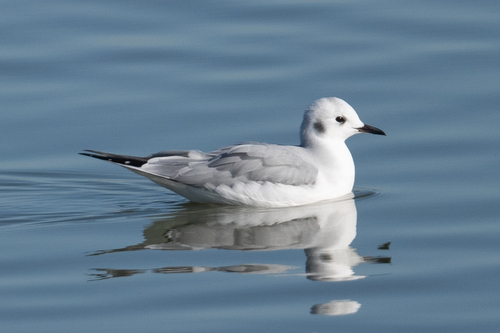 guincho-americano
 famego-americano
Em resumo
A marca de campo mais confiável entre o guincho-americano e o famego-americano é o padrão da asa inferior em voo: o guincho-americano de todas as idades apresenta uma asa inferior strikingly pálida, quase branca, enquanto o famego-americano tem asas inferiores mais sombreadas e acinzentadas com marcas escuras variáveis dependendo da idade. Os guinchos-americanos juvenis e de primeiro inverno mostram uma barra marrom na asa anterior e uma ponta de cauda preta, enquanto os famegos-americanos em plumagens semelhantes são geralmente mais marrons e borrados, com pontas de asas marrom-escuras e um padrão menos definido. Estruturalmente, o guincho-americano é muito menor, com um bico fino e preto e pernas rosadas a alaranjadas, em comparação com o famego-americano, que é maior, com asas mais longas, um bico amarelo (adulto), pernas amarelas e uma cabeça mais arredondada. Na plumagem de reprodução, o guincho-americano tem uma capuz preto completo, enquanto o famego-americano sempre tem uma cabeça branca com apenas manchas marrons fracas no inverno. O tamanho, a estrutura e o estilo de voo reforçam ainda mais a identificação quando a plumagem é ambígua.
Dicas de identificação
- Asa inferior em voo (todas as idades): O guincho-americano sempre mostra uma asa inferior muito pálida, quase branca, sem sombreamento escuro; o famego-americano tem uma asa inferior mais opaca e acinzentada, às vezes com marcas escuras, especialmente em imaturos.
- Asa superior juvenil/primeiro inverno: O guincho-americano tem uma barra marrom nítida na asa anterior e uma ponta de cauda preta; o famego-americano é mais marrom no geral, com marcas difusas e borradas e não possui uma barra distinta na asa anterior.
- Cor e forma do bico: O guincho-americano tem um bico curto, fino e preto em todas as idades. O famego-americano tem um bico mais robusto; em adultos, é amarelo sem ponta preta, em imaturos, é de base rosa com ponta preta.
- Cor das pernas: As pernas do guincho-americano são rosadas no inverno, alaranjadas no verão. O famego-americano tem pernas amarelas como adulto; imaturos podem ter pernas mais opacas, mas nunca rosadas.
- Padrão da cabeça (reprodução): O guincho-americano tem um capuz preto-ardósia completo na plumagem de reprodução; o famego-americano sempre tem uma cabeça branca, com apenas manchas marrons fracas no inverno.
- Padrão da cabeça (não reprodução/imaturo): O guincho-americano tem uma cabeça branca limpa ou manchas fracas; o famego-americano tem manchas marrons ou borradas mais extensas, especialmente em juvenis e aves de primeiro inverno.
- Tamanho e estrutura: O guincho-americano é muito menor, com uma aparência delicada, de bico fino e cabeça pequena. O famego-americano é maior, com uma cabeça mais arredondada e asas mais longas.
- Padrão da ponta da asa (adulto): A asa superior do guincho-americano acima mostra listras pretas e brancas nas primárias; o famego-americano tem um padrão de 'cordão de pérolas' (pontas brancas) nas primárias externas e uma borda de cauda branca larga.
- Padrão da cauda (imaturo): O guincho-americano mostra uma ponta de cauda preta no primeiro inverno; o famego-americano pode ter marcas escuras na cauda no segundo e terceiro anos, mas não uma ponta preta nítida.
- Estilo de voo: O guincho-americano é mais flutuante e semelhante a uma andorinha, frequentemente mergulhando e pegando na água; o famego-americano é mais estável e mais típico de gaivotas médias.
- Cor das partes nuas (adultos): O guincho-americano tem um bico preto e pernas rosadas a alaranjadas; o famego-americano tem um bico amarelo e pernas amarelas.
- Contexto de habitat: O guincho-americano é mais provável de ser visto em bandos ativos sobre a água, especialmente no interior; o famego-americano é mais costeiro no inverno, menos provável no interior, exceto durante a migração.
- Marcas de primeiro verão/segundo ano: O guincho-americano raramente mostra um capuz no primeiro verão (se presente, é opaco e incompleto); o famego-americano nunca mostra um capuz em nenhuma idade.
- Projeção primária: O famego-americano tem asas mais longas e estreitas em voo, dando uma aparência mais pontuda em comparação com as asas compactas e arredondadas do guincho-americano.
- Desgaste da plumagem: As aves de primeiro ano do guincho-americano tornam-se mais pálidas e mais desgastadas no verão, mas mantêm a barra marrom na asa anterior e a ponta de cauda preta; os imaturos do famego-americano permanecem mais marrons e mais borrados no geral.
Tamanho
O guincho-americano é significativamente menor (28–38 cm de comprimento, 76–84 cm de envergadura, 180–225 g) do que o famego-americano (40–45 cm de comprimento, 100–120 cm de envergadura). O guincho-americano está entre as menores gaivotas da América do Norte, notavelmente mais delicado e pequeno do que o famego-americano, que é a menor do complexo de 'gaivota comum', mas ainda assim muito maior que o guincho-americano. No campo, o guincho-americano parece ter uma cabeça pequena e um bico fino, enquanto o famego-americano parece mais robusto, com uma cabeça arredondada proporcionalmente maior e asas mais longas.
Plumagem
As aves juvenis/primeiro inverno são o ponto de confusão mais frequente:
- Guincho-americano (juvenil/primeiro inverno): Apresenta um dorso marrom, escamado e manchas marrons na cabeça como juvenil, transitando para um dorso cinza com uma barra marrom distinta na asa anterior, pontas secundárias escuras e uma ponta de cauda preta. A asa inferior é sempre pálida, sem qualquer sombreamento escuro ou marcas extensas. Menos de 5% mostram um capuz no primeiro verão, e se presente, é opaco e incompleto.
-
Famego-americano (juvenil/primeiro inverno): É geralmente mais marrom, com uma cabeça e pescoço borrados e marcados escuros, e pontas de asas marrons escuras. A asa superior não possui a barra marrom nítida da asa anterior do guincho-americano, mostrando em vez disso marcas mais difusas e escuras. O bico é de base rosa com uma ponta preta no primeiro inverno. A asa inferior é mais opaca e pode mostrar áreas acinzentadas ou sombreadas, especialmente nas pontas.
-
Adultos: O guincho-americano na plumagem de reprodução tem um capuz preto-ardósia completo, enquanto o famego-americano nunca o tem, sempre mantendo uma cabeça branca (com manchas marrons no inverno). A asa superior do guincho-americano adulto acima é cinza pálido com pontas de asas listradas em preto e branco; abaixo, toda a asa inferior é muito pálida. Os adultos do famego-americano têm asas longas e estreitas com um padrão de 'cordão de pérolas' (pontas brancas) nas primárias e uma borda de cauda branca larga, mas a asa inferior não é tão brilhante quanto a do guincho-americano. O famego-americano tem pernas e bico amarelos (sem ponta preta em adultos), enquanto o guincho-americano tem pernas rosadas a alaranjadas e um bico preto.
Comportamento
O guincho-americano é mais flutuante e semelhante a uma andorinha em voo, com movimentos rápidos e ágeis e frequentes mergulhos ou pegadas na superfície da água. O famego-americano parece mais estável e mais típico de gaivotas de tamanho médio, com asas mais longas e estreitas e um voo mais direto. Quando empoleirado, o guincho-americano muitas vezes parece mais delicado e ereto, enquanto o famego-americano é mais robusto e relaxado na postura.
Habitat
Ambas as espécies podem ocorrer juntas durante a migração e no inverno, especialmente ao longo das costas e grandes águas interiores no oeste da América do Norte. O guincho-americano é mais provável de ser encontrado em bandos sobre lagos, rios e estuários costeiros, frequentemente se alimentando ativamente sobre a água. O famego-americano se reproduz no Alasca e no noroeste do Canadá, inverna principalmente ao longo da costa do Pacífico e é menos provável de ser encontrado longe do interior ou a leste. O guincho-americano é mais amplamente distribuído durante a migração e no inverno, mas ambos são possíveis no noroeste do Pacífico.