

Motmot

ボナパルトカモメ 対 コカモメ

Chroicocephalus philadelphia 対 Larus brachyrhynchus

ボナパルトカモメとコカモメのクイズ
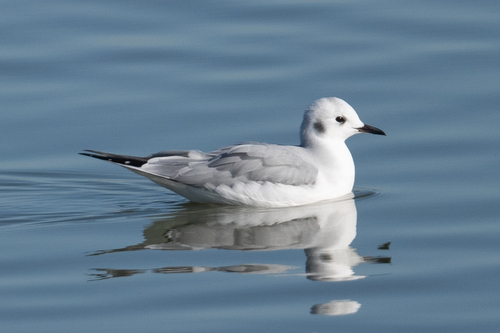
ボナパルトカモメ (Chroicocephalus philadelphia) ボナパルトカモメ
コカモメ (Larus brachyrhynchus) コカモメ

メディア

読み込み中…

要点

ボナパルトカモメとコカモメの間で最も信頼できるフィールドマークは、飛行中の下翼パターンです:すべての年齢のボナパルトカモメは、非常に淡い、ほぼ白い下翼を示しますが、コカモメは年齢によって異なる暗いマークがある、より影のある灰色の下翼を持っています。幼鳥と初冬のボナパルトカモメは前翼に茶色のバーと黒い尾先を示し、同様の羽色のコカモメは全体的に茶色がかり、ぼやけた印象で、暗い茶色の翼先とあまりはっきりしたパターンがありません。構造的には、ボナパルトカモメははるかに小さく、細く黒いくちばしとピンクがかったオレンジ色の脚を持ち、より大きく、長い翼を持つコカモメと比較されます。コカモメは(成鳥)黄色いくちばし、黄色い脚、丸い頭を持っています。繁殖羽では、ボナパルトカモメは完全な黒いフードを持ち、コカモメは冬にわずかに茶色のまだら模様のある白い頭を常に持っています。サイズ、構造、飛行スタイルは、羽色があいまいなときにIDをさらに強化します。

識別のコツ

  1. Underwing in flight (all ages): ボナパルトカモメは常に非常に淡い、ほぼ白い下翼を示し、暗い影はありません;コカモメは鈍い灰色の下翼を持ち、時々暗いマークがあり、特に幼鳥では顕著です。
  2. Juvenile/first-winter upperwing: ボナパルトカモメは前翼に鮮明な茶色のバーと黒い尾先を持っています;コカモメは全体的に茶色がかりで、ぼやけたマークがあり、明確な前翼バーがありません。
  3. Bill color and shape: ボナパルトカモメはすべての年齢で短く細い黒いくちばしを持っています。コカモメはより太いくちばしを持ち、成鳥では黄色で黒い先端はありませんが、幼鳥ではピンク色の基部に黒い先端があります。
  4. Leg color: ボナパルトカモメの脚は冬にピンクがかった赤、夏にオレンジがかった赤です。コカモメは成鳥として黄色い脚を持ち、幼鳥は鈍い脚を持つことがありますが、決してピンク色ではありません。
  5. Head pattern (breeding): ボナパルトカモメは繁殖羽で完全なスレートブラックのフードを持っています;コカモメは常に白い頭を持ち、冬にはわずかに茶色のまだら模様があります。
  6. Head pattern (non-breeding/immature): ボナパルトカモメは清潔な白い頭またはわずかなぼやけを持っています;コカモメは特に幼鳥や初冬の鳥で、より広範な茶色のまだら模様やぼやけを持っています。
  7. Size and structure: ボナパルトカモメははるかに小さく、華奢で細いくちばし、小さな頭の外観を持っています。コカモメはより大きく、丸い頭と長い翼を持っています。
  8. Wingtip pattern (adult): ボナパルトカモメの上翼は一次羽に黒と白のストライプを示します;コカモメは外側の一次羽に「真珠の糸」(白い舌先)を持ち、広い白い後縁があります。
  9. Tail pattern (immature): ボナパルトカモメは初冬に黒い尾先を示します;コカモメは2年目と3年目に尾に暗いマークがあるかもしれませんが、鮮明な黒い先端はありません。
  10. Flight style: ボナパルトカモメはより浮遊感があり、アジサシのようで、水面から頻繁に急降下したりついばんだりします;コカモメはより安定しており、中型カモメの典型的な飛行スタイルです。
  11. Bare part color (adults): ボナパルトカモメは黒いくちばしとピンクがかったオレンジ色の脚を持っています;コカモメは黄色いくちばしと黄色い脚を持っています。
  12. Habitat context: ボナパルトカモメは特に内陸の水上で活発な群れで見られる可能性が高いです;コカモメは冬に沿岸に多く、移動時以外は内陸では見られにくいです。
  13. First-summer/second-year marks: ボナパルトカモメは初夏にフードを示すことはまれです(存在する場合は鈍く不完全です);コカモメはどの年齢でもフードを示しません。
  14. Primary projection: コカモメは飛行中により長く狭い翼を持ち、ボナパルトカモメのコンパクトで丸い翼と比較してより尖った外観を与えます。
  15. Plumage wear: ボナパルトカモメの初年度の鳥は夏により淡く、より摩耗しますが、茶色の前翼バーと黒い尾先を保持します;コカモメの幼鳥は全体的により茶色がかりで、よりぼやけた印象を持ち続けます。

大きさ

ボナパルトカモメはコカモメ(40–45 cmの長さ、100–120 cmの翼幅)よりもかなり小さい(28–38 cmの長さ、76–84 cmの翼幅、180–225 g)です。ボナパルトカモメは北アメリカで最も小さなカモメの中にあり、コカモメよりも明らかに小さく、繊細です。コカモメは「カモメ」複合体の中で最も小さいですが、それでもボナパルトカモメよりはるかに大きいです。フィールドでは、ボナパルトカモメは小さな頭と細いくちばしを持っているように見え、コカモメはより大きく、丸い頭と長い翼を持つように見えます。

羽色

幼鳥/初冬の鳥は最も頻繁に混同されるポイントです:

行動

ボナパルトカモメは飛行中により浮遊感があり、アジサシのようで、素早く機敏な動きと水面からの頻繁な急降下やついばんでいます。コカモメはより安定しており、中型カモメの典型的な外観を持ち、より長く狭い翼とより直接的な飛行をしています。止まっているとき、ボナパルトカモメはしばしばより優雅で直立して見え、コカモメはより大きく、リラックスした姿勢に見えます。

生息環境

両種は移動中や冬に一緒に発生することがあり、特に北アメリカ西部の沿岸や大きな内陸水域で見られます。ボナパルトカモメは湖、川、沿岸の河口の上で群れで見られる可能性が高く、水上で活発に餌を取ることがよくあります。コカモメはアラスカとカナダ北西部で繁殖し、主に太平洋沿岸で冬を過ごし、内陸や東部では見られにくいです。ボナパルトカモメは移動中や冬により広範囲に分布していますが、両方とも太平洋北西部で見られる可能性があります。

より良い説明を送る

比較と同じ項目を使ってください。文章はすぐに公開されます。

The most reliable field mark between Bonaparte's Gull and Short-billed Gull is the underwing pattern in flight: Bonaparte's Gull of all ages shows a strikingly pale, almost white underwing, while Short-billed Gull has more shadowed, grayish underwings with variable dark markings depending on age. Juvenile and first-winter Bonaparte's Gulls show a brown bar across the forewing and a black tail tip, while Short-billed Gulls in similar plumages are overall browner and smudgier, with dark brown wingtips and a less clean-cut pattern. Structurally, Bonaparte's is much smaller, with a thin, black bill and pinkish to orangish legs, compared to the larger, longer-winged Short-billed Gull, which has a yellow bill (adult), yellow legs, and a rounder head. In breeding plumage, Bonaparte's Gull has a full black hood, while Short-billed Gull always has a white head with only faint brown mottling in winter. Size, structure, and flight style further reinforce the ID when plumage is ambiguous.

  1. Underwing in flight (all ages): Bonaparte's Gull always shows a very pale, almost white underwing with no dark shading; Short-billed Gull has a duller, grayish underwing, sometimes with dark markings, especially in immatures.
  2. Juvenile/first-winter upperwing: Bonaparte's has a crisp brown bar across the forewing and a black tail tip; Short-billed Gull is browner overall, with diffuse, smudgy markings and lacks a distinct forewing bar.
  3. Bill color and shape: Bonaparte's has a short, thin, black bill at all ages. Short-billed Gull has a stouter bill; in adults, it's yellow with no black tip, in immatures, pink-based with a black tip.
  4. Leg color: Bonaparte's legs are pinkish-red in winter, orangish-red in summer. Short-billed Gull has yellow legs as an adult; immatures may have duller legs but never pinkish.
  5. Head pattern (breeding): Bonaparte's Gull has a full, slaty-black hood in breeding plumage; Short-billed Gull always has a white head, with only faint brown mottling in winter.
  6. Head pattern (non-breeding/immature): Bonaparte's has a clean white head or faint smudging; Short-billed Gull has more extensive brown mottling or smudging, especially in juveniles and first-winter birds.
  7. Size and structure: Bonaparte's is much smaller, with a petite, fine-billed, small-headed look. Short-billed Gull is larger, with a rounder head and longer wings.
  8. Wingtip pattern (adult): Bonaparte's upperwing above shows black and white striping on the primaries; Short-billed Gull has a 'string of pearls' (white tongue tips) on the outer primaries and a broad white trailing edge.
  9. Tail pattern (immature): Bonaparte's shows a black tail tip in first-winter; Short-billed Gull may have dark markings on the tail in second and third years but not a crisp black tip.
  10. Flight style: Bonaparte's is more buoyant and tern-like, often dipping and picking at the water; Short-billed Gull is steadier and more typical of medium gulls.
  11. Bare part color (adults): Bonaparte's has a black bill and pinkish to orangish legs; Short-billed Gull has a yellow bill and yellow legs.
  12. Habitat context: Bonaparte's is more likely to be seen in active flocks over water, especially inland; Short-billed Gull is more coastal in winter, less likely inland except in migration.
  13. First-summer/second-year marks: Bonaparte's rarely shows a hood in first summer (if present, it's dull and incomplete); Short-billed Gull never shows a hood at any age.
  14. Primary projection: Short-billed Gull has longer, narrower wings in flight, giving a more pointed look compared to Bonaparte's compact, rounded wings.
  15. Plumage wear: Bonaparte's first-year birds become paler and more worn by summer, but retain the brown forewing bar and black tail tip; Short-billed Gull's immatures remain browner and more smudged overall.

Bonaparte's Gull is significantly smaller (28–38 cm length, 76–84 cm wingspan, 180–225 g) than Short-billed Gull (40–45 cm length, 100–120 cm wingspan). Bonaparte's is among the smallest gulls in North America, noticeably more petite and delicate than Short-billed, which is itself the smallest of the 'common gull' complex but still much larger than Bonaparte's. In the field, Bonaparte's appears small-headed and fine-billed, while Short-billed Gull looks chunkier with a proportionally larger, rounder head and longer wings.

Juvenile/first-winter birds are the most frequent confusion point:

  • Bonaparte's Gull (juvenile/first-winter): Shows a brown, scalloped back and patchy brown on the head as a juvenile, transitioning to a gray back with a distinct brown bar across the forewing, blackish secondary tips, and a black tail tip. The underwing is always pale, lacking any dark shading or extensive markings. Fewer than 5% show a hood in first summer, and if present, it is dull and incomplete.
  • Short-billed Gull (juvenile/first-winter): Is overall browner, with a smudgy, dark-marked head and neck, and dark brown wingtips. The upperwing lacks the crisp brown forewing bar of Bonaparte's, instead showing more diffuse, darker markings. The bill is pink-based with a black tip by first winter. Underwing is duller and can show grayish or shadowed areas, especially at the tips.

  • Adults: Bonaparte's Gull in breeding plumage has a full, slaty-black hood, while Short-billed Gull never does, always retaining a white head (with brown mottling in winter). Bonaparte's adult upperwing above is pale gray with black and white striped wingtips; below, the entire underwing is very pale. Short-billed Gull adults have long, narrow wings with a 'string of pearls' pattern (white tongue tips) on the primaries and broad white trailing edge, but the underwing is not as gleaming white as Bonaparte's. Short-billed Gull has yellow legs and bill (no black tip in adults), while Bonaparte's has pinkish-red to orangish-red legs and a black bill.

Bonaparte's Gull is more buoyant and tern-like in flight, with quick, agile movements and frequent dipping or picking from the water surface. Short-billed Gull appears steadier and more typical of medium-sized gulls, with longer, narrower wings and a more direct flight. When perched, Bonaparte's often looks daintier and more upright, while Short-billed Gull is bulkier and more relaxed in posture.

Both species can occur together in migration and winter, especially along coasts and large inland waters in western North America. Bonaparte's Gull is more likely to be found in flocks over lakes, rivers, and coastal estuaries, often feeding actively over water. Short-billed Gull breeds in Alaska and NW Canada, winters mainly along the Pacific coast, and is less likely to be found far inland or east. Bonaparte's is more widespread in migration and winter, but both are possible in the Pacific Northwest.

変更を破棄しますか?

保存していない編集があります。今離れると失われます。

ボナパルトカモメ · コカモメ · 苦手な鳥