

Bonapartemöwe vs Kurzschnabel-Sturmmöwe
Chroicocephalus philadelphia gegen Larus brachyrhynchus
Ein Quiz mit Bonapartemöwe und Kurzschnabel-Sturmmöwe spielen
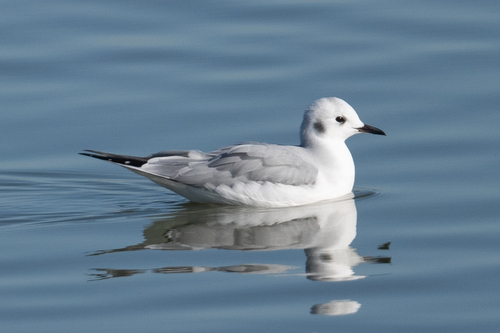 Bonapartemöwe
 Kurzschnabel-Sturmmöwe
Kurz gesagt
Das zuverlässigste Feldmerkmal zwischen Bonapartemöwe und Kurzschnabel-Sturmmöwe ist das Muster der Unterflügel im Flug: Bonapartemöwe aller Altersstufen zeigt einen auffällig hellen, fast weißen Unterflügel, während die Kurzschnabel-Sturmmöwe schattiertere, graue Unterflügel mit variablen dunklen Markierungen je nach Alter hat. Juvenile und erste Winter-Bonapartemöwen zeigen einen braunen Balken über dem Vorderflügel und eine schwarze Schwanzspitze, während Kurzschnabel-Sturmmöwen in ähnlichen Gefieder insgesamt brauner und unschärfer sind, mit dunkelbraunen Flügelspitzen und einem weniger klaren Muster. Strukturell ist die Bonapartemöwe viel kleiner, mit einem dünnen, schwarzen Schnabel und rötlich bis orangefarbenen Beinen, im Vergleich zur größeren, langflügeligen Kurzschnabel-Sturmmöwe, die einen gelben Schnabel (Erwachsene), gelbe Beine und einen runderen Kopf hat. Im Brutkleid hat die Bonapartemöwe eine volle schwarze Haube, während die Kurzschnabel-Sturmmöwe immer einen weißen Kopf mit nur schwachem braunem Sprenkel im Winter hat. Größe, Struktur und Flugstil verstärken die Identifikation, wenn das Gefieder mehrdeutig ist.
Bestimmungstipps
- Unterflügel im Flug (alle Altersstufen): Bonapartemöwe zeigt immer einen sehr hellen, fast weißen Unterflügel ohne dunkle Schattierungen; Kurzschnabel-Sturmmöwe hat einen stumpferen, grauen Unterflügel, manchmal mit dunklen Markierungen, besonders bei Jungvögeln.
- Juvenile/erste Winter-Oberflügel: Bonapartemöwe hat einen klaren braunen Balken über dem Vorderflügel und eine schwarze Schwanzspitze; Kurzschnabel-Sturmmöwe ist insgesamt brauner, mit diffusen, unscharfen Markierungen und hat keinen ausgeprägten Vorderflügelbalken.
- Schnabelfarbe und -form: Bonapartemöwe hat in allen Altersstufen einen kurzen, dünnen, schwarzen Schnabel. Kurzschnabel-Sturmmöwe hat einen kräftigeren Schnabel; bei Erwachsenen ist er gelb ohne schwarze Spitze, bei Jungvögeln ist er rosa-basiert mit einer schwarzen Spitze.
- Beinfarbe: Die Beine der Bonapartemöwe sind im Winter rötlich-rosa, im Sommer orange-rot. Kurzschnabel-Sturmmöwe hat als Erwachsene gelbe Beine; Jungvögel können stumpfere Beine haben, aber niemals rötlich.
- Kopfzeichnung (Brut): Bonapartemöwe hat im Brutkleid eine volle, schiefer-schwarze Haube; Kurzschnabel-Sturmmöwe hat immer einen weißen Kopf, mit nur schwachem braunem Sprenkel im Winter.
- Kopfzeichnung (Nicht-Brut/Jungvogel): Bonapartemöwe hat einen sauberen weißen Kopf oder schwache Sprenkel; Kurzschnabel-Sturmmöwe hat umfangreichere braune Sprenkel oder Sprenkel, besonders bei Jungvögeln und ersten Wintervögeln.
- Größe und Struktur: Bonapartemöwe ist viel kleiner, mit einem zierlichen, feinen Schnabel und einem kleinen Kopf. Kurzschnabel-Sturmmöwe ist größer, mit einem runderen Kopf und längeren Flügeln.
- Flügelspitzenmuster (Erwachsene): Bonapartemöwe zeigt oben schwarze und weiße Streifen auf den Primärflügeln; Kurzschnabel-Sturmmöwe hat ein 'Perlenband' (weiße Zungenspitzen) auf den äußeren Primärflügeln und einen breiten weißen Hinterrand.
- Schwanzmuster (Jungvogel): Bonapartemöwe zeigt eine schwarze Schwanzspitze im ersten Winter; Kurzschnabel-Sturmmöwe kann dunkle Markierungen auf dem Schwanz im zweiten und dritten Jahr haben, aber keine klare schwarze Spitze.
- Flugstil: Bonapartemöwe ist luftiger und ternsartig, oft tauchend und pickend auf dem Wasser; Kurzschnabel-Sturmmöwe ist stabiler und typischer für mittelgroße Möwen.
- Farbe der nackten Teile (Erwachsene): Bonapartemöwe hat einen schwarzen Schnabel und rötlich bis orangefarbene Beine; Kurzschnabel-Sturmmöwe hat einen gelben Schnabel und gelbe Beine.
- Habitatkontext: Bonapartemöwe wird eher in aktiven Schwärmen über Wasser gesehen, besonders im Binnenland; Kurzschnabel-Sturmmöwe ist im Winter eher küstennah, weniger wahrscheinlich im Binnenland, außer während der Migration.
- Erste Sommer-/zweite Jahresmerkmale: Bonapartemöwe zeigt selten eine Haube im ersten Sommer (wenn vorhanden, ist sie stumpf und unvollständig); Kurzschnabel-Sturmmöwe zeigt in keinem Alter eine Haube.
- Primärprojektion: Kurzschnabel-Sturmmöwe hat längere, schmalere Flügel im Flug, was einen spitzeren Look im Vergleich zu den kompakten, runden Flügeln der Bonapartemöwe ergibt.
- Gefiederabnutzung: Bonapartemöwe wird im ersten Jahr im Sommer blasser und abgenutzter, behält aber den braunen Vorderflügelbalken und die schwarze Schwanzspitze; die Jungvögel der Kurzschnabel-Sturmmöwe bleiben insgesamt brauner und unschärfer.
Größe
Bonapartemöwe ist signifikant kleiner (28–38 cm Länge, 76–84 cm Flügelspannweite, 180–225 g) als Kurzschnabel-Sturmmöwe (40–45 cm Länge, 100–120 cm Flügelspannweite). Bonapartemöwe gehört zu den kleinsten Möwen in Nordamerika, deutlich zierlicher und empfindlicher als die Kurzschnabel-Sturmmöwe, die selbst die kleinste der 'Sturmmöwen'-Gruppe ist, aber immer noch viel größer als die Bonapartemöwe. Im Feld erscheint die Bonapartemöwe mit kleinem Kopf und feinem Schnabel, während die Kurzschnabel-Sturmmöwe kräftiger aussieht mit einem verhältnismäßig größeren, runderen Kopf und längeren Flügeln.
Gefieder
Juvenile/erste Wintervögel sind der häufigste Verwechslungspunkt:
- Bonapartemöwe (juvenil/erste Winter): Zeigt einen braunen, geschuppten Rücken und fleckigen braunen Kopf als Juvenil, wechselt zu einem grauen Rücken mit einem ausgeprägten braunen Balken über dem Vorderflügel, schwärzlichen Sekundärspitzen und einer schwarzen Schwanzspitze. Der Unterflügel ist immer hell, ohne dunkle Schattierungen oder umfangreiche Markierungen. Weniger als 5% zeigen eine Haube im ersten Sommer, und wenn vorhanden, ist sie stumpf und unvollständig.
-
Kurzschnabel-Sturmmöwe (juvenil/erste Winter): Ist insgesamt brauner, mit einem unscharfen, dunkel markierten Kopf und Hals und dunkelbraunen Flügelspitzen. Der Oberflügel hat nicht den klaren braunen Vorderflügelbalken der Bonapartemöwe, sondern zeigt stattdessen diffusere, dunklere Markierungen. Der Schnabel ist rosa-basiert mit einer schwarzen Spitze im ersten Winter. Der Unterflügel ist stumpfer und kann graue oder schattierte Bereiche zeigen, besonders an den Spitzen.
-
Erwachsene: Bonapartemöwe im Brutkleid hat eine volle, schiefer-schwarze Haube, während Kurzschnabel-Sturmmöwe dies nie hat, immer einen weißen Kopf behält (mit braunem Sprenkel im Winter). Der Oberflügel der erwachsenen Bonapartemöwe ist hellgrau mit schwarz-weißen gestreiften Flügelspitzen; unten ist der gesamte Unterflügel sehr hell. Erwachsene Kurzschnabel-Sturmmöwe haben lange, schmale Flügel mit einem 'Perlenband'-Muster (weiße Zungenspitzen) auf den Primärflügeln und einem breiten weißen Hinterrand, aber der Unterflügel ist nicht so strahlend weiß wie der der Bonapartemöwe. Kurzschnabel-Sturmmöwe hat gelbe Beine und Schnabel (keine schwarze Spitze bei Erwachsenen), während Bonapartemöwe rötlich-rosa bis orange-rote Beine und einen schwarzen Schnabel hat.
Verhalten
Bonapartemöwe ist luftiger und ternsartig im Flug, mit schnellen, agilen Bewegungen und häufigem Tauchen oder Picken von der Wasseroberfläche. Kurzschnabel-Sturmmöwe erscheint stabiler und typischer für mittelgroße Möwen, mit längeren, schmaleren Flügeln und einem direkteren Flug. Wenn sie sitzt, sieht die Bonapartemöwe oft zierlicher und aufrechter aus, während die Kurzschnabel-Sturmmöwe massiger und entspannter in der Haltung ist.
Lebensraum
Beide Arten können während der Migration und im Winter zusammen auftreten, insbesondere entlang der Küsten und großen Binnengewässern in Nordamerika. Bonapartemöwe wird eher in Schwärmen über Seen, Flüssen und Küstenausläufern gefunden, oft aktiv über Wasser fressend. Kurzschnabel-Sturmmöwe brütet in Alaska und NW Kanada, überwintert hauptsächlich entlang der Pazifikküste und ist weniger wahrscheinlich weit im Inland oder im Osten zu finden. Bonapartemöwe ist während der Migration und im Winter weiter verbreitet, aber beide sind im pazifischen Nordwesten möglich.
Bonapartemöwe · Kurzschnabel-Sturmmöwe · Meine schwierigen Vögel