

Gabbiano di Bonaparte vs Short-billed Gull
Chroicocephalus philadelphia contro Larus brachyrhynchus
Fai un quiz con Gabbiano di Bonaparte e Short-billed Gull
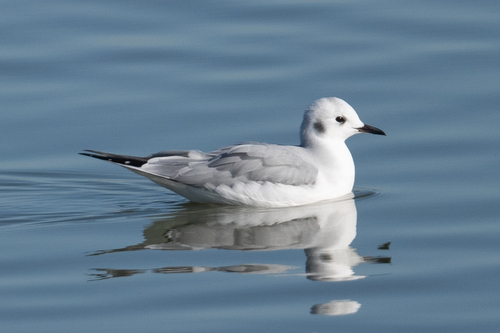 Gabbiano di Bonaparte
 Short-billed Gull
In breve
Il segno di campo più affidabile tra il Gabbiano di Bonaparte e il Short-billed Gull è il motivo dell'ala inferiore in volo: il Gabbiano di Bonaparte di tutte le età mostra un'ala inferiore sorprendentemente chiara, quasi bianca, mentre il Short-billed Gull ha ali inferiori più ombreggiate e grigiastre con marcature scure variabili a seconda dell'età. I Gabbiani di Bonaparte juvenili e di primo inverno mostrano una barra marrone sull'ala anteriore e una punta nera della coda, mentre i Short-billed Gull in piumaggi simili sono complessivamente più marroni e sfocati, con punte delle ali marroni scure e un motivo meno definito. Strutturalmente, il Gabbiano di Bonaparte è molto più piccolo, con un becco sottile e nero e zampe rosa-rossastre, rispetto al più grande e con ali più lunghe Short-billed Gull, che ha un becco giallo (adulto), zampe gialle e una testa più rotonda. In piumaggio di riproduzione, il Gabbiano di Bonaparte ha un cappuccio nero completo, mentre il Short-billed Gull ha sempre una testa bianca con solo una leggera maculatura marrone in inverno. Dimensioni, struttura e stile di volo rafforzano ulteriormente l'identificazione quando il piumaggio è ambiguo.
Consigli di identificazione
- Underwing in flight (all ages): Il Gabbiano di Bonaparte mostra sempre un'ala inferiore molto chiara, quasi bianca, senza ombreggiature scure; il Short-billed Gull ha un'ala inferiore più opaca e grigiasta, a volte con marcature scure, specialmente negli immaturi.
- Juvenile/first-winter upperwing: Il Gabbiano di Bonaparte ha una barra marrone netta sull'ala anteriore e una punta nera della coda; il Short-billed Gull è complessivamente più marrone, con marcature sfocate e opache e manca di una barra netta sull'ala anteriore.
- Bill color and shape: Il Gabbiano di Bonaparte ha un becco corto, sottile e nero a tutte le età. Il Short-billed Gull ha un becco più robusto; negli adulti, è giallo senza punta nera, negli immaturi, rosa alla base con una punta nera.
- Leg color: Le zampe del Gabbiano di Bonaparte sono rosa-rossastre in inverno, arancione-rossastre in estate. Il Short-billed Gull ha zampe gialle da adulto; gli immaturi possono avere zampe più opache ma mai rosa.
- Head pattern (breeding): Il Gabbiano di Bonaparte ha un cappuccio nero completo in piumaggio di riproduzione; il Short-billed Gull ha sempre una testa bianca, con solo una leggera maculatura marrone in inverno.
- Head pattern (non-breeding/immature): Il Gabbiano di Bonaparte ha una testa bianca pulita o una leggera maculatura; il Short-billed Gull ha una maculatura marrone più estesa o sfocata, specialmente nei juvenili e negli uccelli di primo inverno.
- Size and structure: Il Gabbiano di Bonaparte è molto più piccolo, con un aspetto delicato, con becco fine e testa piccola. Il Short-billed Gull è più grande, con una testa più rotonda e ali più lunghe.
- Wingtip pattern (adult): L'ala superiore del Gabbiano di Bonaparte mostra strisce nere e bianche sulle primarie; il Short-billed Gull ha un motivo a 'filiera di perle' (punta bianca delle ali) sulle primarie esterne e un ampio bordo bianco posteriore.
- Tail pattern (immature): Il Gabbiano di Bonaparte mostra una punta nera della coda nel primo inverno; il Short-billed Gull può avere marcature scure sulla coda nei secondi e terzi anni ma non una punta nera netta.
- Flight style: Il Gabbiano di Bonaparte è più galleggiante e simile a una sterna, spesso tuffandosi e raccogliendo dall'acqua; il Short-billed Gull è più stabile e più tipico dei gabbiani di media grandezza.
- Bare part color (adults): Il Gabbiano di Bonaparte ha un becco nero e zampe rosa-rossastre; il Short-billed Gull ha un becco giallo e zampe gialle.
- Habitat context: Il Gabbiano di Bonaparte è più probabile che venga visto in gruppi attivi sopra l'acqua, specialmente nell'entroterra; il Short-billed Gull è più costiero in inverno, meno probabile nell'entroterra tranne che in migrazione.
- First-summer/second-year marks: Il Gabbiano di Bonaparte raramente mostra un cappuccio nel primo estate (se presente, è opaco e incompleto); il Short-billed Gull non mostra mai un cappuccio a nessuna età.
- Primary projection: Il Short-billed Gull ha ali più lunghe e più strette in volo, dando un aspetto più appuntito rispetto alle ali compatte e arrotondate del Gabbiano di Bonaparte.
- Plumage wear: I giovani del Gabbiano di Bonaparte diventano più chiari e più usurati in estate, ma mantengono la barra marrone sull'ala anteriore e la punta nera della coda; gli immaturi del Short-billed Gull rimangono più marroni e più sfocati nel complesso.
Taglia
Il Gabbiano di Bonaparte è significativamente più piccolo (28–38 cm di lunghezza, 76–84 cm di apertura alare, 180–225 g) rispetto al Short-billed Gull (40–45 cm di lunghezza, 100–120 cm di apertura alare). Il Gabbiano di Bonaparte è tra i gabbiani più piccoli del Nord America, visibilmente più delicato e fine rispetto al Short-billed, che è esso stesso il più piccolo del complesso 'gavina comune' ma comunque molto più grande del Gabbiano di Bonaparte. Sul campo, il Gabbiano di Bonaparte appare con una testa piccola e un becco fine, mentre il Short-billed Gull appare più massiccio con una testa rotonda e ali più lunghe.
Piumaggio
Gli uccelli juvenili/di primo inverno sono il punto di confusione più frequente:
- Gabbiano di Bonaparte (juvenile/first-winter): Mostra un dorso marrone a scaglie e macchie marroni sulla testa da giovane, passando a un dorso grigio con una barra marrone distintiva sull'ala anteriore, punte secondarie nere e una punta nera della coda. L'ala inferiore è sempre chiara, priva di ombreggiature scure o marcature estese. Meno del 5% mostrano un cappuccio nel primo estate, e se presente, è opaco e incompleto.
-
Short-billed Gull (juvenile/first-winter): È complessivamente più marrone, con una testa e un collo macchiati scuri e punte delle ali marroni scure. L'ala superiore manca della barra marrone netta dell'ala anteriore del Gabbiano di Bonaparte, mostrando invece marcature più diffuse e scure. Il becco è rosa alla base con una punta nera nel primo inverno. L'ala inferiore è più opaca e può mostrare aree grigiastre o ombreggiate, specialmente alle punte.
-
Adults: Il Gabbiano di Bonaparte in piumaggio di riproduzione ha un cappuccio nero completo, mentre il Short-billed Gull non lo ha mai, mantenendo sempre una testa bianca (con maculatura marrone in inverno). L'ala superiore dell'adulto del Gabbiano di Bonaparte è grigia chiara con punte delle ali a strisce nere e bianche; sotto, l'intera ala inferiore è molto chiara. Gli adulti del Short-billed Gull hanno ali lunghe e strette con un motivo a 'filiera di perle' (punta bianca delle ali) sulle primarie e un ampio bordo bianco posteriore, ma l'ala inferiore non è così bianca splendente come quella del Gabbiano di Bonaparte. Il Short-billed Gull ha zampe e becco gialli (senza punta nera negli adulti), mentre il Gabbiano di Bonaparte ha zampe rosa-rossastre e un becco nero.
Comportamento
Il Gabbiano di Bonaparte è più galleggiante e simile a una sterna in volo, con movimenti rapidi e agili e frequenti tuffi o raccolte dalla superficie dell'acqua. Il Short-billed Gull appare più stabile e più tipico dei gabbiani di media grandezza, con ali più lunghe e strette e un volo più diretto. Quando è posato, il Gabbiano di Bonaparte appare spesso più delicato e più eretto, mentre il Short-billed Gull è più massiccio e più rilassato nella postura.
Habitat
Entrambe le specie possono verificarsi insieme in migrazione e in inverno, specialmente lungo le coste e le grandi acque interne nel nord-ovest del Nord America. Il Gabbiano di Bonaparte è più probabile che venga trovato in gruppi sopra laghi, fiumi e estuari costieri, spesso nutrendosi attivamente sopra l'acqua. Il Short-billed Gull nidifica in Alaska e nel Canada nord-occidentale, sverna principalmente lungo la costa del Pacifico ed è meno probabile che venga trovato lontano nell'entroterra o a est. Il Gabbiano di Bonaparte è più diffuso in migrazione e in inverno, ma entrambi sono possibili nel Pacifico nord-occidentale.
Gabbiano di Bonaparte · Short-billed Gull · I miei uccelli difficili