

picoteiro vs japanese waxwing
Bombycilla garrulus versus Bombycilla japonica
Jogue um quiz com picoteiro e japanese waxwing
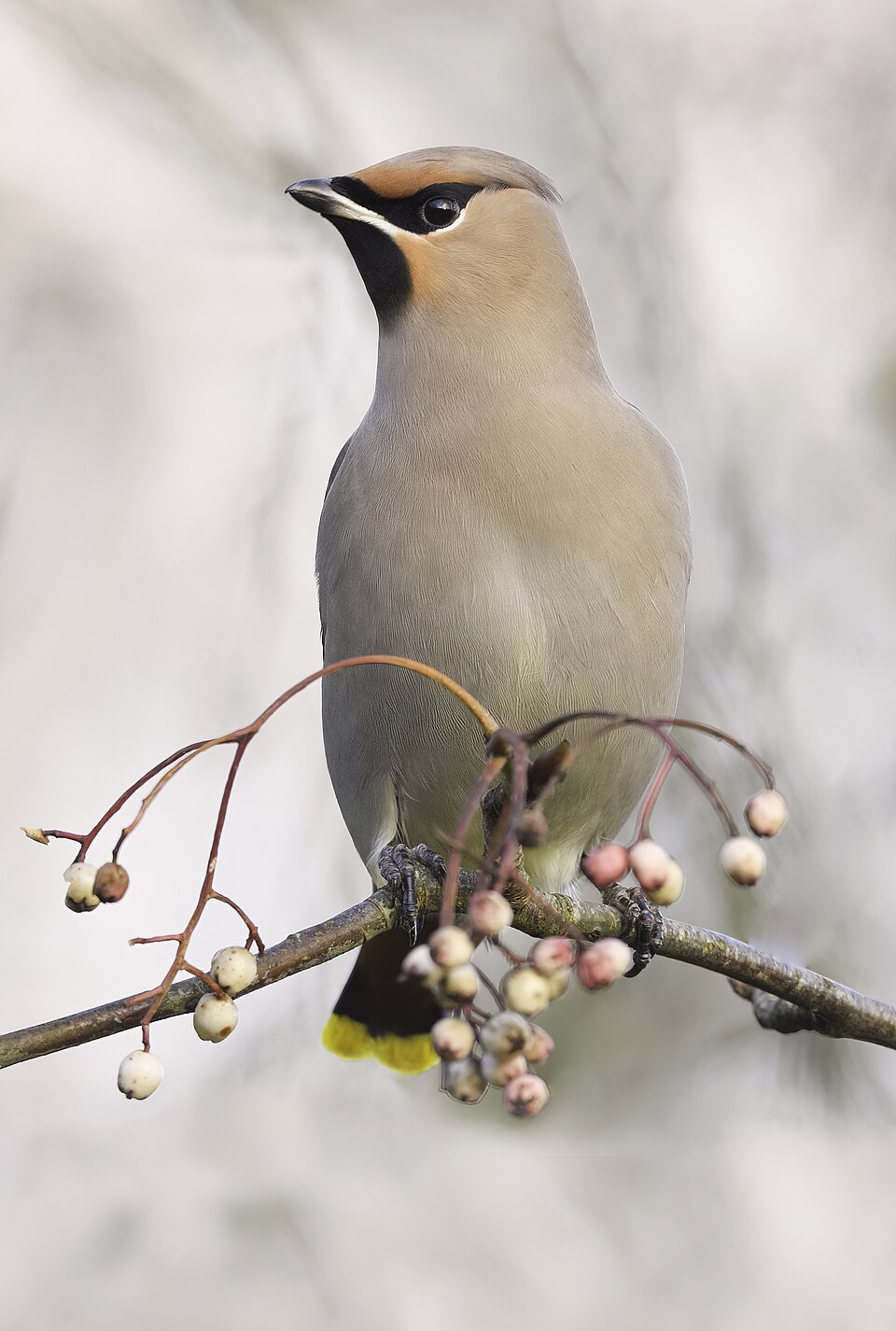 picoteiro
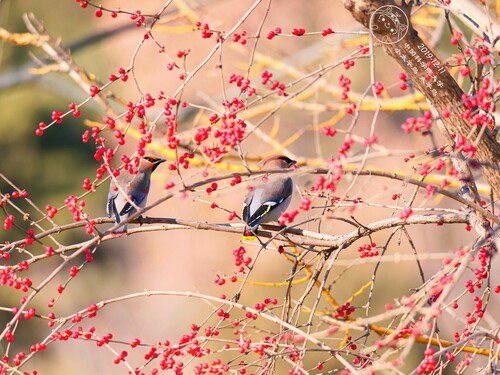 japanese waxwing
Em resumo
A maneira mais confiável de separar picoteiro e japanese waxwing é pela cor da ponta da cauda: o picoteiro apresenta uma ponta da cauda amarela brilhante, enquanto o japanese waxwing tem uma ponta da cauda vermelha com uma borda preta. Em voo ou empoleirados, os adultos do picoteiro exibem marcas de asas brancas e amarelas ousadas e múltiplas pontas cerosas vermelhas nas secundárias (ambos os sexos), enquanto o japanese waxwing tem uma barra de asa marrom-avermelhada mais difusa e pontas cerosas vermelhas apenas nos machos. O picoteiro é ligeiramente maior e mais robusto, com tons cinza-amarelados, enquanto o japanese waxwing é marrom-avermelhado com um centro de barriga amarelo pálido e uma cauda inferior avermelhada. As aves imaturas e fêmeas são mais complicadas, mas a ausência de amarelo na cauda e a presença de uma barra de asa avermelhada no japanese são fundamentais. Ambas as espécies podem se reunir no inverno, então é necessário prestar atenção cuidadosa a esses detalhes.
Dicas de identificação
- A cor da ponta da cauda é a verificação mais rápida: O picoteiro sempre mostra uma ponta da cauda larga e amarela brilhante (adultos e imaturos), enquanto o japanese waxwing tem uma ponta da cauda vermelha com borda preta. Isso é visível tanto empoleirado quanto em voo.
- Padrão de asas (adultos): Os adultos do picoteiro têm uma faixa amarela ousada nas primárias e marcas brancas em forma de 'gancho de peixe' na asa fechada. O japanese waxwing não possui isso; em vez disso, procure uma barra marrom-avermelhada difusa nas coberturas maiores.
- Pontas cerosas vermelhas: O picoteiro (ambos os sexos) mostra múltiplas pontas cerosas vermelhas nas secundárias (6–8 nos machos, 5–7 nas fêmeas), frequentemente em forma de gota. O japanese waxwing mostra apenas pontas vermelhas nos machos, e estas são menos numerosas e menos proeminentes; as fêmeas geralmente não as possuem.
- Cor da barriga: O picoteiro tem uma barriga inferior castanha rica, enquanto o japanese waxwing tem um centro de barriga amarelo pálido. Isso pode ser sutil, mas é útil em vistas próximas.
- Coberturas da cauda inferior: O japanese waxwing tem coberturas da cauda inferior avermelhadas, contrastando com o resto das partes inferiores; o picoteiro não tem.
- Padrão facial: Ambos têm uma máscara e garganta pretas, mas a máscara do picoteiro é mais larga e a mancha da garganta é mais bem definida (especialmente nos machos). A máscara do japanese é mais estreita e o preto não se estende tanto.
- Barra de asa: Apenas o japanese waxwing tem uma barra marrom-avermelhada difusa nas coberturas maiores; o picoteiro não possui essa característica.
- Cor do rabo: Ambos têm rabos cinzas, mas isso não é um separador forte.
- Padrão de asas juvenil/imaturo: Os pássaros do primeiro inverno do picoteiro não têm a marcante 'marca de tique' branca na borda traseira das primárias e têm uma borda de liderança mais clara (branca ou amarelo muito pálido). Os imaturos do japanese são menos bem descritos, mas a ausência de amarelo na cauda e a barra de asa avermelhada permanecem pistas.
- Tamanho e estrutura: O picoteiro é maior e mais robusto, mas isso só é óbvio em comparação direta ou em bandos mistos.
- Diferenças sexuais: No japanese waxwing, apenas os machos têm pontas cerosas vermelhas nas secundárias; as fêmeas não as possuem. No picoteiro, ambos os sexos têm pontas vermelhas, embora as fêmeas tenham menos.
- Voo: Ambas as espécies têm voo rápido e direto com asas longas e caudas curtas, mas o picoteiro pode parecer ligeiramente mais robusto.
- Contexto de habitat: No sul do Japão e em Taiwan no inverno, o japanese waxwing é mais provável, mas ambas as espécies podem ocorrer juntas, especialmente em áreas ricas em frutas.
- Bandos mistos: Se você vê pássaros com caudas amarelas e vermelhas juntos, provavelmente está observando um bando misto; verifique cada pássaro cuidadosamente.
- Armadilhas: Os picoteiros imaturos podem mostrar amarelo reduzido e menos pontas vermelhas, fazendo-os se parecerem com o japanese, mas a ponta da cauda amarela e a falta de barra de asa avermelhada permanecem confiáveis. As fêmeas do japanese que não têm pontas vermelhas podem ser confundidas com o picoteiro, mas a cauda e a barra de asa ainda os separam.
Tamanho
O picoteiro é o maior dos dois, tipicamente do tamanho de um estorninho, com 19–23 cm de comprimento e pesando cerca de 55 g (embora algumas fontes sugiram um pouco mais). O japanese waxwing é menor, com 15–18 cm e 54–64 g. A diferença é sutil no campo, mas o picoteiro parece mais robusto e com cauda mais longa, especialmente em bandos mistos. Ambos têm uma crista pontuda e proporções semelhantes, então o tamanho sozinho raramente é diagnóstico, a menos que as aves estejam lado a lado.
Plumagem
A idade e o sexo são cruciais para separar essas espécies pela plumagem:
-
Adultos: Os adultos do picoteiro têm um corpo cinza-amarelado, máscara facial e garganta pretas, uma ponta da cauda amarela larga e asas com uma faixa amarela marcante e marcas brancas em forma de 'gancho de peixe' nas primárias. Ambos os sexos têm múltiplas pontas cerosas vermelhas nas secundárias (6–8 nos machos, 5–7 nas fêmeas). Os adultos do japanese waxwing são marrom-avermelhados com uma máscara e garganta pretas, uma ponta da cauda vermelha com borda preta e uma barra marrom-avermelhada difusa nas coberturas maiores. Apenas os machos têm pontas cerosas vermelhas nas secundárias, e estas são menos numerosas e não têm a forma de 'gota' do picoteiro. O centro da barriga é amarelo pálido, e as coberturas da cauda inferior são avermelhadas.
-
Primeiro inverno/imaturo: Os pássaros do primeiro inverno do picoteiro não têm a marcante 'marca de tique' branca na asa e têm uma borda de liderança mais clara (branca ou amarelo muito pálido) nas primárias. A ponta da cauda amarela é mais estreita, e há menos pontas cerosas vermelhas (machos: 4–6, fêmeas: 1–5 ou nenhuma). Os imaturos do japanese são menos bem descritos, mas a ausência de amarelo na cauda e a presença da barra de asa avermelhada permanecem úteis.
-
Juvenis: Os juvenis do picoteiro são mais apagados, com partes inferiores brancas listradas, preto reduzido na garganta e uma máscara menor. Os juvenis do japanese não são descritos em detalhes, mas devem carecer dos fortes contrastes dos adultos.
-
Em voo: O picoteiro mostra uma ponta da cauda amarela marcante e um padrão de asas forte; o japanese mostra uma ponta da cauda vermelha e uma asa mais suave com uma barra avermelhada.
Comportamento
Ambas as espécies são altamente sociais, frequentemente formando grandes bandos, especialmente no inverno, e podem ser encontradas juntas em grupos mistos. Seu voo é rápido e direto, lembrando os estorninhos, com asas longas e caudas curtas. O picoteiro é descrito como se movendo facilmente através de árvores e arbustos, mas se arrastando no chão. Nenhuma diferença comportamental significativa é observada que separaria confiavelmente as espécies no campo.
Habitat
O picoteiro se reproduz em florestas do norte do Paleártico e da América do Norte, favorecendo florestas coníferas ou mistas. O japanese waxwing se reproduz mais ao sul em densas florestas coníferas do Extremo Oriente Russo e do nordeste da China. No inverno, ambas as espécies se sobrepõem extensivamente na Ásia Oriental, frequentando florestas abertas, terras agrícolas, parques e jardins com abundância de frutas. O japanese waxwing é mais numeroso no sul do Japão no inverno, enquanto o picoteiro é mais ao norte, mas ambos podem ocorrer juntos onde a comida é abundante.
Voz
O japanese waxwing emite um trinado agudo, mas não possui uma verdadeira canção. A voz do picoteiro não é descrita nas notas fornecidas, então as vocalizações não são um separador confiável no campo com base nas informações disponíveis.