

Beccofrusone vs Japanese Waxwing
Bombycilla garrulus contro Bombycilla japonica
Fai un quiz con Beccofrusone e Japanese Waxwing
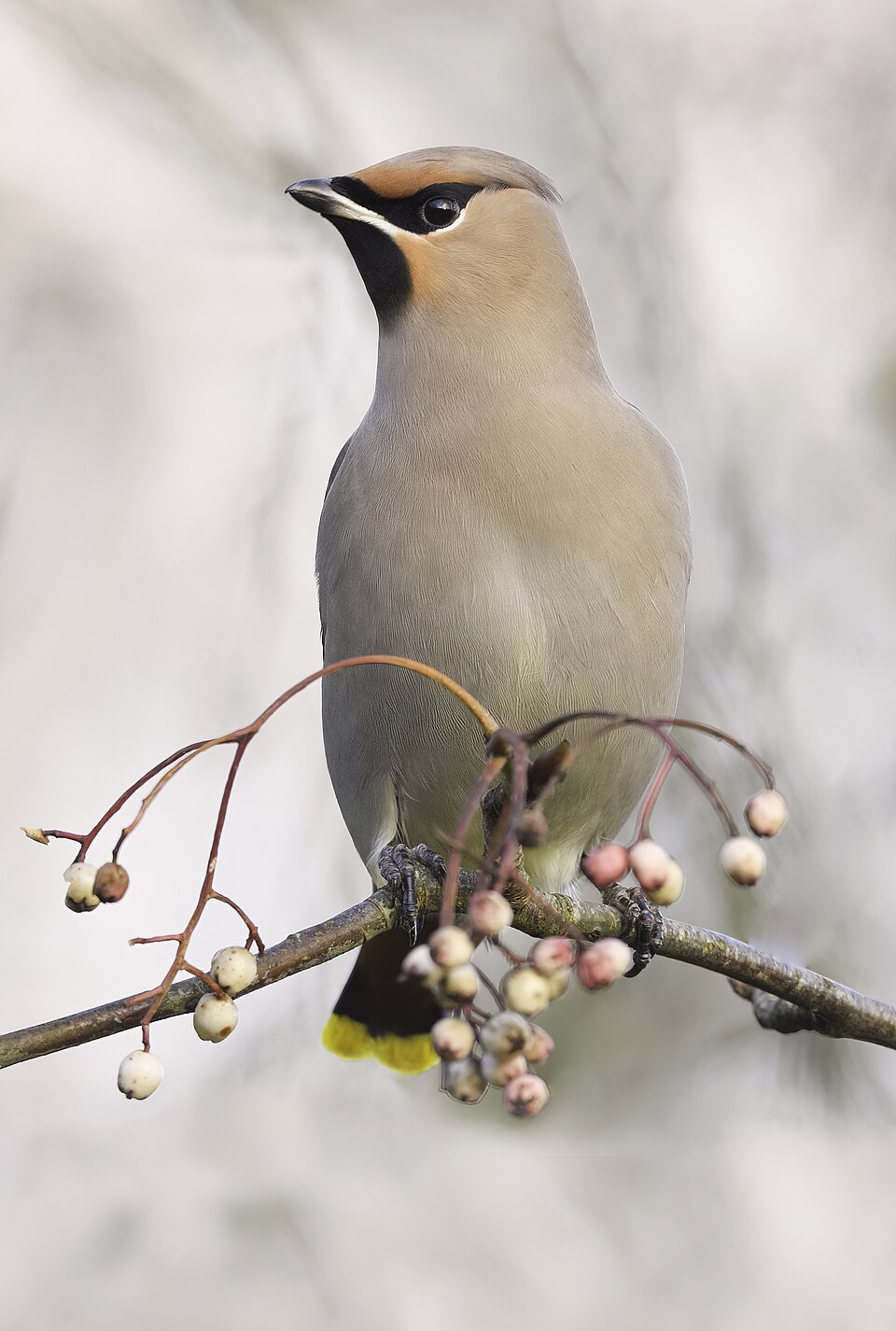 Beccofrusone
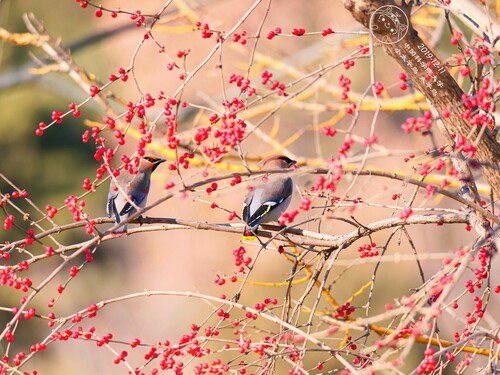 Japanese Waxwing
In breve
Il modo più affidabile per separare Beccofrusone e Japanese Waxwing è il colore della punta della coda: Beccofrusone mostra una punta della coda gialla brillante, mentre Japanese Waxwing ha una punta della coda rossa con un bordo nero. In volo o posati, gli adulti di Beccofrusone mostrano marcature audaci bianche e gialle sulle ali e molteplici punte cerose rosse sulle secondarie (entrambi i sessi), mentre Japanese Waxwing ha una barra alare rossastra più diffusa e punte cerose rosse solo nei maschi. Beccofrusone è leggermente più grande e massiccio, con toni grigio-buff, mentre Japanese Waxwing è marrone-rosato con un centro della pancia giallo pallido e un sottocoda rosso-ruggine. Gli uccelli immaturi e femminili sono più difficili da distinguere, ma l'assenza di giallo nella coda e la presenza di una barra alare rossastra in Japanese sono elementi chiave. Entrambe le specie possono riunirsi in inverno, quindi è necessaria un'attenta attenzione a questi dettagli.
Consigli di identificazione
- Il colore della punta della coda è il controllo più veloce: Beccofrusone mostra sempre una punta della coda larga e gialla brillante (adulti e immaturi), mentre Japanese Waxwing ha una punta della coda rossa bordata di nero. Questo è visibile sia posato che in volo.
- Schema alare (adulti): Gli adulti di Beccofrusone hanno una striscia gialla audace sulle primarie e segni bianchi a forma di 'gancio da pesca' sull'ala chiusa. Japanese Waxwing non ha questi; cerca invece una barra rossastra diffusa attraverso le copritrici maggiori.
- Punte cerose rosse: Beccofrusone (entrambi i sessi) mostra molteplici punte cerose rosse sulle secondarie (6–8 nei maschi, 5–7 nelle femmine), spesso a forma di goccia. Japanese Waxwing mostra punte rosse solo nei maschi, e queste sono meno numerose e meno prominenti; le femmine di solito non le hanno affatto.
- Colore della pancia: Beccofrusone ha una pancia inferiore castagna ricca, mentre Japanese ha un centro della pancia giallo pallido. Questo può essere sottile ma è utile in visioni ravvicinate.
- Copritrici del sottocoda: Japanese Waxwing ha copritrici del sottocoda rosso-ruggine, in contrasto con il resto delle parti inferiori; Beccofrusone non ha.
- Schema facciale: Entrambi hanno una maschera nera e una gola, ma la maschera di Beccofrusone è più ampia e la macchia della gola è più nettamente definita (soprattutto nei maschi). La maschera di Japanese è più stretta e il nero non si estende così lontano.
- Barra alare: Solo Japanese Waxwing ha una barra rossastra diffusa attraverso le copritrici maggiori; Beccofrusone non ha questa caratteristica.
- Colore del dorso: Entrambi hanno dorsi grigi, ma questo non è un forte separatore.
- Schema alare giovanile/immaturo: Gli uccelli di Beccofrusone del primo inverno non hanno il marcato segno bianco 'tick' sul bordo posteriore delle primarie e hanno un bordo anteriore più chiaro (bianco o giallo pallido). Gli immaturi di Japanese sono meno ben descritti, ma l'assenza di giallo nella coda e la barra alare rossastra rimangono indizi.
- Dimensioni e struttura: Beccofrusone è più grande e massiccio, ma questo è evidente solo in confronto diretto o in stormi misti.
- Differenze sessuali: In Japanese Waxwing, solo i maschi hanno punte cerose rosse sulle secondarie; le femmine non le hanno. In Beccofrusone, entrambi i sessi hanno punte rosse, anche se le femmine ne hanno meno.
- Volo: Entrambe le specie hanno un volo veloce e diretto con ali lunghe e code corte, ma Beccofrusone può apparire leggermente più massiccio.
- Contesto dell'habitat: Nel sud del Giappone e a Taiwan in inverno, Japanese Waxwing è più probabile, ma entrambe le specie possono verificarsi insieme, specialmente in aree ricche di bacche.
- Stormi misti: Se vedi insieme uccelli con code gialle e rosse, è probabile che tu stia osservando uno stormo misto; controlla attentamente ogni uccello.
- Trappole: Gli immaturi di Beccofrusone possono mostrare giallo ridotto e meno punte rosse, facendoli somigliare a Japanese, ma la punta gialla della coda e l'assenza di barra alare rossastra rimangono affidabili. Le femmine di Japanese che mancano di punte rosse possono essere confuse con Beccofrusone, ma la coda e la barra alare li separano ancora.
Taglia
Beccofrusone è il più grande dei due, tipicamente delle dimensioni di uno storno, con una lunghezza di 19–23 cm e un peso di circa 55 g (anche se alcune fonti suggeriscono un valore leggermente più alto). Japanese Waxwing è più piccolo, con una lunghezza di 15–18 cm e un peso di 54–64 g. La differenza è sottile sul campo, ma Beccofrusone appare più massiccio e con una coda più lunga, specialmente in stormi misti. Entrambi hanno una cresta appuntita e proporzioni simili, quindi la dimensione da sola è raramente diagnostica a meno che gli uccelli non siano affiancati.
Piumaggio
L'età e il sesso sono cruciali per separare queste specie in base al piumaggio:
-
Adulti: Gli adulti di Beccofrusone hanno un corpo grigio-buff, una maschera facciale e una gola nere, una punta della coda gialla ampia e ali con una striscia gialla sorprendente e segni bianchi a forma di 'gancio da pesca' sulle primarie. Entrambi i sessi hanno molteplici punte cerose rosse sulle secondarie (6–8 nei maschi, 5–7 nelle femmine). Gli adulti di Japanese Waxwing sono marrone-rosati con una maschera e una gola nere, una punta della coda rossa bordata di nero e una barra rossastra diffusa attraverso le copritrici maggiori. Solo i maschi hanno punte cerose rosse sulle secondarie, e queste sono meno numerose e mancano della forma a 'goccia' di Beccofrusone. Il centro della pancia è giallo pallido e le copritrici del sottocoda sono rosso-ruggine.
-
Primo inverno/immaturo: Gli uccelli di Beccofrusone del primo inverno non hanno il marcato segno bianco 'tick' sull'ala e hanno un bordo anteriore più chiaro (bianco o giallo molto pallido) sulle primarie. La punta gialla della coda è più stretta e ci sono meno punte cerose rosse (maschi: 4–6, femmine: 1–5 o nessuna). Gli immaturi di Japanese sono meno ben descritti, ma l'assenza di giallo nella coda e la presenza della barra alare rossastra rimangono utili.
-
Giovanili: I giovanili di Beccofrusone sono più opachi, con parti inferiori striate e più bianche, ridotto nero sulla gola e una maschera più piccola. I giovanili di Japanese non sono descritti in dettaglio, ma dovrebbero mancare dei forti contrasti degli adulti.
-
In volo: Beccofrusone mostra una punta della coda gialla audace e un forte schema alare; Japanese mostra una punta della coda rossa e un'ala più attenuata con una barra rossastra.
Comportamento
Entrambe le specie sono altamente sociali, formando spesso grandi stormi, specialmente in inverno, e possono essere trovate insieme in gruppi misti. Il loro volo è veloce e diretto, simile a quello degli storni, con ali lunghe e code corte. Beccofrusone è descritto come capace di arrampicarsi facilmente tra alberi e cespugli, ma di muoversi lentamente a terra. Non sono state notate differenze comportamentali significative che possano separarle in modo affidabile sul campo.
Habitat
Beccofrusone nidifica nelle foreste settentrionali del Paleartico e del Nord America, preferendo boschi di conifere o misti. Japanese Waxwing nidifica più a sud in dense foreste di conifere del Far East russo e della Cina nord-orientale. In inverno, entrambe le specie si sovrappongono ampiamente nell'Asia orientale, frequentando boschi aperti, terreni agricoli, parchi e giardini con abbondanza di bacche. Japanese Waxwing è più numeroso nel sud del Giappone in inverno, mentre Beccofrusone è più settentrionale, ma entrambe possono verificarsi insieme dove il cibo è abbondante.
Voce
Japanese Waxwing emette un trill acuto ma manca di un vero canto. La voce di Beccofrusone non è descritta nelle note fornite, quindi le vocalizzazioni non sono un separatore affidabile sul campo basato sulle informazioni disponibili.