

black-throated gray warbler vs townsend's warbler
Setophaga nigrescens versus Setophaga townsendi
Jogue um quiz com black-throated gray warbler e townsend's warbler
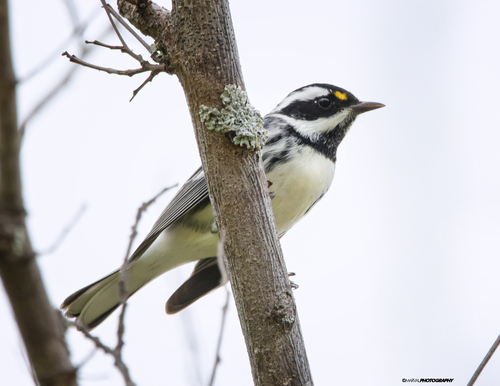 black-throated gray warbler
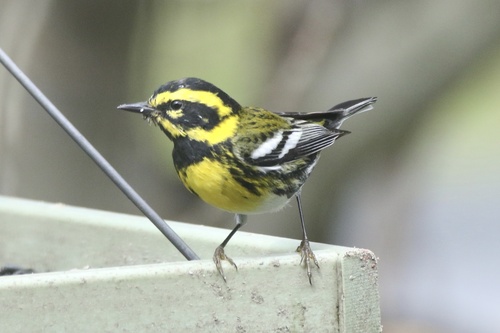 townsend's warbler
Em resumo
A marca de campo mais confiável entre black-throated gray warbler e townsend's warbler é o padrão facial: black-throated gray mostra uma pequena mancha amarela na frente do olho e listras pretas e brancas ousadas na cabeça, enquanto townsend's tem um rosto amarelo brilhante com uma grossa mancha preta na bochecha. Ambos os machos têm gargantas pretas, mas as fêmeas e os imaturos diferem: a fêmea black-throated gray tem uma garganta branca, enquanto a fêmea townsend's tem uma garganta amarela. Em todas as idades, procure as partes superiores oliva do townsend's warbler e um amarelo mais extenso no rosto e nas partes inferiores, em comparação com a coloração geral cinza e branca do black-throated gray. Essas diferenças são visíveis tanto em aves empoleiradas quanto em forrageamento, mas podem ser sutis em luz fraca ou em visões rápidas.
Dicas de identificação
- O padrão facial é a chave: Black-throated gray warbler mostra uma pequena mancha amarela na frente do olho (lores) e listras pretas e brancas ousadas na cabeça. Townsend's warbler tem um rosto amarelo brilhante com uma grossa mancha preta na bochecha (mancha auricular) que se estende atrás e abaixo do olho.
- A cor da garganta varia por sexo: O macho black-throated gray e o macho townsend's têm gargantas pretas, mas a fêmea black-throated gray tem uma garganta branca, enquanto a fêmea townsend's tem uma garganta amarela. O imaturo townsend's também mostra uma garganta amarela.
- Mancha na bochecha: Townsend's warbler sempre tem uma forte mancha preta (macho) ou escura (fêmea/imatura) na bochecha, que está ausente no black-throated gray warbler.
- Amarelo no rosto e nas partes inferiores: Townsend's warbler é muito mais brilhante, com amarelo se estendendo do rosto para o peito, especialmente nos machos. Black-throated gray é mais suave, com amarelo limitado a uma pequena mancha na frente do olho.
- Cor das partes superiores: Black-throated gray warbler é cinza acima com listras pretas, enquanto townsend's warbler é oliva acima com listras pretas.
- Listras na flanco: Ambos têm listras pretas nos flancos, mas no black-throated gray essas são geralmente mais distintas e colocadas contra partes inferiores brancas; no townsend's, as listras estão colocadas contra o amarelo.
- Barras nas asas: Ambas as espécies mostram duas barras brancas nas asas, então isso não é um separador útil.
- Forma e tamanho do bico: Ambos têm bicos finos e pontudos típicos de warblers; a forma do bico não é uma marca de campo confiável.
- Diferenças de sexo e idade: Fêmeas e imaturos de ambas as espécies são mais apagados, mas o padrão facial (rosto amarelo e bochecha preta no townsend's, mancha amarela e rosto listrado no black-throated gray) continua sendo o melhor separador.
- Contexto do habitat: Se visto em floresta conífera densa e madura, é mais provável que seja townsend's; em floresta aberta ou chaparral mais seco, é mais esperado o black-throated gray, mas há muita sobreposição.
- Altura de forrageamento: Townsend's frequentemente forrageia mais alto na copa, às vezes pairando; black-throated gray é mais provável de ser visto forrageando em níveis médios, mas isso não é diagnóstico.
- Canto: Se ouvido bem, o canto do black-throated gray é uma série de notas zumbidoras com uma alta penúltima nota; o townsend's é uma frase zumbidora mais complexa. Os chamados são muito semelhantes para serem usados de forma confiável.
- Impressão geral: Townsend's warbler aparece mais brilhante e mais amarelo, com uma ousada mancha preta na bochecha, enquanto black-throated gray é um pássaro mais sutil, cinza e branco, com uma pequena mancha amarela e rosto listrado.
- Possíveis armadilhas: Visões rápidas ou contra a luz podem obscurecer o padrão facial e a cor da garganta; sempre tente ter uma visão clara do rosto e da garganta, e note qualquer amarelo nas partes inferiores.
- Quando em dúvida: Foque na combinação de padrão facial (mancha amarela vs. rosto amarelo e bochecha preta), cor da garganta (branca vs. amarela nas fêmeas) e brilho geral.
Tamanho
Ambas as espécies são pequenos warblers e muito semelhantes em tamanho, com black-throated gray warbler medindo cerca de 13 cm (5,1 pol) de comprimento e pesando cerca de 8,4 g. Townsend's warbler também é um pequeno pássaro cantor, e nenhuma diferença de tamanho significativa é notada em campo. Os comprimentos das asas e da cauda se sobrepõem, então o tamanho não é um separador confiável.
Plumagem
As plumagens juvenis e imaturas não são descritas em detalhes para nenhuma das espécies, mas as diferenças entre adultos e fêmeas são claras. Black-throated gray warbler de todas as idades mostra partes superiores cinzas com listras pretas, partes inferiores brancas com listras pretas nos flancos, e uma distinta pequena mancha amarela na base do bico. Os machos têm uma coroa preta, garganta e faixa ocular, com branco acima do olho e ao redor do queixo; as fêmeas são mais pálidas, com uma garganta branca e padrão de cabeça mais apagado. Townsend's warbler, em contraste, tem um rosto amarelo brilhante com uma ousada mancha preta na bochecha (mancha auricular) e duas barras brancas nas asas. Os machos têm uma touca e garganta pretas com um peito inferior amarelo, enquanto as fêmeas têm uma touca escura e garganta amarela. Os imaturos se assemelham às fêmeas, mas com uma touca e bochechas esverdeadas. Townsend's também tem partes superiores oliva com listras pretas, e o amarelo no rosto e no peito é muito mais extenso do que no black-throated gray. A impressão geral é que o townsend's é um pássaro mais brilhante e mais amarelo, enquanto o black-throated gray é mais suave e acinzentado.
Comportamento
Ambas as espécies são forrageadoras ativas, frequentemente se movendo rapidamente através da folhagem e às vezes se juntando a bandos de espécies mistas fora da temporada de reprodução. Townsend's warbler é conhecido por forragear mais alto na copa e às vezes pairar ou saltar para pegar insetos, enquanto black-throated gray tende a colher de galhos e folhas. Essas diferenças são sutis e nem sempre confiáveis para identificação.
Habitat
Ambas as espécies se reproduzem em florestas coníferas ou mistas do oeste da América do Norte, mas black-throated gray warbler é mais típico de florestas abertas e secas e chaparral, enquanto townsend's warbler prefere florestas coníferas densas e maduras, especialmente com grandes árvores. Durante a migração e inverno, ambas podem ser encontradas em uma variedade de habitats florestais, frequentemente se sobrepondo, então o habitat é apenas uma pista menor.
Voz
Ambas as espécies emitem um chamado agudo 'tup', que não é separável de forma confiável em campo. As canções são diferentes: a canção do black-throated gray warbler é uma série de notas zumbidoras, com notas anteriores dobradas e uma nota alta penúltima, enquanto a canção do townsend's warbler é uma frase zumbidora 'zee-zee-zee-bzz-zee' ou 'weazy weazy weazy twea.' No entanto, ambas podem soar semelhantes para o ouvido não treinado, e a canção não é o melhor separador de campo, a menos que bem conhecida.
black-throated gray warbler · townsend's warbler · Minhas aves difíceis