

trinta-réis-negro vs abana-rabo-da-serra
Chlidonias niger versus Parkesia motacilla
Jogue um quiz com trinta-réis-negro e abana-rabo-da-serra
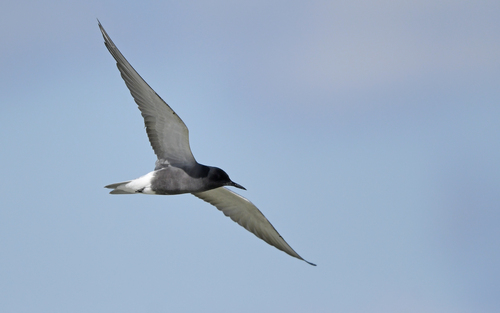 trinta-réis-negro
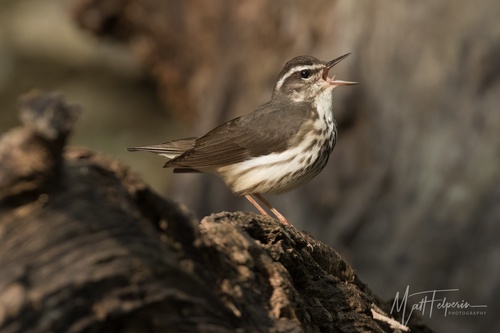 abana-rabo-da-serra
Em resumo
A maneira mais confiável de separar o trinta-réis-negro do abana-rabo-da-serra é pela estrutura geral e habitat: o trinta-réis-negro é uma ave aquática esbelta, flutuante e aérea, com asas longas e pontudas e um bico curto e escuro, geralmente visto voando sobre águas abertas, enquanto o abana-rabo-da-serra é um pássaro cantor robusto, que vive no solo, com um bico e pernas rosa fortes, caminhando ao longo de riachos arborizados. Em voo, o trinta-réis-negro exibe um perfil esbelto e ágil com as asas anteriores pálidas e uma cauda quadrada, enquanto o abana-rabo-da-serra raramente é visto em voo sustentado e nunca exibe o padrão de asas do trinta-réis. Trinta-réis-negros juvenis e não-reprodutores podem mostrar um pouco de branco no rosto e na gola, mas nunca o forte supercílio e as partes inferiores estriadas do abana-rabo-da-serra. Se você vê um pássaro forrageando no ar sobre a água, é quase certamente um trinta-réis-negro; se está balançando ao longo de uma margem de riacho sombreada, é um abana-rabo-da-serra.
Dicas de identificação
- O habitat é fundamental: O trinta-réis-negro quase nunca é encontrado longe de águas abertas ou pântanos; o abana-rabo-da-serra está ligado a riachos arborizados e nunca é visto forrageando sobre águas abertas.
- Estilo de voo: O trinta-réis-negro é flutuante, ágil e muitas vezes errático em voo, forrageando no ar. O abana-rabo-da-serra voa apenas distâncias curtas, geralmente caminha ou balança ao longo do solo.
- Padrão de asas (todas as idades): O trinta-réis-negro mostra asas anteriores pálidas e um dorso mais escuro em voo, com um perfil esbelto e de asas pontudas. O abana-rabo-da-serra não tem padrão de asas contrastante—suas asas são marrons simples por cima.
- Estrutura do bico: O trinta-réis-negro tem um bico longo, esbelto e ligeiramente curvado para baixo, quase tão longo quanto sua cabeça. O abana-rabo-da-serra tem um bico mais curto, reto e forte, de cor rosa, nunca tão longo quanto a cabeça.
- Cor das pernas: As pernas do trinta-réis-negro são curtas e escuras. O abana-rabo-da-serra tem pernas longas e rosa brilhante—muito óbvias quando empoleiradas ou caminhando.
- Padrão da cabeça: O trinta-réis-negro (especialmente juvenis e não-reprodutores) pode mostrar um rosto branco com uma mancha triangular escura, mas nunca um forte supercílio branco. O abana-rabo-da-serra sempre mostra um forte supercílio branco do bico até a nuca.
- Partes inferiores: O trinta-réis-negro (todas as idades) nunca mostra listras pretas marcantes nas partes inferiores. O abana-rabo-da-serra tem partes inferiores brancas com listras pretas fortes e flancos/cauda de cor buff.
- Formato da cauda: O trinta-réis-negro tem uma cauda quadrada, pálido marrom-acinzentado. O abana-rabo-da-serra tem uma cauda curta e arredondada, frequentemente balançando para cima e para baixo.
- Capuz/Capô: O trinta-réis-negro reprodutor tem um capô preto ou marrom-escuro que se funde com as coberturas das orelhas. O abana-rabo-da-serra nunca mostra uma aparência de capô—o topo da cabeça é marrom simples.
- Tamanho e aparência: O trinta-réis-negro é muito maior, com asas mais longas e mais esbelto do que o robusto, de cauda curta abana-rabo-da-serra.
- Vocalizações: O chamado do trinta-réis-negro é um alto “kik”; o abana-rabo-da-serra canta uma canção musical e descendente e dá um forte chamado “chink”.
- Contexto sazonal: O trinta-réis-negro está presente na América do Norte durante a primavera e o verão (reprodução), depois migra para a América do Sul. O abana-rabo-da-serra se reproduz no leste da América do Norte e inverna nos trópicos, mas nunca se sobrepõe em habitat com os trinta-réis.
- Comportamento de empoleiramento: O trinta-réis-negro raramente se empoleira, exceto em detritos flutuantes ou postes; o abana-rabo-da-serra é quase sempre visto empoleirado ou caminhando no solo.
- Confusão juvenil: O juvenil do trinta-réis-negro pode mostrar uma gola e rosto brancos, mas nunca as partes inferiores estriadas ou supercílio do abana-rabo-da-serra. Os juvenis do abana-rabo-da-serra são mais claros embaixo, mas ainda mostram listras e supercílio.
- Estilo de forrageio: O trinta-réis-negro captura presas no ar ou na superfície da água; o abana-rabo-da-serra pega presas do chão ou da borda da água, nunca no ar.
Tamanho
O trinta-réis-negro é substancialmente maior e mais esbelto, pesando cerca de 60 g [wikidata], com um comprimento de cerca de 25 cm e uma envergadura de 61 cm [wikipedia]. O abana-rabo-da-serra é muito menor e mais robusto, com uma média de 20,6 g, com um comprimento de 14–17 cm e uma envergadura de 21–25,4 cm [wikipedia]. As longas e pontudas asas do trinta-réis e seu corpo esbelto contrastam com as asas curtas, corpo rechonchudo e pernas relativamente longas do abana-rabo-da-serra.
Plumagem
- Juvenil/imaturo trinta-réis-negro: Mostra uma gola branca larga, rosto branco e uma mancha triangular escura na frente do olho. As partes superiores são opacas com bordas de penas pálidas, e a região do rabo é marrom-acinzentada. Pode haver manchas marrom-acinzentadas nos lados do peito branco, mas estas não são marcantes ou estriadas. Em voo, a asa anterior pálida contrasta com o manto e o dorso mais escuros. Nenhuma idade do abana-rabo-da-serra mostra esse padrão.
- Abana-rabo-da-serra (todas as idades): Sempre tem um forte supercílio branco (sobrancelha), partes superiores marrons simples e partes inferiores brancas com listras pretas marcantes. Os flancos e a cauda são de cor buff, e as pernas são rosa brilhante. Os juvenis são semelhantes, mas têm partes inferiores mais claras. Nunca mostra uma aparência de capô ou capuz, nem a asa anterior pálida do trinta-réis.
- Adulto trinta-réis-negro (reprodutor): Cabeça, pescoço e barriga pretos, com um dorso cinza escuro e asa anterior branca. O capô preto forma um capô quase completo. Adultos não-reprodutores perdem a maior parte do preto, exceto pelo capô, substituído por cinza. A cauda é quadrada e pálido marrom-acinzentada. Nunca mostra partes inferiores estriadas ou um supercílio.
- Voo: A asa superior do trinta-réis-negro é pálida na asa anterior e mais escura nas costas, com um perfil esbelto e de asas pontudas. O abana-rabo-da-serra em voo parece um típico chapim: asas arredondadas, cauda curta, sem painéis pálidos ou padrão de asas contrastante.
Comportamento
O trinta-réis-negro é quase sempre visto voando sobre águas abertas, forrageando ao pegar insetos ou pequenos peixes da superfície ou capturando insetos em voo. Seu voo é ágil, errático e flutuante, com batidas de asas dinâmicas. Raramente se empoleira, exceto em vegetação flutuante ou postes próximos à água. O abana-rabo-da-serra é um forrageador terrestre, caminhando ou balançando ao longo das margens de riachos de rápido fluxo, frequentemente balançando sua cauda. Raramente voa por longas distâncias e é geralmente visto no solo ou em vegetação baixa. O abana-rabo-da-serra não forrageia no ar como um trinta-réis.
Habitat
O trinta-réis-negro se reproduz em pântanos de água doce e é quase sempre encontrado sobre ou perto de águas abertas, especialmente durante a migração e no inverno. Nunca é encontrado em riachos arborizados ou em densa vegetação rasteira. O abana-rabo-da-serra se reproduz ao longo de riachos sombreados e de rápido fluxo no leste da América do Norte, sempre em áreas arborizadas ou semi-arborizadas. Evita águas abertas e nunca é visto sobre lagos ou pântanos como um trinta-réis. Se o pássaro está em um pântano ou voando sobre um lago, é um trinta-réis; se está caminhando ao longo de um riacho florestado, é um abana-rabo-da-serra.
Voz
O trinta-réis-negro emite um chamado agudo "kik", e os bandos podem ser muito barulhentos e com som áspero. O abana-rabo-da-serra tem uma canção distinta e musical de notas descendentes seguida por um trinado, e seu chamado é um forte "chink". A canção do abana-rabo-da-serra é muito mais complexa e melodiosa do que qualquer vocalização de trinta-réis.
trinta-réis-negro · abana-rabo-da-serra · Minhas aves difíceis