

Fumarel Común vs Reinita Charquera de Luisiana
Chlidonias niger frente a Parkesia motacilla
Juega un quiz con Fumarel Común y Reinita Charquera de Luisiana
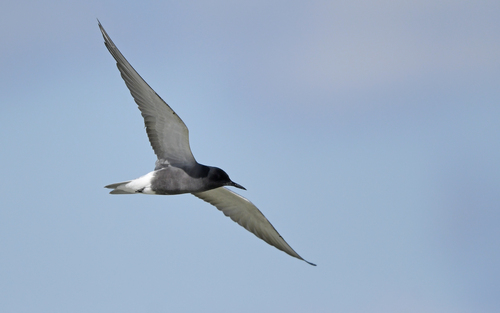 Fumarel Común
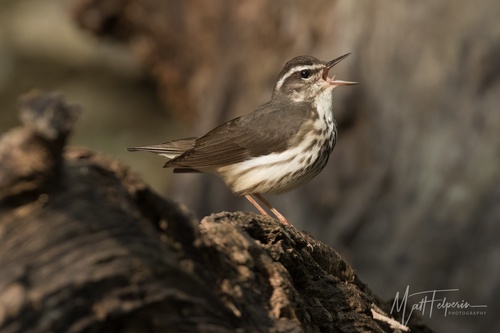 Reinita Charquera de Luisiana
En breve
La forma más confiable de separar el Fumarel Común del Reinita Charquera de Luisiana es por su estructura general y hábitat: el Fumarel Común es un ave acuática esbelta, flotante y aérea con alas largas y puntiagudas y un pico corto y oscuro, que generalmente se ve volando sobre aguas abiertas, mientras que la Reinita Charquera de Luisiana es un ave cantora robusta, terrestre, con un pico y patas rosados fuertes, que camina a lo largo de arroyos boscosos. En vuelo, el Fumarel Común muestra un perfil esbelto y ágil con alas anteriores pálidas y una cola cuadrada, mientras que la Reinita Charquera de Luisiana rara vez se ve en vuelo sostenido y nunca exhibe el patrón de alas del fumarel. Los Fumarales Comunes juveniles y no reproductores pueden mostrar algo de blanco en la cara y el collar, pero nunca el fuerte supercilio y las partes inferiores estriadas de la reinita. Si ves un ave forrajeando en el aire sobre el agua, casi seguramente es un Fumarel Común; si está saltando a lo largo de un banco de arroyo sombreado, es una reinita.
Consejos de identificación
- El hábitat es clave: El Fumarel Común casi nunca se encuentra lejos de aguas abiertas o pantanos; la Reinita Charquera de Luisiana está ligada a arroyos boscosos y nunca se ve forrajeando sobre aguas abiertas.
- Estilo de vuelo: El Fumarel Común es flotante, ágil y a menudo errático en vuelo, forrajeando en el aire. La Reinita Charquera de Luisiana vuela solo distancias cortas, mayormente camina o salta por el suelo.
- Patrón de alas (todas las edades): El Fumarel Común muestra alas anteriores pálidas y un dorso más oscuro en vuelo, con un perfil de alas esbeltas y puntiagudas. La reinita no tiene un patrón de alas contrastante: las alas son de un marrón uniforme por encima.
- Estructura del pico: El Fumarel Común tiene un pico negro largo, delgado y ligeramente curvado, casi tan largo como su cabeza. La Reinita Charquera de Luisiana tiene un pico más corto, recto y fuerte, de color rosado, nunca tan largo como la cabeza.
- Color de las patas: Las patas del Fumarel Común son cortas y oscuras. La Reinita Charquera de Luisiana tiene patas largas y de un rosado brillante, muy obvias cuando está posada o caminando.
- Patrón de la cabeza: El Fumarel Común (especialmente juveniles y no reproductores) puede mostrar una cara blanca con una mancha triangular oscura, pero nunca un fuerte supercilio blanco. La Reinita Charquera de Luisiana siempre muestra un fuerte supercilio blanco de pico a nuca.
- Partes inferiores: El Fumarel Común (todas las edades) nunca muestra fuertes rayas negras en las partes inferiores. La Reinita Charquera de Luisiana tiene partes inferiores blancas con fuertes rayas negras y flancos/cola de color canela.
- Forma de la cola: El Fumarel Común tiene una cola cuadrada de un gris pálido. La Reinita Charquera de Luisiana tiene una cola corta y redondeada, a menudo movida hacia arriba y hacia abajo.
- Caperuza/bonete: El Fumarel Común en reproducción tiene una caperuza negra o marrón oscura que se fusiona con las coberturas de las orejas. La reinita nunca muestra una apariencia con caperuza: la corona es de un marrón uniforme.
- Tamaño y apariencia: El Fumarel Común es mucho más grande, con alas más largas y más esbelto que la robusta y de cola corta reinita.
- Vocalizaciones: El llamado del Fumarel Común es un alto “kik”; la Reinita Charquera de Luisiana canta una canción musical y descendente y emite un duro “chink” como llamado.
- Contexto estacional: El Fumarel Común está presente en América del Norte durante la primavera y el verano (reproducción), luego migra a América del Sur. La Reinita Charquera de Luisiana cría en el este de América del Norte y pasa el invierno en los trópicos, pero nunca se superpone en hábitat con los fumarales.
- Comportamiento de posado: El Fumarel Común rara vez se posa excepto en vegetación flotante o postes; la reinita casi siempre se ve posada o caminando en el suelo.
- Confusión juvenil: El juvenil Fumarel Común puede mostrar un collar y cara blancos, pero nunca las partes inferiores estriadas o el supercilio de la reinita. Los juveniles de la reinita son más canela por debajo, pero aún muestran rayas y supercilio.
- Estilo de forrajeo: El Fumarel Común captura presas en el aire o de la superficie del agua; la Reinita Charquera de Luisiana recoge presas del suelo o del borde del agua, nunca en el aire.
Tamaño
El Fumarel Común es sustancialmente más grande y más esbelto, pesando alrededor de 60 g [wikidata], con una longitud de aproximadamente 25 cm y una envergadura de 61 cm [wikipedia]. La Reinita Charquera de Luisiana es mucho más pequeña y robusta, promediando 20.6 g, con una longitud de 14–17 cm y una envergadura de 21–25.4 cm [wikipedia]. Las largas y puntiagudas alas del fumarel y su cuerpo esbelto contrastan con las alas cortas, el cuerpo regordete y las patas relativamente largas de la reinita.
Plumaje
- Juvenil/inmaduro Fumarel Común: Muestra un collar blanco algo ancho, cara blanca y una mancha triangular oscura frente al ojo. Las partes superiores son apagadas con bordes de plumas pálidos, y la rabadilla es de un gris marrón. Puede haber manchas marrón grisáceo en los lados del pecho blanco, pero no son audaces ni estriadas. En vuelo, el ala anterior pálida contrasta con el manto y la espalda más oscuros. Ninguna edad de la reinita muestra este patrón.
- Reinita Charquera de Luisiana (todas las edades): Siempre tiene un fuerte supercilio blanco (ceja), partes superiores marrones uniformes y partes inferiores blancas con fuertes rayas negras. Los flancos y la cola son de color canela, y las patas son de un rosado brillante. Los juveniles son similares pero tienen partes inferiores más canela. Nunca muestra una apariencia con caperuza o bonete, ni el ala anterior pálida del fumarel.
- Adulto Fumarel Común (reproducción): Cabeza, cuello y vientre negros, con un dorso gris oscuro y ala anterior blanca. La caperuza negra forma una capucha casi completa. Los adultos no reproductores pierden la mayor parte del negro excepto por la caperuza, reemplazada por gris. La cola es cuadrada y de un gris pálido. Nunca muestra partes inferiores estriadas ni un supercilio.
- Vuelo: El ala superior del Fumarel Común es pálida en el ala anterior y más oscura en la parte posterior, con un perfil de alas esbeltas y puntiagudas. La Reinita Charquera de Luisiana en vuelo se parece a un típico warbler: alas redondeadas, cola corta, sin paneles pálidos ni patrón de alas contrastante.
Comportamiento
El Fumarel Común casi siempre se ve volando sobre aguas abiertas, forrajeando al recoger insectos o peces pequeños de la superficie o atrapando insectos en vuelo. Su vuelo es ágil, errático y flotante, con batidos de alas dinámicos. Rara vez se posa excepto en vegetación flotante o postes cerca del agua. La Reinita Charquera de Luisiana es un forrajero terrestre, caminando o saltando a lo largo de los bordes de arroyos de rápido flujo, a menudo moviendo su cola. Rara vez vuela largas distancias y generalmente se ve en el suelo o en vegetación baja. La reinita no forrajea en el aire como un fumarel.
Hábitat
El Fumarel Común cría en pantanos de agua dulce y casi siempre se encuentra sobre o cerca de aguas abiertas, especialmente durante la migración y en invierno. Nunca se encuentra en arroyos boscosos o densa maleza. La Reinita Charquera de Luisiana cría a lo largo de arroyos sombreados y de rápido flujo en el este de América del Norte, siempre en áreas boscosas o semi-boscosas. Evita aguas abiertas y nunca se ve sobre lagos o pantanos como un fumarel. Si el ave está en un pantano o volando sobre un lago, es un fumarel; si está caminando a lo largo de un arroyo boscoso, es una reinita.
Voz
El Fumarel Común emite un llamado agudo "kik", y los grupos pueden ser muy ruidosos y sonar ásperos. La Reinita Charquera de Luisiana tiene una canción distintiva y musical de notas descendentes seguida de un trino, y su llamado es un duro "chink". La canción de la reinita es mucho más compleja y melodiosa que cualquier vocalización de fumarel.
Fumarel Común · Reinita Charquera de Luisiana · Mis aves difíciles