

Mignattino comune vs Louisiana Waterthrush
Chlidonias niger contro Parkesia motacilla
Fai un quiz con Mignattino comune e Louisiana Waterthrush
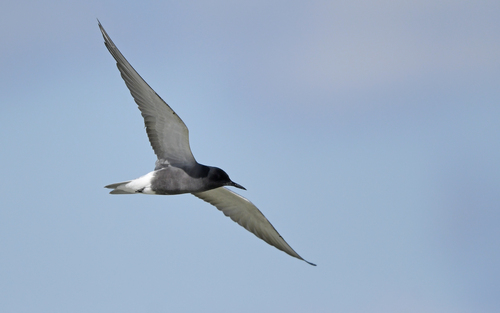 Mignattino comune
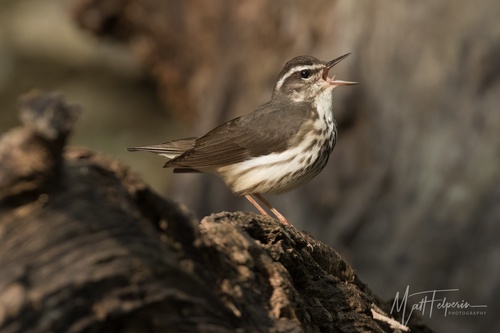 Louisiana Waterthrush
In breve
Il modo più affidabile per separare il Mignattino comune dal Louisiana Waterthrush è attraverso la struttura generale e l'habitat: il Mignattino comune è un uccello acquatico aereo snodato e galleggiante con ali lunghe e appuntite e un becco corto e scuro, di solito visto volare sopra acque aperte, mentre il Louisiana Waterthrush è un uccello canoro tozzo e terrestre con un becco e zampe rosa forti, che cammina lungo i torrenti boschivi. In volo, il Mignattino comune mostra un profilo snodato e agile con ali anteriori chiare e una coda quadrata, mentre il Louisiana Waterthrush è raramente visto in volo prolungato e non mostra mai il motivo delle ali del mignattino. I Mignattini comuni giovani e non in riproduzione possono mostrare un po' di bianco sul viso e sul collare, ma mai il forte sopracciglio e le parti inferiori striate del waterthrush. Se vedi un uccello che cerca cibo in volo sopra l'acqua, è quasi certamente un Mignattino comune; se sta ondeggiando lungo una riva ombreggiata, è un waterthrush.
Consigli di identificazione
- L'habitat è fondamentale: il Mignattino comune non si trova quasi mai lontano da acque aperte o paludi; il Louisiana Waterthrush è legato a torrenti boschivi e non è mai visto cercare cibo sopra acque aperte.
- Stile di volo: il Mignattino comune è galleggiante, agile e spesso erratico in volo, cercando cibo in volo. Il Louisiana Waterthrush vola solo per brevi distanze, cammina o ondeggia principalmente lungo il terreno.
- Motivo delle ali (tutte le età): il Mignattino comune mostra ali anteriori chiare e un dorso più scuro in volo, con un profilo snodato e ali appuntite. Il waterthrush non ha un motivo delle ali contrastante: le ali sono marroni uniformi sopra.
- Struttura del becco: il Mignattino comune ha un becco lungo, snodato e leggermente ricurvo, quasi lungo quanto la testa. Il Louisiana Waterthrush ha un becco più corto, dritto e robusto, di colore rosa, mai lungo quanto la testa.
- Colore delle zampe: le zampe del Mignattino comune sono corte e scure. Il Louisiana Waterthrush ha zampe lunghe e rosa brillante, molto evidenti quando è posato o cammina.
- Motivo della testa: il Mignattino comune (soprattutto i giovani e i non in riproduzione) può mostrare un viso bianco con una macchia triangolare scura, ma mai un forte sopracciglio bianco. Il Louisiana Waterthrush mostra sempre un forte sopracciglio bianco dal becco alla nuca.
- Parti inferiori: il Mignattino comune (tutte le età) non mostra mai forti strisce nere sulle parti inferiori. Il Louisiana Waterthrush ha parti inferiori bianche con forti strisce nere e fianchi/coda color sabbia.
- Forma della coda: il Mignattino comune ha una coda quadrata di colore marrone chiaro-grigiastro. Il Louisiana Waterthrush ha una coda corta e arrotondata, spesso sollevata e abbassata.
- Cappuccio: il Mignattino comune in riproduzione ha un cappuccio nero o marrone scuro che si fonde con le copritrici auricolari. Il waterthrush non mostra mai un aspetto incappucciato: la corona è marrone uniforme.
- Dimensioni e aspetto: il Mignattino comune è molto più grande, con ali più lunghe e più snodato rispetto al waterthrush tozzo e dalla coda corta.
- Vocalizzazioni: il richiamo del Mignattino comune è un alto “kik”; il Louisiana Waterthrush canta una canzone musicale e discendente e emette un duro “chink” richiamo.
- Contesto stagionale: il Mignattino comune è presente in Nord America durante la primavera e l'estate (riproduzione), poi migra in Sud America. Il Louisiana Waterthrush nidifica nell'est del Nord America e sverna nei tropici, ma non si sovrappone mai nell'habitat con i mignattini.
- Comportamento di posarsi: il Mignattino comune raramente si posa tranne che su detriti galleggianti o pali; il waterthrush è quasi sempre visto posato o camminare a terra.
- Confusione giovanile: il giovane Mignattino comune può mostrare un collare e un viso bianchi, ma mai le parti inferiori striate o il sopracciglio del waterthrush. I giovani waterthrush sono più chiari sotto, ma mostrano comunque strisce e sopracciglio.
- Stile di foraggiamento: il Mignattino comune cattura prede in volo o dalla superficie dell'acqua; il Louisiana Waterthrush raccoglie prede dal terreno o dal bordo dell'acqua, mai in volo.
Taglia
Il Mignattino comune è sostanzialmente più grande e più snodato, pesando circa 60 g [wikidata], con una lunghezza di circa 25 cm e un'apertura alare di 61 cm [wikipedia]. Il Louisiana Waterthrush è molto più piccolo e tozzo, con un peso medio di 20,6 g, una lunghezza di 14–17 cm e un'apertura alare di 21–25,4 cm [wikipedia]. Le lunghe ali appuntite e il corpo snodato del mignattino contrastano con le ali corte, il corpo paffuto e le zampe relativamente lunghe del waterthrush.
Piumaggio
- Giovane/immaturo Mignattino comune: Mostra un collare bianco piuttosto ampio, un viso bianco e una macchia triangolare scura davanti all'occhio. Le parti superiori sono grigie con bordi di piume chiari, e il dorso è marrone-grigiastro. Possono esserci macchie marrone-grigie sui lati del petto bianco, ma queste non sono forti o striate. In volo, l'ala anteriore chiara contrasta con il mantello e il dorso più scuri. Nessuna età del waterthrush mostra mai questo motivo.
- Louisiana Waterthrush (tutte le età): Ha sempre un forte sopracciglio bianco (sopracciglio), parti superiori marroni uniformi e parti inferiori bianche con forti strisce nere. I fianchi e la coda sono color sabbia, e le zampe sono rosa brillante. I giovani sono simili ma hanno parti inferiori più chiare. Non mostra mai un aspetto incappucciato o coperto, né l'ala anteriore chiara del mignattino.
- Adulto Mignattino comune (riproduzione): Testa, collo e pancia neri, con un dorso grigio scuro e un'ala anteriore bianca. Il cappuccio nero forma un cappuccio quasi completo. Gli adulti non in riproduzione perdono la maggior parte del nero tranne che per il cappuccio, sostituito da grigio. La coda è quadrata e di colore marrone chiaro-grigiastro. Non mostra mai parti inferiori striate o un sopracciglio.
- Volo: L'ala superiore del Mignattino comune è chiara sull'ala anteriore e più scura sul dorso, con un profilo snodato e ali appuntite. Il Louisiana Waterthrush in volo assomiglia a un tipico warbler: ali arrotondate, coda corta, senza pannelli chiari o motivo delle ali contrastante.
Comportamento
Il Mignattino comune è quasi sempre visto volare sopra acque aperte, cercando cibo raccogliendo insetti o pesci piccoli dalla superficie o catturando insetti in volo. Il suo volo è agile, erratico e galleggiante, con battiti d'ali dinamici. Raramente si posa tranne che su vegetazione galleggiante o pali vicino all'acqua. Il Louisiana Waterthrush è un foraggiatore terrestre, camminando o ondeggiando lungo i bordi di torrenti a flusso rapido, spesso muovendo la coda. Raramente vola per lunghe distanze ed è di solito visto a terra o in vegetazione bassa. Il waterthrush non cerca cibo in volo come un mignattino.
Habitat
Il Mignattino comune nidifica in paludi d'acqua dolce ed è quasi sempre trovato sopra o vicino a acque aperte, specialmente durante la migrazione e in inverno. Non si trova mai in torrenti boschivi o in folta vegetazione. Il Louisiana Waterthrush nidifica lungo torrenti ombreggiati e a flusso rapido nell'est del Nord America, sempre in aree boschive o semi-boschive. Evita acque aperte e non è mai visto sopra laghi o paludi come un mignattino. Se l'uccello è in una palude o vola sopra un lago, è un mignattino; se sta camminando lungo un torrente boschivo, è un waterthrush.
Voce
Il Mignattino comune emette un richiamo acuto "kik", e i gruppi possono essere molto rumorosi e duri. Il Louisiana Waterthrush ha una canzone distintiva e musicale di note discendenti seguita da un gorgheggio, e il suo richiamo è un duro "chink". La canzone del waterthrush è molto più complessa e melodiosa di qualsiasi vocalizzazione del mignattino.
Mignattino comune · Louisiana Waterthrush · I miei uccelli difficili