

Motmot

ハシグロクロハラアジサシ 対 ミナミミズツグミ

Chlidonias niger 対 Parkesia motacilla

ハシグロクロハラアジサシとミナミミズツグミのクイズ
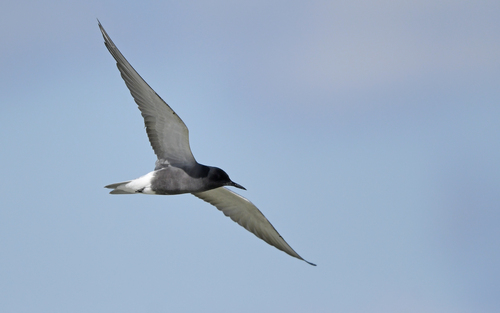
ハシグロクロハラアジサシ (Chlidonias niger) ハシグロクロハラアジサシ
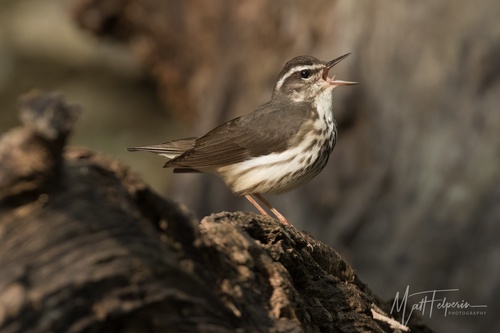
ミナミミズツグミ (Parkesia motacilla) ミナミミズツグミ

メディア

読み込み中…

要点

ブラックテーンとミナミミズツグミを区別する最も信頼できる方法は、全体の構造と生息地によるものです:ブラックテーンは細身で浮力のある空中水鳥で、長く尖った翼と短い暗いくちばしを持ち、通常は開けた水面を飛んでいるのが見られます。一方、ミナミミズツグミはずんぐりした地上性の歌鳥で、強いピンク色のくちばしと脚を持ち、森林の小川に沿って歩いています。飛行中、ブラックテーンは淡い前翼と四角い尾を持つ細身で機敏なプロファイルを示しますが、ミナミミズツグミは持続的な飛行で見られることは稀で、決してテーンの翼のパターンを示しません。幼鳥や非繁殖のブラックテーンは顔や襟に白が見られることがありますが、ミズツグミの強い眉斑や縞模様のある腹部は決して示しません。水面上で飛びながら餌を探している鳥を見た場合、それはほぼ確実にブラックテーンです。もしそれが日陰の小川の岸を上下に揺れているなら、それはミズツグミです。

識別のコツ

  1. Habitat is key: ブラックテーンは開けた水や湿地から離れて見つかることはほとんどありません。ミナミミズツグミは森林の小川に関連しており、開けた水面で餌を探しているのは見られません。
  2. Flight style: ブラックテーンは浮力があり、機敏で、飛行中はしばしば不規則です。ミナミミズツグミは短い距離しか飛ばず、主に地面を歩いたり上下に揺れたりします。
  3. Wing pattern (all ages): ブラックテーンは飛行中に淡い前翼と暗い背中を示し、細身で尖った翼のプロファイルを持ちます。ミズツグミには対照的な翼のパターンはなく、翼は上面が単色の茶色です。
  4. Bill structure: ブラックテーンは長く、細く、わずかに下向きの黒いくちばしを持ち、頭とほぼ同じ長さです。ミナミミズツグミは短く、まっすぐで強いくちばしを持ち、色はピンクがかっており、決して頭と同じ長さにはなりません。
  5. Leg color: ブラックテーンの脚は短くて暗いです。ミナミミズツグミは長くて明るいピンクの脚を持ち、止まっているときや歩いているときに非常に目立ちます。
  6. Head pattern: ブラックテーン(特に幼鳥や非繁殖)は、暗い三角形の斑点がある白い顔を示すことがありますが、強い白い眉斑は決して示しません。ミナミミズツグミは常にくちばしから後頭部までの太い白い眉斑を示します。
  7. Underparts: ブラックテーン(すべての年齢)は腹部に太い黒い縞模様を示すことはありません。ミナミミズツグミは白い腹部に強い黒い縞模様とバフ色の側面/尾を持っています。
  8. Tail shape: ブラックテーンは四角い淡い茶色がかった灰色の尾を持っています。ミナミミズツグミは短くて丸い尾を持ち、しばしば上下に振られます。
  9. Cap/hood: 繁殖期のブラックテーンは、耳の覆羽と融合する黒または黒っぽい茶色のフードを持っています。ミズツグミはフードのある外観を示すことはなく、頭頂は単色の茶色です。
  10. Size and jizz: ブラックテーンはずんぐりした短い尾のミズツグミよりもはるかに大きく、長い翼を持ち、細身です。
  11. Vocalizations: ブラックテーンの鳴き声は高い「キキ」で、ミナミミズツグミは音楽的で下降する歌を歌い、硬い「チンク」という鳴き声を出します。
  12. Seasonal context: ブラックテーンは春と夏(繁殖期)に北アメリカに存在し、その後南アメリカに移動します。ミナミミズツグミは北アメリカ東部で繁殖し、熱帯で冬を越しますが、テーンとは生息地が重なることはありません。
  13. Perching behavior: ブラックテーンは浮遊物や水の近くの柱の上にしか止まることはほとんどありません。ミズツグミはほぼ常に地面や低い植生の上に止まっているのが見られます。
  14. Juvenile confusion: 幼鳥のブラックテーンは白い襟と顔を示すことがありますが、ミズツグミの縞模様のある腹部や眉斑は決して示しません。幼鳥のミズツグミは下部がバフ色ですが、依然として縞模様と眉斑を示します。
  15. Foraging style: ブラックテーンは空中または水面から獲物を捕まえますが、ミナミミズツグミは地面や水辺から獲物を拾い、空中では決して捕まえません。

大きさ

ブラックテーンはかなり大きく、細身で、体重は約60g [wikidata]、長さは約25cm、翼幅は61cm [wikipedia]です。ミナミミズツグミははるかに小さく、ずんぐりしており、平均体重は20.6g、長さは14〜17cm、翼幅は21〜25.4cm [wikipedia]です。テーンの長く尖った翼と細い体は、ミズツグミの短い翼、ふっくらした体、比較的長い脚と対照的です。

羽色

行動

ブラックテーンはほぼ常に開けた水面を飛んでいるのが見られ、表面から昆虫や小魚を拾ったり、飛行中に昆虫を捕まえたりして餌を探します。その飛行は機敏で不規則で浮力があり、ダイナミックな羽ばたきを持っています。水の近くの浮遊植物や柱の上にしか止まることはほとんどありません。ミナミミズツグミは地上性の餌探しを行い、急流の端を歩いたり上下に揺れたりし、しばしば尾を振ります。長距離を飛ぶことはほとんどなく、通常は地面や低い植生の上に見られます。ミズツグミはテーンのように空中で餌を探すことはありません。

生息環境

ブラックテーンは淡水の湿地で繁殖し、ほぼ常に開けた水面の上または近くに見られ、特に移動中や冬にそうです。森林の小川や密な下草の中には決して見られません。ミナミミズツグミは北アメリカ東部の日陰の急流に沿って繁殖し、常に森林または半森林の地域にいます。開けた水を避け、テーンのように湖や湿地の上で見られることはありません。もし鳥が湿地にいるか湖の上を飛んでいるなら、それはテーンです。もしそれが森林の小川に沿って歩いているなら、それはミズツグミです。

声

ブラックテーンは高音の「キキ」という鳴き声を出し、群れは非常に騒がしく、耳障りに聞こえることがあります。ミナミミズツグミは下降する音符の特徴的な音楽的な歌を持ち、ワーブルの後に硬い「チンク」という鳴き声を出します。ミズツグミの歌は、どのテーンの鳴き声よりもはるかに複雑でメロディックです。

より良い説明を送る

比較と同じ項目を使ってください。文章はすぐに公開されます。

The most reliable way to separate Black Tern from Louisiana Waterthrush is by overall structure and habitat: Black Tern is a slim, buoyant, aerial waterbird with long, pointed wings and a short, dark bill, usually seen flying over open water, while Louisiana Waterthrush is a chunky, ground-dwelling songbird with a strong pinkish bill and legs, walking along wooded streams. In flight, Black Tern shows a slim, agile profile with pale forewings and a square tail, whereas Louisiana Waterthrush is rarely seen in sustained flight and never exhibits the tern’s wing pattern. Juvenile and non-breeding Black Terns may show some white on the face and collar, but never the strong supercilium and streaked underparts of the waterthrush. If you see a bird foraging on the wing over water, it is almost certainly a Black Tern; if it is bobbing along a shaded streambank, it is a waterthrush.

  1. Habitat is key: Black Tern is almost never found away from open water or marshes; Louisiana Waterthrush is tied to wooded streams and never seen foraging over open water.
  2. Flight style: Black Tern is buoyant, agile, and often erratic in flight, foraging on the wing. Louisiana Waterthrush flies only short distances, mostly walks or bobs along the ground.
  3. Wing pattern (all ages): Black Tern shows pale forewings and a darker back in flight, with a slim, pointed-winged profile. Waterthrush has no contrasting wing pattern—wings are plain brown above.
  4. Bill structure: Black Tern has a long, slender, slightly decurved black bill, almost as long as its head. Louisiana Waterthrush has a shorter, straight, strong bill, pinkish in color, never as long as the head.
  5. Leg color: Black Tern’s legs are short and dark. Louisiana Waterthrush has long, bright pink legs—very obvious when perched or walking.
  6. Head pattern: Black Tern (especially juveniles and non-breeding) may show a white face with a dark triangular patch, but never a strong white supercilium. Louisiana Waterthrush always shows a bold white supercilium from bill to nape.
  7. Underparts: Black Tern (all ages) never shows bold black streaks on the underparts. Louisiana Waterthrush has white underparts with strong black streaks and buff flanks/undertail.
  8. Tail shape: Black Tern has a square, pale brownish-grey tail. Louisiana Waterthrush has a short, rounded tail, often flicked up and down.
  9. Cap/hood: Breeding Black Tern has a black or blackish-brown hood that merges with ear coverts. Waterthrush never shows a hooded appearance—crown is plain brown.
  10. Size and jizz: Black Tern is much larger, longer-winged, and more slender than the chunky, short-tailed waterthrush.
  11. Vocalizations: Black Tern’s call is a high “kik”; Louisiana Waterthrush sings a musical, descending song and gives a hard “chink” call.
  12. Seasonal context: Black Tern is present in North America during spring and summer (breeding), then migrates to South America. Louisiana Waterthrush breeds in eastern North America and winters in the tropics, but never overlaps in habitat with terns.
  13. Perching behavior: Black Tern rarely perches except on floating debris or posts; waterthrush is almost always seen perched or walking on the ground.
  14. Juvenile confusion: Juvenile Black Tern may show a white collar and face, but never the streaked underparts or supercilium of the waterthrush. Juvenile waterthrushes are buffier below, but still show streaks and supercilium.
  15. Foraging style: Black Tern catches prey on the wing or from the water surface; Louisiana Waterthrush picks prey from the ground or water’s edge, never aerially.

Black Tern is substantially larger and more slender, weighing around 60 g [wikidata], with a length of about 25 cm and a wingspan of 61 cm [wikipedia]. Louisiana Waterthrush is much smaller and chunkier, averaging 20.6 g, with a length of 14–17 cm and a wingspan of 21–25.4 cm [wikipedia]. The tern’s long, pointed wings and slim body contrast with the waterthrush’s short wings, plump body, and relatively long legs.

  • Juvenile/immature Black Tern: Shows a broadish white collar, white face, and dark triangular patch in front of the eye. The upperparts are drab with pale feather-edgings, and the rump is brownish-grey. There may be greyish-brown smudges on the sides of the white breast, but these are not bold or streaked. In flight, the pale forewing contrasts with the darker mantle and back. No waterthrush age ever shows this pattern.
  • Louisiana Waterthrush (all ages): Always has a strong white supercilium (eyebrow), plain brown upperparts, and white underparts with bold black streaks. The flanks and undertail are buff, and the legs are bright pink. Juveniles are similar but have buffier underparts. Never shows a hooded or capped appearance, nor the pale forewing of the tern.
  • Adult Black Tern (breeding): Black head, neck, and belly, with a dark grey back and white forewing. The black cap forms an almost complete hood. Non-breeding adults lose most of the black except for the cap, replaced by grey. The tail is square and pale brownish-grey. Never shows streaked underparts or a supercilium.
  • Flight: Black Tern’s upperwing is pale on the forewing and darker on the back, with a slim, pointed-winged profile. Louisiana Waterthrush in flight looks like a typical warbler: rounded wings, short tail, no pale panels or contrasting wing pattern.

Black Tern is almost always seen flying over open water, foraging by picking insects or small fish from the surface or catching insects in flight. Its flight is agile, erratic, and buoyant, with dynamic wingbeats. It rarely perches except on floating vegetation or posts near water. Louisiana Waterthrush is a terrestrial forager, walking or bobbing along the edges of fast-flowing streams, often flicking its tail. It rarely flies for long distances and is usually seen on the ground or low vegetation. The waterthrush does not forage on the wing like a tern.

Black Tern breeds in freshwater marshes and is almost always found over or near open water, especially during migration and in winter. It is never found in wooded streams or dense undergrowth. Louisiana Waterthrush breeds along shaded, fast-flowing streams in eastern North America, always in wooded or semi-wooded areas. It avoids open water and is never seen over lakes or marshes like a tern. If the bird is in a marsh or flying over a lake, it is a tern; if it is walking along a forested stream, it is a waterthrush.

Black Tern gives a high-pitched "kik" call, and flocks can be very noisy and harsh-sounding. Louisiana Waterthrush has a distinctive, musical song of descending notes followed by a warble, and its call is a hard "chink." The waterthrush’s song is far more complex and melodious than any tern vocalization.

変更を破棄しますか?

保存していない編集があります。今離れると失われます。

ハシグロクロハラアジサシ · ミナミミズツグミ · 苦手な鳥