

andorinhão-de-sobre-branco vs batuíra-de-bando
Chaetura spinicaudus versus Charadrius semipalmatus
Jogue um quiz com andorinhão-de-sobre-branco e batuíra-de-bando
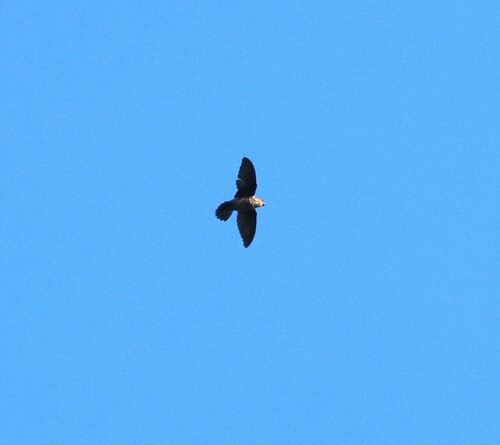 andorinhão-de-sobre-branco
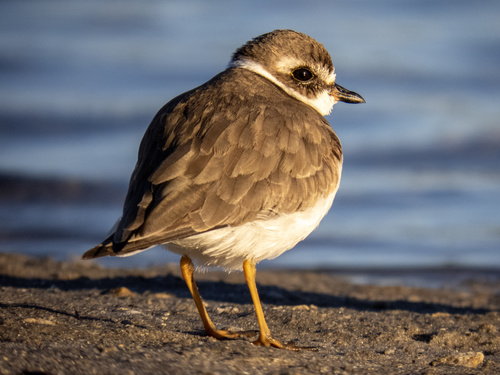 batuíra-de-bando
Em resumo
A maneira mais confiável de separar andorinhão-de-sobre-branco de batuíra-de-bando é pela estrutura geral e estilo de voo: andorinhões são voadores rápidos, com asas em forma de foice e cauda quadrada curta, enquanto batuíras são aves costeiras compactas, de pernas curtas, com cabeça arredondada e uma única faixa peitoral ousada. Andorinhões-de-sobre-branco juvenis mostram pontas brancas em algumas penas das asas, mas mesmo assim, suas longas asas curvadas e voo constante os diferenciam das asas largas e arredondadas da batuíra e seus hábitos terrestres. Batuíras-de-bando adultas são facilmente reconhecidas por sua impressionante faixa negra no pescoço, partes inferiores brancas e bico laranja e negro, que nunca são iguais ao do andorinhão. Se vistos em voo, concentre-se na forma das asas e no comportamento de voo; se empoleirados, a estrutura do bico e das pernas são instantaneamente diagnósticas.
Dicas de identificação
- Estilo de voo: andorinhão-de-sobre-branco é quase sempre visto em voo rápido e direto com batidas de asas rápidas e planando, nunca andando ou parado no chão. batuíra-de-bando é geralmente vista forrageando no chão, correndo ou parada, raramente em voo prolongado.
- Forma das asas: Andorinhões têm asas longas, estreitas e em forma de foice que se alargam no meio e se curvam na ponta, especialmente óbvias em voo. Batuíras têm asas largas e arredondadas, sem ganchos ou saliências.
- Forma da cauda: andorinhão-de-sobre-branco tem uma cauda curta e quadrada; batuíra-de-bando tem uma cauda curta e arredondada, mas isso é menos distintivo do que a cauda do andorinhão em voo.
- Padrão do dorso: Andorinhões mostram uma faixa branca na região do dorso, visível em voo de cima ou de trás; batuíras não têm tal faixa, seu dorso é acastanhado como as costas.
- Partes inferiores: Andorinhões são uniformemente escuros embaixo, com apenas uma garganta ligeiramente mais clara; batuíras têm um ventre e peito brancos com uma única faixa negra ousada no pescoço.
- Padrão da cabeça: Batuíras têm um boné marrom, testa branca, máscara negra e bico laranja e negro; andorinhões têm uma cabeça escura simples, sem marcas faciais contrastantes ou bico brilhante.
- Estrutura do bico: Andorinhões têm um bico pequeno e largo adaptado para capturar insetos em voo; batuíras têm um bico curto e grosso, laranja e negro, adequado para pegar comida do chão.
- Pernas: As pernas dos andorinhões são extremamente curtas e raramente visíveis; batuíras têm pernas curtas, mas visíveis, frequentemente pálidas ou laranjas, e são vistas andando ou correndo.
- Marcas juvenis: Andorinhões-de-sobre-branco juvenis têm pontas brancas em algumas penas das asas, mas mesmo assim, sua estrutura e estilo de voo são inconfundíveis. Batuíras juvenis parecem adultas, mas podem ter marcas menos nítidas; elas nunca mostram penas das asas com pontas brancas.
- Tamanho: Andorinhões são muito menores e mais leves do que batuíras, mas isso é mais óbvio apenas com comparação direta ou em mãos.
- Vocalizações: Se ouvidos, os chamados bisilábicos ou murmurados do andorinhão são únicos e dados em voo; batuíras são geralmente mais silenciosas e chamam do chão.
- Habitat: Andorinhões são aéreos, raramente vistos empoleirados; batuíras são terrestres, quase nunca vistas no ar por muito tempo.
- Comportamento em grupo: Andorinhões frequentemente se alimentam em bandos em altitude; batuíras geralmente estão em pequenos grupos ou sozinhas no chão.
- Contexto: Se você vê um pássaro sobre a água ao amanhecer ou ao anoitecer, especialmente em um bando, considere andorinhão; se em uma praia, lamaçal ou campo, especialmente sozinha ou em um pequeno grupo, considere batuíra.
- Armadilhas: À distância, a faixa branca do dorso de um andorinhão pode ser confundida com as partes inferiores brancas de uma batuíra, mas o estilo de voo do andorinhão e a falta de uma faixa peitoral ousada são fundamentais. Por outro lado, uma batuíra em voo rápido e baixo pode parecer semelhante a um andorinhão, mas suas asas arredondadas e plumagem padronizada a separarão.
Tamanho
Andorinhão-de-sobre-branco é significativamente menor e mais leve do que batuíra-de-bando. O andorinhão mede 10,5–12,6 cm de comprimento e pesa 13,8–18,5 g, enquanto a batuíra é maior, medindo 17–19 cm de comprimento e pesando 37,6–54,7 g. Essa diferença de tamanho é óbvia se ambos forem vistos juntos, mas menos óbvia à distância ou em voo. O andorinhão é mais esbelto e alongado, enquanto a batuíra é mais robusta e arredondada.
Plumagem
Andorinhões-de-sobre-branco juvenis têm pontas brancas em algumas penas das asas, mas, de outra forma, tanto os adultos quanto os imaturos são escuros por cima, com uma faixa branca contrastante no dorso e uma garganta ligeiramente mais clara. As partes inferiores do andorinhão são uniformemente escuras, sem qualquer padrão ousado. Em contraste, batuíras-de-bando adultas têm costas e asas acastanhadas, um ventre branco e uma única faixa negra ousada no pescoço, atravessando o peito branco. Seu rosto apresenta um boné marrom, testa branca e uma máscara negra ao redor dos olhos, além de um bico curto laranja e negro. A plumagem da batuíra é muito mais padronizada e contrastante, especialmente na cabeça e no peito, enquanto o andorinhão é mais uniforme, exceto pela faixa no dorso. Nenhuma plumagem de idade ou sazonal da batuíra se assemelha ao aspecto totalmente escuro do andorinhão.
Comportamento
Andorinhões-de-sobre-branco são quase sempre vistos em voo rápido e contínuo, muitas vezes altos acima do chão ou da água, alimentando-se de insetos. Eles raramente se empoleiram em locais abertos. Batuíras-de-bando são forrageadoras terrestres, andando ou correndo em praias, lamaçais ou campos, pegando comida. Seu movimento é mais deliberado e elas são frequentemente vistas paradas ou correndo, em vez de voando. Andorinhões se alimentam em bandos, frequentemente em altitude, enquanto batuíras geralmente estão em pequenos grupos ou sozinhas, sempre no chão ou à beira da água.
Habitat
Andorinhões-de-sobre-branco são insetívoros aéreos encontrados do Panamá até o norte da América do Sul e Trinidad, frequentemente sobre florestas, rios ou águas abertas, raramente pousando à vista. Batuíras-de-bando nidificam em solo aberto no norte da América do Norte e migram para praias costeiras, planícies de maré e campos em toda a América. Se o pássaro estiver no chão, especialmente perto da água ou lama, é quase certamente uma batuíra; se visto apenas no ar, especialmente alto, é provavelmente um andorinhão.
Voz
Andorinhão-de-sobre-branco emite um 'pseee-trr' bisilábico diagnóstico ou um 'prrrree-trtr' murmurante, às vezes com notas repetidas de 'tsee-tsee-tsee'. Os chamados da batuíra-de-bando não são descritos nas notas fornecidas, mas as vocalizações do andorinhão são distintas e úteis se ouvidas. Os chamados do andorinhão são emitidos em voo, enquanto a batuíra é geralmente mais silenciosa e chama do chão ou em voo baixo.
andorinhão-de-sobre-branco · batuíra-de-bando · Minhas aves difíceis