

Motmot

シロオビハリオアマツバメ 対 ミズカキチドリ

Chaetura spinicaudus 対 Charadrius semipalmatus

シロオビハリオアマツバメとミズカキチドリのクイズ
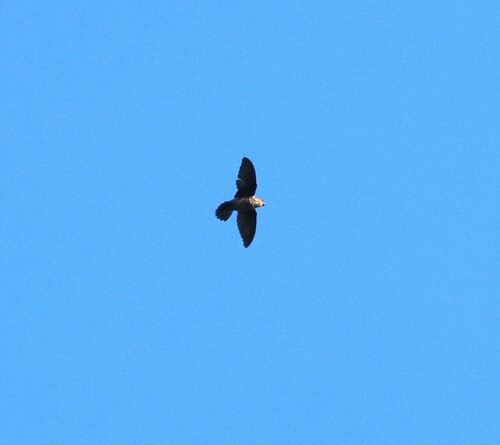
シロオビハリオアマツバメ (Chaetura spinicaudus) シロオビハリオアマツバメ
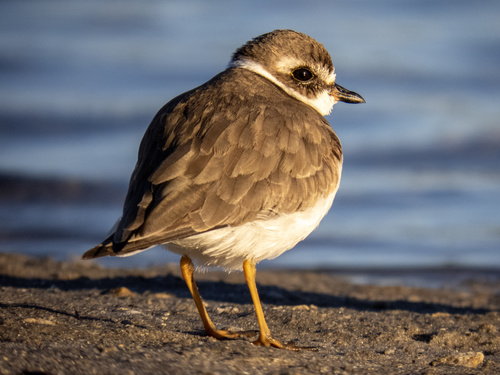
ミズカキチドリ (Charadrius semipalmatus) ミズカキチドリ

メディア

読み込み中…

要点

シロオビハリオアマツバメとミズカキチドリを区別する最も信頼できる方法は、全体的な構造と飛行スタイルによるものです:ハリオアマツバメは、短い四角い尾を持つ速く飛ぶ鎌型の翼を持つ空中の専門家であり、チドリは、丸い頭と1本の太い胸帯を持つコンパクトで短足の海岸鳥です。幼鳥のシロオビハリオアマツバメは、一部の翼の羽毛に白い先端を示しますが、それでも彼らの長くフック状の翼と常に飛んでいる姿勢は、チドリの広く丸い翼と陸上での習性とは異なります。成鳥のミズカキチドリは、その目を引く黒い首帯、白い腹部、オレンジと黒のくちばしによって簡単に認識できますが、これはハリオアマツバメには見られません。飛行中に見られた場合は、翼の形状と飛行行動に注目してください;止まっている場合は、くちばしと脚の構造が瞬時に診断的です。

識別のコツ

  1. Flight style: シロオビハリオアマツバメは、ほぼ常に速く、直接的な飛行で急速な羽ばたきと滑空を伴い、地面を歩いたり立ったりすることはありません。ミズカキチドリは、通常、地面で餌を探している姿が見られ、走ったり静止したりし、長時間の飛行は稀です。
  2. Wing shape: ハリオアマツバメは、中央が膨らみ、先端がフック状になった長く狭い鎌型の翼を持ち、特に飛行中に目立ちます。チドリは、フックや膨らみのない広く丸い翼を持っています。
  3. Tail shape: シロオビハリオアマツバメは短い四角い尾を持ち、ミズカキチドリは短い丸い尾を持っていますが、これは飛行中のハリオアマツバメの尾ほど特徴的ではありません。
  4. Rump pattern: ハリオアマツバメは、飛行中に上からまたは後ろから見える白い帯を示します;チドリにはそのような帯はなく、彼らの尾は背中のように茶色がかっています。
  5. Underparts: ハリオアマツバメは、わずかに明るい喉を除いて、下側は均一に暗いです;チドリは、白い腹部と胸部を持ち、1本の太い黒い首帯があります。
  6. Head pattern: チドリは茶色の帽子、白い額、黒いマスク、オレンジと黒のくちばしを持っています;ハリオアマツバメは、対照的な顔の模様や明るいくちばしのない、無地の暗い頭を持っています。
  7. Bill structure: ハリオアマツバメは、飛行中に昆虫を捕まえるために適応した小さく広い口のくちばしを持っています;チドリは、地面から食べ物をついばむのに適した短くて太いオレンジと黒のくちばしを持っています。
  8. Legs: ハリオアマツバメの脚は非常に短く、ほとんど見えません;チドリは短いが見える脚を持ち、しばしば淡いまたはオレンジ色で、歩いたり走ったりしている姿が見られます。
  9. Juvenile marks: 幼鳥のシロオビハリオアマツバメは、一部の翼の羽毛に白い先端を持っていますが、それでも彼らの構造と飛行スタイルは明確です。幼鳥のチドリは成鳥に似ていますが、模様があまりはっきりしないことがあります;彼らは決して白い先端の翼羽毛を示しません。
  10. Size: ハリオアマツバメはチドリよりもはるかに小さく軽いですが、これは直接比較または手に持ったときに最も明らかです。
  11. Vocalizations: 聞こえた場合、ハリオアマツバメの二音節またはぼやけた鳴き声は独特で、飛行中に発せられます;チドリは一般的に静かで、地面から鳴きます。
  12. Habitat: ハリオアマツバメは空中、ほとんど止まっている姿は見られません;チドリは陸上で、ほとんど空中に長くいることはありません。
  13. Group behavior: ハリオアマツバメは、高度で群れで餌を食べることがよくあります;チドリは通常、小さな群れまたは単独で地面にいます。
  14. Context: もし夜明けや夕暮れに水の上に鳥が見え、特に群れであれば、ハリオアマツバメを考慮してください;もしビーチ、干潟、または田畑に、特に単独または小さな群れであれば、チドリを考慮してください。
  15. Pitfalls: 遠くから見ると、ハリオアマツバメの白い尾帯はチドリの白い腹部と間違えられるかもしれませんが、ハリオアマツバメの飛行スタイルと太い胸帯の欠如が重要です。逆に、速く低く飛ぶチドリはハリオアマツバメのように見えるかもしれませんが、その丸い翼と模様のある羽毛がそれを区別します。

大きさ

シロオビハリオアマツバメはミズカキチドリよりもかなり小さく軽いです。ハリオアマツバメは長さ10.5〜12.6 cm、重さ13.8〜18.5 gで、チドリは17〜19 cmの長さで、重さは37.6〜54.7 gです。このサイズの違いは、両者が一緒に見られると明らかですが、遠くからや飛行中ではそれほど明らかではありません。ハリオアマツバメはより細長く、ミズカキチドリはよりがっしりとして丸みを帯びています。

羽色

幼鳥のシロオビハリオアマツバメは、一部の翼の羽毛に白い先端を持っていますが、その他は成鳥と幼鳥の両方が上面は暗く、対照的な白い尾帯とわずかに明るい喉を持っています。ハリオアマツバメの下側は均一に暗く、目立った模様はありません。対照的に、成鳥のミズカキチドリは灰褐色の背中と翼、白い腹部、白い胸に1本の太い黒い首帯を持っています。彼らの顔は茶色の帽子、白い額、目の周りに黒いマスク、さらに短いオレンジと黒のくちばしを示します。チドリの羽毛は、特に頭部と胸部で、はるかに模様があり対照的であり、ハリオアマツバメは尾帯を除いてより均一です。チドリの年齢や季節による羽毛は、ハリオアマツバメの全体が暗い外観に似ることはありません。

行動

シロオビハリオアマツバメは、ほぼ常に急速で連続的な飛行で見られ、しばしば地面や水の高い位置で昆虫を食べています。彼らはほとんど開けた場所に止まることはありません。ミズカキチドリは地面で餌を探し、ビーチ、干潟、または田畑で歩いたり走ったりして食べ物をついばんでいます。彼らの動きはより慎重で、飛ぶよりも立っているか走っている姿がよく見られます。ハリオアマツバメは群れで餌を食べ、高度で見られることが多いのに対し、チドリは通常、小さな群れまたは単独で、常に地面または水辺にいます。

生息環境

シロオビハリオアマツバメは、パナマから南アメリカ北部およびトリニダードにかけて見られる空中の昆虫食者で、しばしば森林、川、または開水面の上空に生息し、視界に着地することは稀です。ミズカキチドリは北アメリカの開けた地面で繁殖し、アメリカ全土の沿岸のビーチ、干潟、田畑に移動します。もし鳥が地面にいる場合、特に水や泥の近くであれば、ほぼ確実にチドリです;もし空中でのみ見られ、特に高い位置であれば、ハリオアマツバメの可能性が高いです。

声

シロオビハリオアマツバメは、診断的な二音節の「pseee-trr」またはぼやけた「prrrree-trtr」を発し、時には繰り返しの「tsee-tsee-tsee」音を伴います。ミズカキチドリの鳴き声は提供されたメモには記載されていませんが、ハリオアマツバメの鳴き声は独特で、聞こえた場合に役立ちます。ハリオアマツバメの鳴き声は飛行中に発せられ、チドリは一般的に静かで、地面または低い飛行中に鳴きます。

より良い説明を送る

比較と同じ項目を使ってください。文章はすぐに公開されます。

The most reliable way to separate Band-rumped Swift from Semipalmated Plover is by overall structure and flight style: swifts are fast-flying, sickle-winged aerialists with a short square tail, while plovers are compact, short-legged shorebirds with a rounded head and a single bold breast band. Juvenile Band-rumped Swifts show white tips on some wing feathers, but even then, their long, hooked wings and constant flight set them apart from the plover's broad, rounded wings and terrestrial habits. Adult Semipalmated Plovers are easily recognized by their striking black neckband, white underparts, and orange-black bill, which are never matched by the swift. If seen in flight, focus on wing shape and flight behavior; if perched, bill and leg structure are instantly diagnostic.

  1. Flight style: Band-rumped Swift is almost always seen in fast, direct flight with rapid wingbeats and gliding, never walking or standing on the ground. Semipalmated Plover is usually seen foraging on the ground, running or standing still, rarely in prolonged flight.
  2. Wing shape: Swifts have long, narrow, sickle-shaped wings that bulge in the middle and hook at the end, especially obvious in flight. Plovers have broad, rounded wings with no hooks or bulges.
  3. Tail shape: Band-rumped Swift has a short, square tail; Semipalmated Plover has a short, rounded tail, but this is less distinctive than the swift's tail in flight.
  4. Rump pattern: Swifts show a white band across the rump, visible in flight from above or behind; plovers have no such band, their rump is brownish like the back.
  5. Underparts: Swifts are uniformly dark below with only a slightly paler throat; plovers have a white belly and breast with a single bold black neckband.
  6. Head pattern: Plovers have a brown cap, white forehead, black mask, and orange-black bill; swifts have a plain dark head with no contrasting facial marks or bright bill.
  7. Bill structure: Swifts have a tiny, wide-mouthed bill adapted for catching insects in flight; plovers have a short, thick, orange and black bill suited for picking food from the ground.
  8. Legs: Swifts' legs are extremely short and rarely visible; plovers have short but visible legs, often pale or orange, and are seen walking or running.
  9. Juvenile marks: Juvenile Band-rumped Swifts have white tips on some wing feathers, but even then, their structure and flight style are unmistakable. Juvenile plovers look like adults but may have less crisp markings; they never show white-tipped wing feathers.
  10. Size: Swifts are much smaller and lighter than plovers, but this is most obvious only with direct comparison or in the hand.
  11. Vocalizations: If heard, the swift's bisyllabic or burry calls are unique and given in flight; plovers are generally quieter and call from the ground.
  12. Habitat: Swifts are aerial, rarely seen perched; plovers are terrestrial, almost never seen in the air for long.
  13. Group behavior: Swifts often feed in flocks at altitude; plovers are usually in small groups or singles on the ground.
  14. Context: If you see a bird over water at dawn or dusk, especially in a flock, consider swift; if on a beach, mudflat, or field, especially alone or in a small group, consider plover.
  15. Pitfalls: At a distance, a swift's white rump band might be mistaken for a plover's white underparts, but the swift's flight style and lack of bold breast band are key. Conversely, a plover in fast, low flight might seem swift-like, but its rounded wings and patterned plumage will separate it.

Band-rumped Swift is significantly smaller and lighter than Semipalmated Plover. The swift measures 10.5–12.6 cm in length and weighs 13.8–18.5 g, while the plover is larger at 17–19 cm long and weighs 37.6–54.7 g. This size difference is obvious if both are seen together, but less so at a distance or in flight. The swift is more slender and elongated, while the plover is stockier and rounder.

Juvenile Band-rumped Swifts have white tips on some wing feathers, but otherwise both adults and immatures are dark above with a contrasting white rump band and a slightly paler throat. The swift's underparts are uniformly dark, lacking any bold pattern. In contrast, adult Semipalmated Plovers have a gray-brown back and wings, a white belly, and a single bold black neckband across the white breast. Their face shows a brown cap, white forehead, and a black mask around the eyes, plus a short orange and black bill. The plover's plumage is much more patterned and contrasting, especially on the head and breast, while the swift is more uniform except for the rump band. No age or seasonal plumage of the plover ever resembles the swift's all-dark look.

Band-rumped Swifts are almost always seen in rapid, continuous flight, often high above ground or water, feeding on insects. They rarely perch in the open. Semipalmated Plovers are ground-foragers, walking or running on beaches, mudflats, or fields, picking at food. Their movement is more deliberate, and they are often seen standing or running rather than flying. Swifts feed in flocks, often at altitude, while plovers are usually in small groups or alone, always on the ground or at water's edge.

Band-rumped Swifts are aerial insectivores found from Panama through northern South America and Trinidad, often over forests, rivers, or open water, rarely landing in view. Semipalmated Plovers breed on open ground in northern North America and migrate to coastal beaches, tidal flats, and fields throughout the Americas. If the bird is on the ground, especially near water or mud, it is almost certainly a plover; if seen only in the air, especially high up, it is likely a swift.

Band-rumped Swift gives a diagnostic bisyllabic 'pseee-trr' or a burry 'prrrree-trtr', sometimes with repeated 'tsee-tsee-tsee' notes. Semipalmated Plover's calls are not described in the provided notes, but the swift's vocalizations are distinctive and useful if heard. The swift's calls are given in flight, while the plover is generally quieter and calls on the ground or in low flight.

変更を破棄しますか?

保存していない編集があります。今離れると失われます。

シロオビハリオアマツバメ · ミズカキチドリ · 苦手な鳥