
Band-rumped Swift vs Semipalmated Plover
Chaetura spinicaudus contro Charadrius semipalmatus
Fai un quiz con Band-rumped Swift e Semipalmated Plover
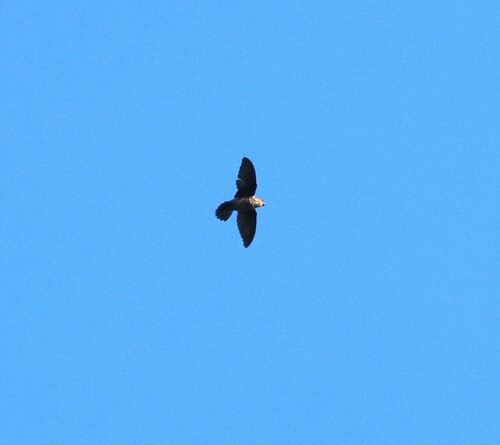 Band-rumped Swift
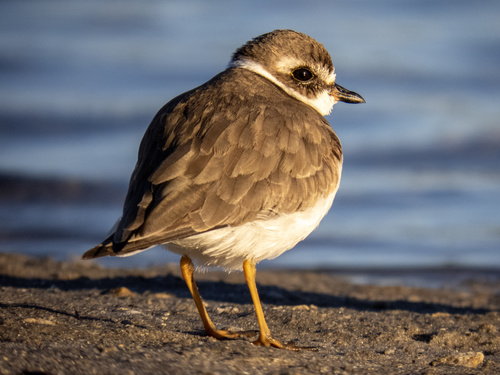 Semipalmated Plover
In breve
Il modo più affidabile per separare il Band-rumped Swift dal Semipalmated Plover è attraverso la struttura generale e lo stile di volo: i swift sono volatori rapidi, con ali a falce e una coda quadrata corta, mentre i plover sono uccelli costieri compatti e a gambe corte con una testa arrotondata e una singola fascia nera sul petto. I giovani Band-rumped Swifts mostrano punte bianche su alcune penne delle ali, ma anche in quel caso, le loro ali lunghe e ricurve e il volo costante li distinguono dalle ali larghe e arrotondate del plover e dalle sue abitudini terrestri. I Semipalmated Plovers adulti sono facilmente riconoscibili per la loro distintiva fascia nera al collo, il ventre bianco e il becco arancio-nero, che non sono mai eguagliati dal swift. Se visti in volo, concentrati sulla forma delle ali e sul comportamento di volo; se posati, la struttura del becco e delle gambe sono istantaneamente diagnostiche.
Consigli di identificazione
- Flight style: Il Band-rumped Swift è quasi sempre visto in volo rapido e diretto con battiti d'ali rapidi e planata, mai camminando o stando in piedi a terra. Il Semipalmated Plover è solitamente visto cercare cibo a terra, correndo o stando fermo, raramente in volo prolungato.
- Wing shape: I swift hanno ali lunghe, strette e a forma di falce che si gonfiano nel mezzo e si curvano alla fine, particolarmente evidenti in volo. I plover hanno ali larghe e arrotondate senza ganci o rigonfiamenti.
- Tail shape: Il Band-rumped Swift ha una coda corta e quadrata; il Semipalmated Plover ha una coda corta e arrotondata, ma questa è meno distintiva rispetto alla coda del swift in volo.
- Rump pattern: I swift mostrano una fascia bianca sulla parte posteriore, visibile in volo dall'alto o da dietro; i plover non hanno tale fascia, la loro parte posteriore è marrone come la schiena.
- Underparts: I swift sono uniformemente scuri sotto con solo una gola leggermente più chiara; i plover hanno un ventre e un petto bianchi con una singola fascia nera audace al collo.
- Head pattern: I plover hanno un cappello marrone, una fronte bianca, una maschera nera e un becco arancio-nero; i swift hanno una testa scura semplice senza segni facciali contrastanti o becco luminoso.
- Bill structure: I swift hanno un becco piccolo e largo adattato per catturare insetti in volo; i plover hanno un becco corto e spesso, arancio e nero, adatto per raccogliere cibo dal terreno.
- Legs: Le gambe dei swift sono estremamente corte e raramente visibili; i plover hanno gambe corte ma visibili, spesso chiare o arancioni, e sono visti camminare o correre.
- Juvenile marks: I giovani Band-rumped Swifts hanno punte bianche su alcune penne delle ali, ma anche in quel caso, la loro struttura e lo stile di volo sono inconfondibili. I giovani plover assomigliano agli adulti ma possono avere segni meno netti; non mostrano mai penne delle ali con punte bianche.
- Size: I swift sono molto più piccoli e leggeri dei plover, ma questo è più evidente solo con un confronto diretto o in mano.
- Vocalizations: Se uditi, i richiami bisillabici o garruli del swift sono unici e emessi in volo; i plover sono generalmente più silenziosi e chiamano da terra.
- Habitat: I swift sono aerei, raramente visti posati; i plover sono terrestri, quasi mai visti in volo per lungo tempo.
- Group behavior: I swift spesso si nutrono in stormi in alta quota; i plover sono solitamente in piccoli gruppi o singoli a terra.
- Context: Se vedi un uccello sopra l'acqua all'alba o al tramonto, specialmente in un gruppo, considera il swift; se su una spiaggia, un'area fangosa o un campo, specialmente da solo o in un piccolo gruppo, considera il plover.
- Pitfalls: Da lontano, la fascia bianca della parte posteriore di un swift potrebbe essere scambiata per il ventre bianco di un plover, ma lo stile di volo del swift e l'assenza di una fascia nera audace sul petto sono fondamentali. Al contrario, un plover in volo rapido e basso potrebbe sembrare simile a un swift, ma le sue ali arrotondate e il piumaggio a motivo lo distingueranno.
Taglia
Il Band-rumped Swift è significativamente più piccolo e leggero del Semipalmated Plover. Il swift misura 10.5–12.6 cm di lunghezza e pesa 13.8–18.5 g, mentre il plover è più grande, lungo 17–19 cm e pesa 37.6–54.7 g. Questa differenza di dimensioni è ovvia se entrambi sono visti insieme, ma meno evidente a distanza o in volo. Il swift è più snodato ed allungato, mentre il plover è più robusto e arrotondato.
Piumaggio
I giovani Band-rumped Swifts hanno punte bianche su alcune penne delle ali, ma altrimenti sia gli adulti che gli immaturi sono scuri sopra con una fascia bianca contrastante sulla parte posteriore e una gola leggermente più chiara. Gli underparts del swift sono uniformemente scuri, privi di qualsiasi motivo audace. Al contrario, gli adulti Semipalmated Plovers hanno un dorso e ali grigio-marroni, un ventre bianco e una singola fascia nera audace al collo attraverso il petto bianco. Il loro viso mostra un cappello marrone, una fronte bianca e una maschera nera attorno agli occhi, oltre a un becco corto arancio e nero. Il piumaggio del plover è molto più a motivo e contrastante, specialmente sulla testa e sul petto, mentre il swift è più uniforme tranne che per la fascia sulla parte posteriore. Nessun piumaggio di età o stagionale del plover assomiglia mai all'aspetto completamente scuro del swift.
Comportamento
I Band-rumped Swifts sono quasi sempre visti in volo rapido e continuo, spesso in alto sopra il terreno o l'acqua, nutrendosi di insetti. Raramente si posano in aperto. I Semipalmated Plovers sono cercatori di cibo a terra, camminando o correndo su spiagge, aree fangose o campi, raccogliendo cibo. Il loro movimento è più deliberato e sono spesso visti in piedi o correre piuttosto che volare. I swift si nutrono in stormi, spesso in alta quota, mentre i plover sono solitamente in piccoli gruppi o soli, sempre a terra o al bordo dell'acqua.
Habitat
I Band-rumped Swifts sono insettivori aerei trovati da Panama attraverso il nord del Sud America e Trinidad, spesso sopra foreste, fiumi o acque aperte, raramente atterrando in vista. I Semipalmated Plovers nidificano su terreni aperti nel nord del Nord America e migrano verso spiagge costiere, pianure di marea e campi in tutto il continente americano. Se l'uccello è a terra, specialmente vicino all'acqua o al fango, è quasi certamente un plover; se visto solo in aria, specialmente in alto, è probabile che sia un swift.
Voce
Il Band-rumped Swift emette un 'pseee-trr' bisillabico diagnostico o un 'prrrree-trtr' garrulo, a volte con note ripetute 'tsee-tsee-tsee'. I richiami del Semipalmated Plover non sono descritti nelle note fornite, ma le vocalizzazioni del swift sono distintive e utili se udite. I richiami del swift vengono emessi in volo, mentre il plover è generalmente più silenzioso e chiama da terra o in volo basso.
Band-rumped Swift · Semipalmated Plover · I miei uccelli difficili