

papa-moscas-de-alder vs taralhão-castanho
Empidonax alnorum versus Muscicapa dauurica
Jogue um quiz com papa-moscas-de-alder e taralhão-castanho
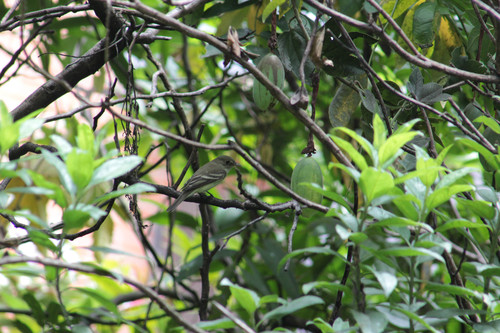 papa-moscas-de-alder
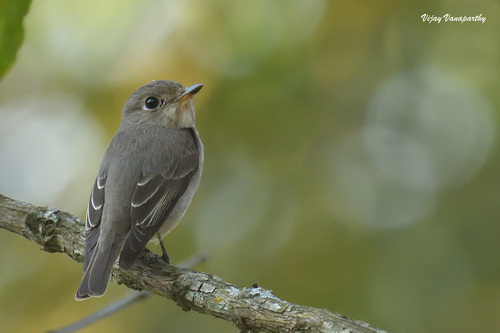 taralhão-castanho
Em resumo
A marca de campo mais confiável entre o papa-moscas-de-alder e o taralhão-castanho é a coloração das asas e das partes superiores em juvenis e a estrutura do bico e do rosto em adultos. Os juvenis de papa-moscas-de-alder apresentam partes superiores acastanhadas e barras alares amarelo-buff, enquanto os juvenis de taralhão-castanho têm partes superiores marrons escamosas e um peito mais manchado. Os adultos podem ser separados pelas tonalidades verde-oliva do papa-moscas-de-alder e suas fortes barras alares brancas em contraste com as partes superiores cinza-marrons mais simples do taralhão-castanho e suas marcas de asas mais sutis. A cor e a forma do bico, assim como diferenças sutis no padrão do rosto, também são úteis, especialmente à queima-roupa. A voz é um fator decisivo em campo se ouvida.
Dicas de identificação
- Padrão das asas e partes superiores de juvenis/primeiro inverno: Procure por partes superiores acastanhadas e barras alares amarelo-buff nítidas em jovens papa-moscas-de-alder; os juvenis de taralhão-castanho são marrons escamosos acima e no peito, com barras alares muito menos distintas.
- Barras alares de adultos: Os adultos de papa-moscas-de-alder têm barras alares brancas fortes e tertiais com bordas brancas; os adultos de taralhão-castanho têm barras alares muito mais fracas e menos contraste nas asas.
- Cor das partes superiores: O papa-moscas-de-alder é verde-oliva acima, especialmente os adultos frescos; o taralhão-castanho é cinza-marron a marrom, sem tons de oliva, e pode parecer mais simples no geral.
- Padrão do rosto: O papa-moscas-de-alder apresenta anéis oculares brancos finos e um rosto mais contrastante; o taralhão-castanho tem um rosto mais simples, com óculos menos óbvios e um anel ocular mais difuso, especialmente na subespécie poonensis.
- Cor e forma do bico: O papa-moscas-de-alder tem um bico de base larga com uma mandíbula inferior rosada ou amarelo-laranja e uma mandíbula superior preta; o taralhão-castanho tem um bico relativamente grande, de base larga, mas mais escuro, às vezes com uma mandíbula inferior pálida em algumas populações.
- Garganta e peito: O papa-moscas-de-alder tem uma garganta branca com uma faixa peitoral mais escura; o taralhão-castanho tem uma garganta e partes inferiores esbranquiçadas, mas o peito e os flancos são tingidos de marrom e podem ser manchados em juvenis.
- Cauda e comportamento: O papa-moscas-de-alder é ligeiramente mais curto na cauda e frequentemente levanta a cauda para cima; o taralhão-castanho tem uma cauda mais longa, é mais esbelto e não levanta a cauda da mesma forma.
- Postura empoleirada: O papa-moscas-de-alder frequentemente se senta mais horizontalmente e baixo na vegetação; o taralhão-castanho empoleira-se mais ereto e frequentemente mais alto.
- Contexto de habitat: O papa-moscas-de-alder é encontrado em matagais úmidos e arbustivos, geralmente em áreas baixas; o taralhão-castanho prefere florestas abertas, bordas ou parques, e é um vagante raro na América do Norte.
- Vocalizações: A canção 'fee-bee-o' do papa-moscas-de-alder e o chamado agudo 'pit' são diagnósticos; o taralhão-castanho é muito mais silencioso e não possui essas vocalizações.
- Projeção primária/fórmula das asas: Na mão ou em boas fotos, o papa-moscas-de-alder pode ser separado de outros Empidonax por razões de penas primárias, mas isso não é útil para o taralhão-castanho, que não é um Empidonax.
- Sexo e estação: Não há dimorfismo sexual forte em nenhuma das espécies; concentre-se na plumagem relacionada à idade para separação.
- Armadilhas: Não confie apenas no tamanho, pois ambos são semelhantes; cuidado com os papa-moscas-de-alder de plumagem opaca que parecem simples, mas a combinação de tons de oliva, barras alares fortes e o movimento da cauda é distintiva.
- Contexto geográfico: Se visto na América do Norte, o taralhão-castanho é extremamente raro; na Eurásia, o papa-moscas-de-alder não ocorre.
- Quando em dúvida: Se você ouvir a canção, a identificação é direta. Se em silêncio, concentre-se na plumagem juvenil e na força das barras alares, cor do bico e habitat.
Tamanho
Ambas as espécies são semelhantes em comprimento, com o papa-moscas-de-alder medindo 13–17 cm e o taralhão-castanho cerca de 13 cm [wikipedia][avonet]. O papa-moscas-de-alder é ligeiramente mais pesado (12–14 g) e tem uma envergadura mais ampla (21–24 cm) em comparação com o taralhão-castanho (envergadura não especificada, mas geralmente mais esbelto e com aparência de cauda mais longa). No campo, o tamanho sozinho não é confiável para separação.
Plumagem
-
Juvenil/Primeiro inverno: Os juvenis de papa-moscas-de-alder têm partes superiores acastanhadas, partes inferiores amarelas e barras alares amarelo-buff. Os juvenis de taralhão-castanho apresentam partes superiores marrons escamosas, cabeça e peito, sem as fortes barras alares do papa. O peito e os flancos do taralhão são mais manchados, e a impressão geral é mais simples e difusa do que as barras alares nítidas e buff do jovem papa.
-
Adulto: Os adultos de papa-moscas-de-alder são de um verde-oliva opaco acima, com uma coroa ligeiramente mais escura, garganta branca e uma faixa peitoral mais escura. Eles têm barras alares brancas distintas e tertiais com bordas brancas. Os adultos de taralhão-castanho são cinza-marrons acima (tornando-se mais cinzentos com a idade), com partes inferiores esbranquiçadas e flancos tingidos de marrom. Suas barras alares são muito menos contrastantes, e o rosto é mais simples, com anéis oculares e óculos menos óbvios do que o papa. A cor do bico difere: o papa tem uma mandíbula inferior rosada ou amarelo-laranja, enquanto o bico do taralhão é mais escuro, às vezes com uma mandíbula inferior pálida em algumas subespécies.
Comportamento
O papa-moscas-de-alder é conhecido por seu movimento de levantar a cauda para cima, especialmente ao cantar ou quando agitado, um comportamento não típico do taralhão-castanho. O taralhão-castanho frequentemente empoleira-se ereto e pode parecer mais esbelto e com cauda mais longa, às vezes movendo suas asas, mas não a cauda. O papa-moscas-de-alder é mais provável de ser visto em densos matagais úmidos, frequentemente baixo na vegetação, enquanto o taralhão-castanho pode ser encontrado em florestas mais abertas ou habitats de borda, frequentemente mais alto.
Habitat
O papa-moscas-de-alder se reproduz em matagais úmidos, especialmente aqueles dominados por álamo, bétula ou bordo, e geralmente é encontrado baixo em áreas arbustivas e úmidas. O taralhão-castanho é mais típico de florestas abertas, bordas de floresta ou parques, e não está ligado a matagais úmidos. Se visto na América do Norte, o taralhão-castanho é um vagante raro, geralmente em habitats abertos ou de borda, enquanto o papa é um reprodutor regular no habitat adequado.
Voz
O papa-moscas-de-alder tem uma canção distinta e aguda 'fee-bee-o' e uma variedade de chamados, incluindo uma nota 'pit' e vários chamados agressivos ou de excitação. Essas vocalizações são diagnósticas e não são igualadas pelo taralhão-castanho, que tem uma canção muito mais suave e menos distinta e é geralmente mais silencioso. Se você ouvir uma canção semelhante a Empidonax, você está quase certamente lidando com o papa-moscas-de-alder.
papa-moscas-de-alder · taralhão-castanho · Minhas aves difíceis