

Motmot

キタメジロハエトリ 対 コサメビタキ

Empidonax alnorum 対 Muscicapa dauurica

キタメジロハエトリとコサメビタキのクイズ
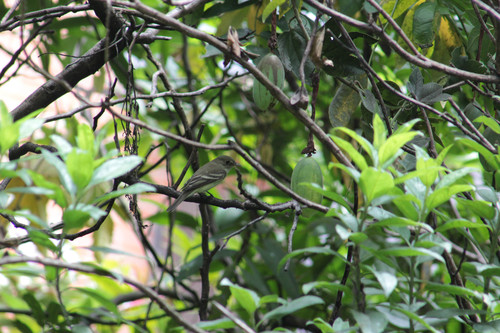
キタメジロハエトリ (Empidonax alnorum) キタメジロハエトリ
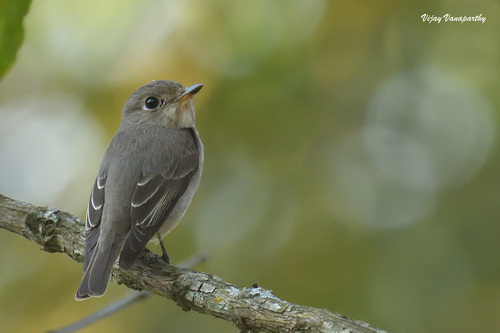
コサメビタキ (Muscicapa dauurica) コサメビタキ

メディア

読み込み中…

要点

キタメジロハエトリとコサメビタキの最も信頼できるフィールドマークは、幼鳥の翼と上面の色彩、成鳥のくちばしと顔の構造です。幼鳥のキタメジロハエトリは茶色がかった上面と黄色がかったバフ色の翼帯を示し、幼鳥のコサメビタキは鱗状の茶色の上面とよりまだらな胸を持っています。成鳥は、キタメジロハエトリのオリーブグリーンのトーンと強い白い翼帯と、コサメビタキのより地味な灰色がかった茶色の上面と控えめな翼の模様によって区別できます。くちばしの色と形、顔の模様の微妙な違いも役立ちます、特に近距離で。声はフィールドで聞こえた場合の決定的な要素です。

識別のコツ

  1. 幼鳥/初冬の翼と上面のパターン: 若いキタメジロハエトリの茶色がかった上面と鮮明な黄色がかったバフ色の翼帯を探してください。コサメビタキの幼鳥は上面と胸が鱗状の茶色で、翼帯はあまり明確ではありません。
  2. 成鳥の翼帯: キタメジロハエトリの成鳥は強い白い翼帯と白い縁取りの三次羽を持っています。コサメビタキの成鳥は非常に淡い翼帯と翼のコントラストが少ないです。
  3. 上面の色: キタメジロハエトリは特に新鮮な成鳥ではオリーブグリーンがかった上面を持っています。コサメビタキは灰色がかった茶色から茶色で、オリーブのトーンがなく、全体的に地味に見えることがあります。
  4. 顔の模様: キタメジロハエトリは薄い白い目のリングとより対照的な顔を示します。コサメビタキは地味な顔を持ち、目のリングがあまり目立たず、特にpoonensis亜種ではより拡散した目のリングがあります。
  5. くちばしの色と形: キタメジロハエトリは広い基部のくちばしを持ち、下顎はピンクがかったまたは黄色がかったオレンジ色で、上顎は黒です。コサメビタキは比較的大きく、広い基部のくちばしを持ちますが、より暗い色をしており、時々一部の個体群では淡い下顎を持つことがあります。
  6. 喉と胸: キタメジロハエトリは白い喉と暗い胸の帯を持っています。コサメビタキは白っぽい喉と腹部を持ちますが、胸と側面は茶色がかっており、幼鳥ではまだらになることがあります。
  7. 尾とジズ: キタメジロハエトリは尾が少し短く、しばしば尾を上に振ります。コサメビタキは尾が長く、より細身で、同じように尾を振ることはありません。
  8. 止まり方: キタメジロハエトリはしばしばより水平に、低い位置で植生に止まります。コサメビタキはより直立して止まり、しばしば高い位置にいます。
  9. 生息環境の文脈: キタメジロハエトリは湿った低木の茂みで見られ、通常は低い位置にいます。コサメビタキは開けた森林、エッジ、または公園を好み、北アメリカでは珍しい迷鳥です。
  10. 鳴き声: キタメジロハエトリの「フィービーオ」という歌と鋭い「ピット」という呼び声は診断的です。コサメビタキははるかに静かで、これらの鳴き声がありません。
  11. 主羽の投影/翼の公式: 手の中または良い写真では、キタメジロハエトリは主羽の比率によって他のEmpidonaxと区別できますが、これはコサメビタキには役立ちません。コサメビタキはEmpidonaxではありません。
  12. 性別と季節: どちらの種にも強い性差はありません。分離のためには年齢に関連する羽毛に焦点を当ててください。
  13. 落とし穴: サイズだけに頼らないでください。両者は似ています。地味な羽毛のキタメジロハエトリが地味に見えることがありますが、オリーブのトーン、強い翼帯、尾の振りの組み合わせは独特です。
  14. 地理的文脈: 北アメリカで見られた場合、コサメビタキは非常に珍しいです。ユーラシアではキタメジロハエトリは発生しません。
  15. 疑問がある場合: 歌を聞いた場合、同定は簡単です。静かな場合は、幼鳥の羽毛と翼帯の強さ、くちばしの色、生息環境に焦点を当ててください。

大きさ

両種は長さが似ており、キタメジロハエトリは13–17 cm、コサメビタキは約13 cmです [wikipedia][avonet]。キタメジロハエトリはやや重く(12–14 g)、翼幅が広い(21–24 cm)ですが、コサメビタキは(翼幅は指定されていませんが、一般的により細身で尾が長い外観です)。フィールドでは、サイズだけでは分離するのは信頼できません。

羽色

行動

キタメジロハエトリは、特に歌っているときや興奮しているときに尾を上に振ることで知られており、これはコサメビタキには典型的ではありません。コサメビタキはしばしば直立して止まり、より細身で尾が長く見えることがあり、時々翼を振りますが、尾は振りません。キタメジロハエトリは密な湿った茂みで見られる可能性が高く、しばしば低い位置にいますが、コサメビタキはより開けた森林やエッジの生息地で見られることが多く、しばしば高い位置にいます。

生息環境

キタメジロハエトリは湿った茂みで繁殖し、特にアラダー、カバノキ、またはカエデが支配する場所で見られ、通常は低い茂みや湿った地域にいます。コサメビタキは開けた森林、森林のエッジ、または公園に典型的で、湿った茂みには結びついていません。北アメリカで見られた場合、コサメビタキは珍しい迷鳥で、通常は開けたまたはエッジの生息地にいますが、キタメジロハエトリは適切な生息環境で定期的に繁殖します。

声

キタメジロハエトリは独特で鋭い「フィービーオ」という歌とさまざまな呼び声を持ち、「ピット」という音やいくつかの攻撃的または興奮した呼び声が含まれます。これらの鳴き声は診断的で、コサメビタキには一致しません。コサメビタキははるかに柔らかく、あまり特徴的でない歌を持ち、一般的に静かです。Empidonaxのような歌を聞いた場合、ほぼ確実にキタメジロハエトリに関わっています。

より良い説明を送る

比較と同じ項目を使ってください。文章はすぐに公開されます。

The most reliable field mark between Alder Flycatcher and Asian Brown Flycatcher is the wing and upperpart coloration in juveniles and the structure of the bill and face in adults. Juvenile Alder Flycatchers show brownish upperparts and yellowish-buff wingbars, while juvenile Asian Brown Flycatchers have scaly brown upperparts and a more mottled breast. Adults can be separated by the Alder Flycatcher's olive-green tones and strong white wingbars versus the Asian Brown Flycatcher's plainer grey-brown upperparts and more subdued wing markings. Bill color and shape, as well as subtle differences in face pattern, are also useful, especially at close range. Voice is a clincher in the field if heard.

  1. Juvenile/First-winter wing and upperpart pattern: Look for brownish upperparts and crisp, yellowish-buff wingbars in young Alder Flycatcher; Asian Brown Flycatcher juveniles are scaly brown above and on the breast, with much less distinct wingbars.
  2. Adult wingbars: Alder Flycatcher adults have strong, white wingbars and white-edged tertials; Asian Brown Flycatcher adults have much fainter wingbars and less contrast on the wing.
  3. Upperpart color: Alder Flycatcher is olive-greenish above, especially fresh adults; Asian Brown Flycatcher is grey-brown to brown, lacking olive tones, and may appear plainer overall.
  4. Face pattern: Alder Flycatcher shows thin white eye-rings and a more contrasting face; Asian Brown Flycatcher has a plainer face, with less obvious spectacles and a more diffuse eye-ring, especially in the poonensis subspecies.
  5. Bill color and shape: Alder Flycatcher has a broad-based bill with a pinkish or yellow-orange lower mandible and black upper mandible; Asian Brown Flycatcher has a relatively large, broad-based, but darker bill, sometimes with a pale lower mandible in some populations.
  6. Throat and breast: Alder Flycatcher has a white throat with a darker breast band; Asian Brown Flycatcher has a whitish throat and underparts, but the breast and flanks are tinged brown and may be mottled in juveniles.
  7. Tail and jizz: Alder Flycatcher is slightly shorter-tailed and often flicks its tail upward; Asian Brown Flycatcher is longer-tailed, more slender, and does not flick its tail in the same way.
  8. Perched posture: Alder Flycatcher often sits more horizontally and low in vegetation; Asian Brown Flycatcher perches more upright and often higher up.
  9. Habitat context: Alder Flycatcher is found in wet, shrubby thickets, usually low down; Asian Brown Flycatcher prefers open woodland, edge, or parkland, and is a rare vagrant in North America.
  10. Vocalizations: Alder Flycatcher's 'fee-bee-o' song and sharp 'pit' call are diagnostic; Asian Brown Flycatcher is much quieter and lacks these vocalizations.
  11. Primary projection/wing formula: In the hand or in good photos, Alder Flycatcher can be separated from other Empidonax by primary feather ratios, but this is not useful for Asian Brown Flycatcher, which is not an Empidonax.
  12. Sex and season: No strong sexual dimorphism in either species; focus on age-related plumage for separation.
  13. Pitfalls: Do not rely on size alone, as both are similar; beware of dull-plumaged Alder Flycatchers appearing plain, but the combination of olive tones, strong wingbars, and tail flicking is distinctive.
  14. Geographic context: If seen in North America, Asian Brown Flycatcher is extremely rare; in Eurasia, Alder Flycatcher does not occur.
  15. When in doubt: If you hear the song, identification is straightforward. If silent, focus on juvenile plumage and wingbar strength, bill color, and habitat.

Both species are similar in length, with Alder Flycatcher at 13–17 cm and Asian Brown Flycatcher at about 13 cm [wikipedia][avonet]. Alder Flycatcher is slightly heavier (12–14 g) and has a broader wingspan (21–24 cm) compared to Asian Brown Flycatcher (wingspan not specified, but generally more slender and longer-tailed in appearance). In the field, size alone is not reliable for separation.

  • Juvenile/First-winter: Alder Flycatcher juveniles have brownish upperparts, yellow underparts, and yellowish-buff wingbars. Asian Brown Flycatcher juveniles show scaly brown upperparts, head, and breast, lacking the strong wingbars of Alder. The Asian Brown's breast and flanks are more mottled, and the overall impression is plainer and more diffuse than the crisp, buffy wingbars of young Alder.

  • Adult: Alder Flycatcher adults are dull greenish-olive above with a slightly darker crown, white throat, and a darker breast band. They have distinct white wingbars and white-edged tertials. Asian Brown Flycatcher adults are grey-brown above (becoming greyer with age), with whitish underparts and brown-tinged flanks. Their wingbars are much less contrasting, and the face is plainer, with less obvious eye-rings and spectacles than Alder. Bill color differs: Alder has a pinkish or yellow-orange lower mandible, while Asian Brown's bill is darker, sometimes with a pale lower mandible in some subspecies.

Alder Flycatcher is known for its upward tail flicking, especially when singing or agitated, a behavior not typical of Asian Brown Flycatcher. Asian Brown Flycatcher often perches upright and can appear more slender and longer-tailed, sometimes flicking its wings but not its tail. Alder Flycatcher is more likely to be seen in dense, wet thickets, often low in vegetation, while Asian Brown Flycatcher may be found in more open woodland or edge habitats, often higher up.

Alder Flycatcher breeds in wet thickets, especially those dominated by alder, birch, or maple, and is usually found low in shrubby, damp areas. Asian Brown Flycatcher is more typical of open woodland, forest edge, or parks, and is not tied to wet thickets. If seen in North America, Asian Brown Flycatcher is a rare vagrant, usually in open or edge habitats, while Alder is a regular breeder in the right habitat.

Alder Flycatcher has a distinctive, sharp 'fee-bee-o' song and a variety of calls, including a 'pit' note and several aggressive or excitement calls. These vocalizations are diagnostic and are not matched by Asian Brown Flycatcher, which has a much softer, less distinctive song and is generally quieter. If you hear an Empidonax-like song, you are almost certainly dealing with Alder Flycatcher.

変更を破棄しますか?

保存していない編集があります。今離れると失われます。

キタメジロハエトリ · コサメビタキ · 苦手な鳥