

Alder Flycatcher vs Asian Brown Flycatcher
Empidonax alnorum contro Muscicapa dauurica
Fai un quiz con Alder Flycatcher e Asian Brown Flycatcher
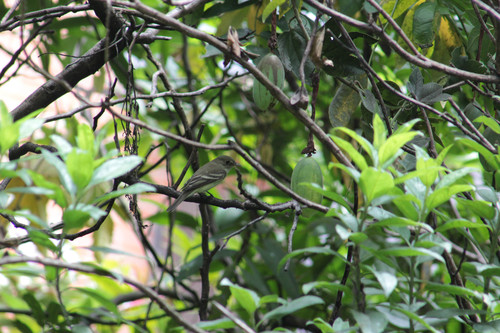 Alder Flycatcher
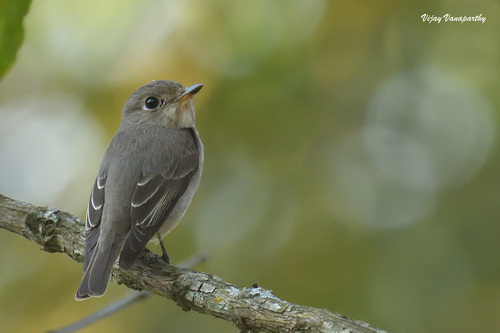 Asian Brown Flycatcher
In breve
Il segno di campo più affidabile tra Alder Flycatcher e Asian Brown Flycatcher è la colorazione delle ali e delle parti superiori nei giovani e la struttura del becco e del viso negli adulti. I giovani Alder Flycatcher mostrano parti superiori bruno-rossicce e barre alari giallo-buff, mentre i giovani Asian Brown Flycatcher hanno parti superiori bruno squamato e un petto più maculato. Gli adulti possono essere separati dai toni verde oliva dell'Alder Flycatcher e dalle forti barre alari bianche rispetto alle parti superiori grigio-brune più semplici dell'Asian Brown Flycatcher e ai segni alari più tenui. Il colore e la forma del becco, così come le sottili differenze nel motivo del viso, sono anche utili, specialmente a distanza ravvicinata. La voce è un elemento decisivo sul campo se udita.
Consigli di identificazione
- Juvenile/First-winter wing and upperpart pattern: Cerca parti superiori bruno-rossicce e barre alari giallo-buff nette nei giovani Alder Flycatcher; i giovani Asian Brown Flycatcher sono bruno squamato sopra e sul petto, con barre alari molto meno distinte.
- Adult wingbars: Gli adulti Alder Flycatcher hanno barre alari bianche forti e terziali con bordi bianchi; gli adulti Asian Brown Flycatcher hanno barre alari molto più deboli e meno contrasto sulle ali.
- Upperpart color: Alder Flycatcher è verde oliva sopra, specialmente negli adulti freschi; Asian Brown Flycatcher è grigio-bruno a bruno, privo di toni oliva, e può apparire più semplice nel complesso.
- Face pattern: Alder Flycatcher mostra anelli oculari bianchi sottili e un viso più contrastante; Asian Brown Flycatcher ha un viso più semplice, con occhiali meno evidenti e un anello oculare più diffuso, specialmente nella sottospecie poonensis.
- Bill color and shape: Alder Flycatcher ha un becco a base larga con una mandibola inferiore rosata o giallo-arancio e una mandibola superiore nera; Asian Brown Flycatcher ha un becco relativamente grande, a base larga, ma più scuro, a volte con una mandibola inferiore chiara in alcune popolazioni.
- Throat and breast: Alder Flycatcher ha una gola bianca con una banda petto più scura; Asian Brown Flycatcher ha una gola e parti inferiori bianche, ma il petto e i fianchi sono colorati di marrone e possono essere maculati nei giovani.
- Tail and jizz: Alder Flycatcher ha una coda leggermente più corta e spesso flicka la coda verso l'alto; Asian Brown Flycatcher ha una coda più lunga, più snella, e non flicka la coda allo stesso modo.
- Perched posture: Alder Flycatcher spesso si siede più orizzontalmente e basso nella vegetazione; Asian Brown Flycatcher si posiziona più eretto e spesso più in alto.
- Habitat context: Alder Flycatcher si trova in cespugli umidi e arbustivi, di solito in basso; Asian Brown Flycatcher preferisce boschi aperti, margini o parchi, ed è un raro vagabondo in Nord America.
- Vocalizations: Il canto 'fee-bee-o' dell'Alder Flycatcher e il richiamo acuto 'pit' sono diagnostici; l'Asian Brown Flycatcher è molto più silenzioso e privo di queste vocalizzazioni.
- Primary projection/wing formula: In mano o in buone foto, Alder Flycatcher può essere separato da altri Empidonax tramite i rapporti delle piume primarie, ma questo non è utile per Asian Brown Flycatcher, che non è un Empidonax.
- Sex and season: Nessun forte dimorfismo sessuale in entrambe le specie; concentrati sul piumaggio legato all'età per la separazione.
- Pitfalls: Non fare affidamento solo sulla dimensione, poiché entrambe sono simili; fai attenzione agli Alder Flycatcher con piumaggio opaco che appaiono semplici, ma la combinazione di toni oliva, barre alari forti e flicking della coda è distintiva.
- Geographic context: Se visto in Nord America, l'Asian Brown Flycatcher è estremamente raro; in Eurasia, l'Alder Flycatcher non si verifica.
- When in doubt: Se senti il canto, l'identificazione è semplice. Se silenzioso, concentrati sul piumaggio giovanile e sulla forza delle barre alari, sul colore del becco e sull'habitat.
Taglia
Entrambe le specie sono simili in lunghezza, con Alder Flycatcher che misura 13–17 cm e Asian Brown Flycatcher circa 13 cm [wikipedia][avonet]. Alder Flycatcher è leggermente più pesante (12–14 g) e ha un'apertura alare più ampia (21–24 cm) rispetto all'Asian Brown Flycatcher (apertura alare non specificata, ma generalmente più snella e con coda più lunga nell'aspetto). Sul campo, la dimensione da sola non è affidabile per la separazione.
Piumaggio
-
Juvenile/First-winter: I giovani Alder Flycatcher hanno parti superiori bruno-rossicce, parti inferiori gialle e barre alari giallo-buff. I giovani Asian Brown Flycatcher mostrano parti superiori bruno squamato, testa e petto, privi delle forti barre alari dell'Alder. Il petto e i fianchi dell'Asian Brown sono più maculati, e l'impressione generale è più semplice e più diffusa rispetto alle barre alari nette e buffe dei giovani Alder.
-
Adult: Gli adulti Alder Flycatcher sono di un verde oliva opaco sopra con una corona leggermente più scura, gola bianca e una banda petto più scura. Hanno barre alari bianche distinte e terziali con bordi bianchi. Gli adulti Asian Brown Flycatcher sono grigio-bruno sopra (diventando più grigi con l'età), con parti inferiori bianche e fianchi colorati di marrone. Le loro barre alari sono molto meno contrastanti, e il viso è più semplice, con anelli oculari e occhiali meno evidenti rispetto all'Alder. Il colore del becco differisce: l'Alder ha una mandibola inferiore rosata o giallo-arancio, mentre il becco dell'Asian Brown è più scuro, a volte con una mandibola inferiore chiara in alcune sottospecie.
Comportamento
Alder Flycatcher è noto per il suo flicking della coda verso l'alto, specialmente quando canta o è agitato, un comportamento non tipico dell'Asian Brown Flycatcher. Asian Brown Flycatcher spesso si posiziona eretto e può apparire più snello e con coda più lunga, a volte flickando le ali ma non la coda. Alder Flycatcher è più probabile che venga visto in cespugli densi e umidi, spesso in basso nella vegetazione, mentre Asian Brown Flycatcher può essere trovato in boschi più aperti o habitat di margine, spesso più in alto.
Habitat
Alder Flycatcher nidifica in cespugli umidi, specialmente quelli dominati da ontano, betulla o acero, e di solito si trova in basso in aree arbustive e umide. Asian Brown Flycatcher è più tipico di boschi aperti, margini forestali o parchi, e non è legato a cespugli umidi. Se visto in Nord America, l'Asian Brown Flycatcher è un raro vagabondo, di solito in habitat aperti o di margine, mentre l'Alder è un nidificante regolare nell'habitat giusto.
Voce
Alder Flycatcher ha un canto distintivo e acuto 'fee-bee-o' e una varietà di richiami, incluso un nota 'pit' e diversi richiami aggressivi o di eccitazione. Queste vocalizzazioni sono diagnostiche e non sono eguagliate dall'Asian Brown Flycatcher, che ha un canto molto più morbido, meno distintivo ed è generalmente più silenzioso. Se senti un canto simile a quello di un Empidonax, stai quasi certamente trattando con Alder Flycatcher.
Alder Flycatcher · Asian Brown Flycatcher · I miei uccelli difficili