

african penduline-tit vs southern penduline-tit
Anthoscopus caroli versus Anthoscopus minutus
Jogue um quiz com african penduline-tit e southern penduline-tit
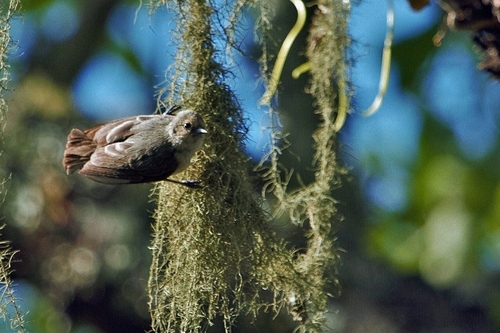 african penduline-tit
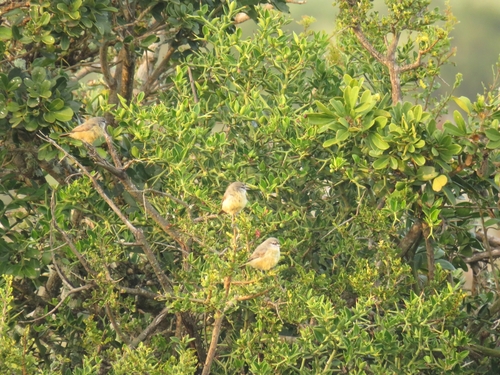 southern penduline-tit
Em resumo
A maneira mais confiável de separar o african penduline-tit do southern penduline-tit é pelo seu habitat e distribuição: o african penduline-tit é amplamente distribuído no leste e centro da África e utiliza uma gama mais ampla de habitats florestais e de savana, enquanto o southern penduline-tit é mais restrito ao sul da África e prefere vegetação de arbustos secos e do tipo mediterrâneo. No campo, ambas as espécies são pequenas e semelhantes em aparência geral, então a confusão é comum, especialmente fora de suas áreas principais. Diferenças estruturais e de plumagem são sutis e não estão bem documentadas nas notas disponíveis, então o contexto e a localização são frequentemente suas melhores pistas. Se você encontrar um penduline tit em habitats secos e arbustivos no sul da África, é mais provável que seja um southern penduline-tit; em savanas ou florestas mais úmidas, especialmente mais ao norte ou a leste, o african penduline-tit é o preferido.
Dicas de identificação
- Verifique sua localização primeiro: Se você estiver ao norte ou a leste da Namíbia, Botswana ou Zimbábue, o african penduline-tit é muito mais provável; o southern penduline-tit está amplamente ausente dessas áreas.
- O contexto do habitat é fundamental: O southern penduline-tit prefere vegetação de arbustos secos e do tipo mediterrâneo, enquanto o african penduline-tit é encontrado em uma gama mais ampla de habitats, incluindo savanas e florestas mais úmidas.
- A sobreposição de distribuição é limitada: Ambas as espécies ocorrem em Angola, Botswana, Namíbia, África do Sul e Zimbábue, mas fora desses países, apenas o african penduline-tit é esperado.
- Sem diferença de tamanho confiável: Ambas as espécies são pequenas e semelhantes em estrutura; não tente separá-las por tamanho no campo.
- A plumagem não é diagnóstica no campo: Nenhuma marca distintiva de plumagem de asa ou corpo específica para idade é descrita nas notas disponíveis. Ambas são típicas em aparência de penduline tits.
- O comportamento não é um separador: Ambas as espécies são propensas a serem forrageadoras ativas, frequentemente vistas em pares ou pequenos grupos.
- Se estiver em dúvida, use habitat e distribuição: Em áreas de sobreposição, priorize o tipo de habitat e a abundância local com base na região.
- Voz não descrita aqui: Não confie em vocalizações para separação, a menos que você tenha acesso a gravações ou guias locais.
- Estação e sexo não são úteis: Nenhuma diferença de plumagem sazonal ou sexual é descrita que ajude na separação.
- **Se você ver um penduline tit em habitats secos e arbustivos do sul da África, incline-se para o southern penduline-tit; em áreas mais úmidas ou mais arborizadas, especialmente fora do sul da África, o african penduline-tit é o padrão.
- Em habitat misto ou locais ambíguos, tenha cautela: Sem pistas claras de habitat ou distribuição, a identificação pode não ser possível apenas com observações de campo.
- Consulte listas de verificação locais: eBird ou guias locais podem fornecer pistas de abundância para seu local específico.
- Fotografe para revisão de especialistas: Se você não tiver certeza, documente o pássaro e busque a experiência local, pois diferenças sutis podem não ser visíveis no campo.
Tamanho
Ambas as espécies estão entre os menores passeriformes africanos e são muito semelhantes em tamanho e estrutura. As fontes disponíveis não fornecem medições ou diferenças de massa que distinguam o african penduline-tit do southern penduline-tit. Espere que ambas apareçam pequenas, com caudas curtas e delicadas, sem diferença de tamanho confiável no campo.
Plumagem
Não há informações detalhadas sobre plumagem ou padrão de asa específicas para idade nas notas fornecidas para nenhuma das espécies. Ambas são descritas como típicas de penduline tits, com diferenças sutis não elaboradas aqui. Nenhuma marca de asa superior juvenil ou imatura é mencionada, portanto, a separação no campo apenas pela plumagem não é apoiada por essas fontes.
Comportamento
Diferenças comportamentais não são descritas nas notas disponíveis. Ambas as espécies provavelmente se comportam de maneira semelhante, forrageando ativamente em pequenos grupos ou pares, frequentemente penduradas em galhos ou coletando insetos, como é típico para penduline tits.
Habitat
O habitat é a característica de separação mais útil no campo. O african penduline-tit ocupa uma ampla gama no leste, centro e sul da África, utilizando florestas secas subtropicais ou tropicais, savanas secas e savanas úmidas. O southern penduline-tit é mais restrito ao sul da África (Angola, Botswana, Namíbia, África do Sul, Zimbábue) e prefere savanas secas, vegetação de arbustos secos subtropicais ou tropicais e vegetação arbustiva do tipo mediterrâneo. Se você estiver em uma área seca, arbustiva ou do tipo mediterrâneo no sul da África, é mais provável que seja um southern penduline-tit; em savanas mais úmidas ou mais arborizadas, especialmente ao norte ou a leste do sul da África, o african penduline-tit é a melhor aposta.
african penduline-tit · southern penduline-tit · Minhas aves difíceis