

Acaciakapokmees vs Kaapse kapokmees
Anthoscopus caroli versus Anthoscopus minutus
Speel een quiz met Acaciakapokmees en Kaapse kapokmees
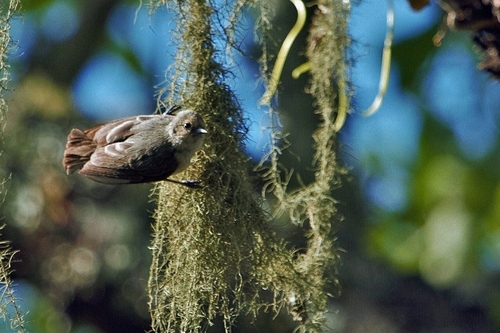 Acaciakapokmees
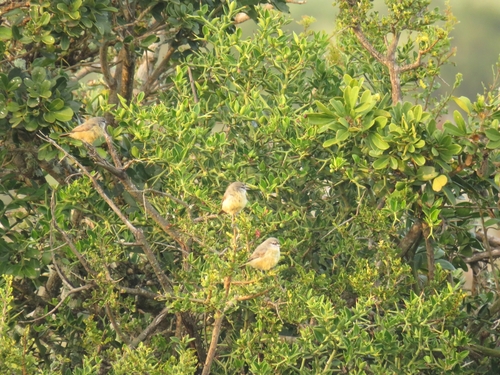 Kaapse kapokmees
Kort gezegd
De meest betrouwbare manier om Acaciakapokmees van Kaapse kapokmees te scheiden is aan de hand van hun habitat en verspreiding: Acaciakapokmees is wijdverspreid in Oost- en Centraal-Afrika en gebruikt een breder scala aan bos- en savannehabitats, terwijl Kaapse kapokmees meer beperkt is tot Zuid-Afrika en de voorkeur geeft aan droge struikgebieden en mediterrane vegetatie. In het veld zijn beide soorten klein en vergelijkbaar in algemene uitstraling, dus verwarring is gebruikelijk, vooral buiten hun kerngebieden. Structurele en verenkleedverschillen zijn subtiel en niet goed gedocumenteerd in de beschikbare notities, dus context en locatie zijn vaak je beste aanwijzingen. Als je een kapokmees tegenkomt in droge, struikachtige habitats in Zuid-Afrika, is de kans groter dat het een Kaapse kapokmees is; in vochtigere savanne of bos, vooral verder naar het noorden of oosten, heeft Acaciakapokmees de voorkeur.
Herkenningstips
- Controleer eerst je locatie: Als je ten noorden of oosten van Namibië, Botswana of Zimbabwe bent, is de kans veel groter dat je een Acaciakapokmees ziet; Kaapse kapokmees is in deze gebieden grotendeels afwezig.
- Habitatcontext is cruciaal: Kaapse kapokmees geeft de voorkeur aan droge struikgebieden en mediterrane vegetatie, terwijl Acaciakapokmees in een breder scala aan habitats voorkomt, inclusief vochtigere savanne en bos.
- Verspreidingsoverlap is beperkt: Beide soorten komen voor in Angola, Botswana, Namibië, Zuid-Afrika en Zimbabwe, maar buiten deze landen wordt alleen Acaciakapokmees verwacht.
- Geen betrouwbare grootteverschillen: Beide soorten zijn klein en vergelijkbaar in structuur; probeer ze niet te scheiden op basis van grootte in het veld.
- Verenkleed is niet diagnostisch in het veld: Er zijn geen onderscheidende leeftijdspecifieke vleugel- of lichaamsverenmerken beschreven in de beschikbare notities. Beide zijn in uiterlijk typische kapokmezen.
- Gedrag is geen scheiding: Beide soorten zijn waarschijnlijk actieve, acrobatische foerageerders, vaak gezien in paren of kleine groepen.
- Bij twijfel, gebruik habitat en verspreiding: In gebieden van overlap, geef prioriteit aan het type habitat en lokale overvloed op basis van de regio.
- Stem niet hier beschreven: Vertrouw niet op vocalisaties voor scheiding, tenzij je toegang hebt tot lokale opnames of gidsen.
- Seizoen en geslacht zijn niet nuttig: Er zijn geen seizoensgebonden of seksuele verenkleedverschillen beschreven die helpen bij scheiding.
- **Als je een kapokmees ziet in droge, struikachtige Zuid-Afrikaanse habitats, neig dan naar Kaapse kapokmees; in vochtigere of meer bosachtige gebieden, vooral buiten Zuid-Afrika, is Acaciakapokmees de standaard.
- Wees voorzichtig in gemengd habitat of onduidelijke locaties: Zonder duidelijke habitat- of verspreidingssignalen kan identificatie alleen op basis van veldwaarnemingen niet mogelijk zijn.
- Raadpleeg lokale checklisten: eBird of lokale gidsen kunnen aanwijzingen geven over de overvloed op jouw specifieke locatie.
- Fotografeer voor deskundige beoordeling: Als je twijfelt, documenteer de vogel en zoek lokale expertise, aangezien subtiele verschillen mogelijk niet zichtbaar zijn in het veld.
Grootte
Beide soorten behoren tot de kleinste Afrikaanse zangvogels en zijn zeer vergelijkbaar in grootte en structuur. De beschikbare bronnen geven geen onderscheidende metingen of massa-verschillen tussen Acaciakapokmees en Kaapse kapokmees. Verwacht dat beide klein, met een korte staart en delicaat lijken, zonder betrouwbare grootteverschillen in het veld.
Verenkleed
Er is geen gedetailleerde, leeftijdspecifieke informatie over het verenkleed of vleugelpatroon in de beschikbare notities voor beide soorten. Beide worden beschreven als typische kapokmezen, met subtiele verschillen die hier niet verder worden uitgelegd. Er worden geen jeugdige of onvolwassen bovenvleugelmerken genoemd, dus veldscheiding op basis van alleen het verenkleed wordt niet ondersteund door deze bronnen.
Gedrag
Gedragsverschillen worden niet beschreven in de beschikbare notities. Beide soorten zullen waarschijnlijk vergelijkbaar gedrag vertonen, actief foeragerend in kleine groepen of paren, vaak hangend aan takken of insecten plukkend, zoals typisch is voor kapokmezen.
Habitat
Habitat is de meest nuttige scheidingskenmerk in het veld. Acaciakapokmees komt voor in een breed scala in Oost-, Centraal- en Zuid-Afrika, gebruikmakend van subtropische of tropische droge bossen, droge savanne en vochtige savanne. Kaapse kapokmees is meer beperkt tot Zuid-Afrika (Angola, Botswana, Namibië, Zuid-Afrika, Zimbabwe) en geeft de voorkeur aan droge savanne, subtropische of tropische droge struikgebieden en mediterrane struikvegetatie. Als je je in een droog, struikachtig of mediterrane-type gebied in Zuid-Afrika bevindt, is de kans groter dat je een Kaapse kapokmees ziet; in vochtigere of meer bosachtige savanne, vooral ten noorden of oosten van Zuid-Afrika, is Acaciakapokmees de betere keuze.