

Motmot

アフリカツリスガラ 対 キバラアフリカツリスガラ

Anthoscopus caroli 対 Anthoscopus minutus

アフリカツリスガラとキバラアフリカツリスガラのクイズ
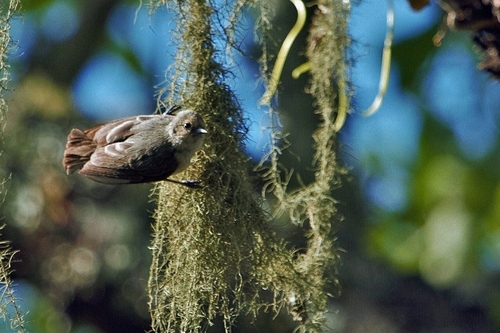
アフリカツリスガラ (Anthoscopus caroli) アフリカツリスガラ
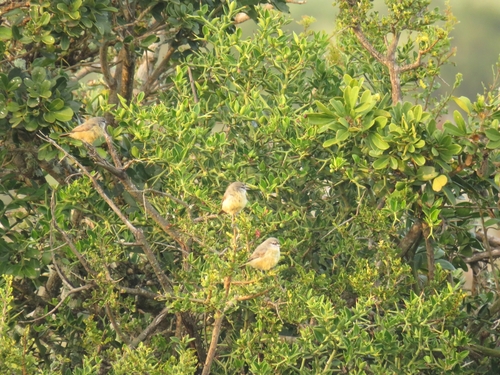
キバラアフリカツリスガラ (Anthoscopus minutus) キバラアフリカツリスガラ

メディア

読み込み中…

要点

アフリカツリスガラとキバラアフリカツリスガラを区別する最も信頼できる方法は、その生息地と分布によるものです:アフリカツリスガラは東部および中央アフリカに広く分布し、より広範な森林やサバンナの生息地を利用しますが、キバラアフリカツリスガラは南部アフリカにより制限され、乾燥した低木地帯や地中海型の植生を好みます。現地では、両種は非常に小さく、全体的な印象が似ているため、特にコアな分布域の外では混同が一般的です。構造的および羽毛の違いは微妙で、利用可能なノートには十分に文書化されていないため、文脈と場所が最良の手がかりとなることが多いです。南部アフリカの乾燥した低木地帯でペンデュリンティットに出会った場合、キバラアフリカツリスガラの可能性が高く、より湿ったサバンナや森林、特に北や東に行くほど、アフリカツリスガラが好まれます。

識別のコツ

  1. Check your location first: ナミビア、ボツワナ、またはジンバブエの北または東にいる場合、アフリカツリスガラの可能性がはるかに高いです。キバラアフリカツリスガラはこれらの地域にはほとんど存在しません。
  2. Habitat context is key: キバラアフリカツリスガラは乾燥した低木地帯や地中海型の植生を好みますが、アフリカツリスガラはより広範な生息地、特に湿ったサバンナや森林に見られます。
  3. Range overlap is limited: 両種はアンゴラ、ボツワナ、ナミビア、南アフリカ、ジンバブエに生息しますが、これらの国の外ではアフリカツリスガラのみが期待されます。
  4. No reliable size difference: 両種は非常に小さく、構造が似ているため、現地でサイズによって区別しようとしないでください。
  5. Plumage is not diagnostic in the field: 利用可能なノートには、特定の年齢に特有の翼や体の羽毛のマークは記載されていません。両方とも外見的には典型的なペンデュリンティットです。
  6. Behavior is not a separator: 両種は活発でアクロバティックな採餌者であり、しばしばペアまたは小グループで見られます。
  7. If in doubt, use habitat and range: 重複する地域では、生息地の種類と地域に基づく地元の豊富さを優先してください。
  8. Voice not described here: 地元の録音やガイドにアクセスできない限り、声に頼って区別しないでください。
  9. Season and sex are not helpful: 区別を助ける季節的または性的な羽毛の違いは記載されていません。
  10. **If you see a penduline tit in dry, shrubby southern African habitats, lean toward キバラアフリカツリスガラ; in moister or more wooded areas, especially outside southern Africa, アフリカツリスガラ is the default.
  11. In mixed habitat or ambiguous locations, be cautious: 明確な生息地や分布の手がかりがない場合、現地の観察だけでは識別が不可能なことがあります。
  12. Consult local checklists: eBirdや地元のガイドは、特定の場所の豊富さの手がかりを提供するかもしれません。
  13. Photograph for expert review: 不明な場合は、鳥を記録し、地元の専門家に相談してください。微妙な違いは現地では見えないことがあります。

大きさ

両種はアフリカの小型のスズメ目の中でも最も小さいものであり、サイズと構造が非常に似ています。利用可能な情報源には、アフリカツリスガラとキバラアフリカツリスガラの間の区別可能な測定値や質量の違いは提供されていません。両方とも非常に小さく、短い尾を持ち、繊細に見えることが期待され、現地での信頼できるサイズの違いはありません。

羽色

提供されたノートには、どちらの種についても詳細な年齢特有の羽毛や翼のパターン情報はありません。両方とも典型的なペンデュリンティットとして説明されており、ここでは微妙な違いが詳述されていません。幼鳥や未熟な上翼のマークは言及されていないため、羽毛だけでの現地での区別はこれらの情報源によって支持されていません。

行動

行動の違いは利用可能なノートには記載されていません。両種はおそらく似たように行動し、小グループやペアで活発に採餌し、しばしば枝からぶら下がったり、昆虫を採取したりします。これはペンデュリンティットに典型的です。

生息環境

生息地は現地での最も有用な区別要素です。アフリカツリスガラは東部、中央、南部アフリカ全体に広がり、亜熱帯または熱帯の乾燥森林、乾燥したサバンナ、湿ったサバンナを利用します。キバラアフリカツリスガラは南部アフリカ(アンゴラ、ボツワナ、ナミビア、南アフリカ、ジンバブエ)により制限され、乾燥したサバンナ、亜熱帯または熱帯の乾燥した低木地帯、地中海型の低木植生を好みます。南部アフリカの乾燥した低木地帯や地中海型の地域にいる場合、キバラアフリカツリスガラの可能性が高く、より湿ったまたは森林の多いサバンナ、特に南部アフリカの北や東では、アフリカツリスガラがより良い選択です。

より良い説明を送る

比較と同じ項目を使ってください。文章はすぐに公開されます。

The most reliable way to separate African Penduline Tit from Southern Penduline Tit is by their habitat and range: African Penduline Tit is widespread in eastern and central Africa and uses a broader range of wooded and savanna habitats, while Southern Penduline Tit is more restricted to southern Africa and prefers dry shrubland and Mediterranean-type vegetation. In the field, both species are tiny and similar in overall jizz, so confusion is common, especially outside their core ranges. Structural and plumage differences are subtle and not well documented in the available notes, so context and location are often your best clues. If you encounter a penduline tit in dry, shrubby habitats in southern Africa, Southern Penduline Tit is more likely; in moister savanna or woodland, especially further north or east, African Penduline Tit is favored.

  1. Check your location first: If you are north or east of Namibia, Botswana, or Zimbabwe, African Penduline Tit is far more likely; Southern Penduline Tit is largely absent from these areas.
  2. Habitat context is key: Southern Penduline Tit prefers dry shrubland and Mediterranean-type vegetation, while African Penduline Tit is found in a wider range of habitats, including moister savanna and woodland.
  3. Range overlap is limited: Both species occur in Angola, Botswana, Namibia, South Africa, and Zimbabwe, but outside these countries, only African Penduline Tit is expected.
  4. No reliable size difference: Both species are tiny and similar in structure; do not attempt to separate them by size in the field.
  5. Plumage is not diagnostic in the field: No distinctive age-specific wing or body plumage marks are described in the available notes. Both are typical penduline tits in appearance.
  6. Behavior is not a separator: Both species are likely to be active, acrobatic foragers, often seen in pairs or small groups.
  7. If in doubt, use habitat and range: In areas of overlap, prioritize habitat type and local abundance based on region.
  8. Voice not described here: Do not rely on vocalizations for separation unless you have access to local recordings or guides.
  9. Season and sex are not helpful: No seasonal or sexual plumage differences are described that aid separation.
  10. **If you see a penduline tit in dry, shrubby southern African habitats, lean toward Southern Penduline Tit; in moister or more wooded areas, especially outside southern Africa, African Penduline Tit is the default.
  11. In mixed habitat or ambiguous locations, be cautious: Without clear habitat or range cues, identification may not be possible from field views alone.
  12. Consult local checklists: eBird or local guides may provide abundance clues for your specific site.
  13. Photograph for expert review: If you are unsure, document the bird and seek local expertise, as subtle differences may not be visible in the field.

Both species are among the smallest African passerines and are very similar in size and structure. The available sources do not provide distinguishing measurements or mass differences between African Penduline Tit and Southern Penduline Tit. Expect both to appear tiny, short-tailed, and delicate, with no reliable size difference in the field.

There is no detailed, age-specific plumage or wing pattern information in the provided notes for either species. Both are described as typical penduline tits, with subtle differences not elaborated here. No juvenile or immature upperwing marks are mentioned, so field separation by plumage alone is not supported by these sources.

Behavioral differences are not described in the available notes. Both species are likely to behave similarly, foraging actively in small groups or pairs, often hanging from branches or gleaning insects, as is typical for penduline tits.

Habitat is the most useful separation feature in the field. African Penduline Tit occupies a wide range across eastern, central, and southern Africa, using subtropical or tropical dry forests, dry savanna, and moist savanna. Southern Penduline Tit is more restricted to southern Africa (Angola, Botswana, Namibia, South Africa, Zimbabwe) and prefers dry savannah, subtropical or tropical dry shrubland, and Mediterranean-type shrubby vegetation. If you are in a dry, shrubby, or Mediterranean-type area in southern Africa, Southern Penduline Tit is more likely; in moister or more wooded savanna, especially north or east of southern Africa, African Penduline Tit is the better bet.

変更を破棄しますか?

保存していない編集があります。今離れると失われます。

アフリカツリスガラ · キバラアフリカツリスガラ · 苦手な鳥