

African Penduline-Tit vs Southern Penduline-Tit
Anthoscopus caroli contro Anthoscopus minutus
Fai un quiz con African Penduline-Tit e Southern Penduline-Tit
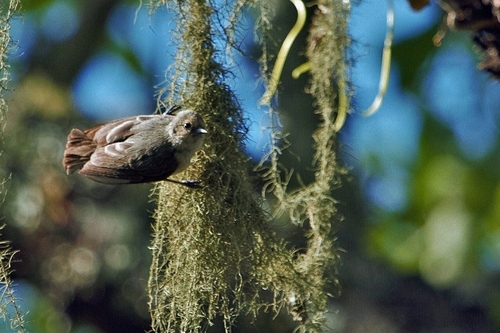 African Penduline-Tit
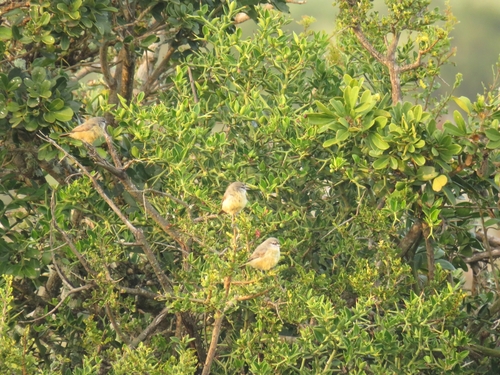 Southern Penduline-Tit
In breve
Il modo più affidabile per separare l'African Penduline-Tit dal Southern Penduline-Tit è attraverso il loro habitat e la loro distribuzione: l'African Penduline-Tit è diffuso nell'Africa orientale e centrale e utilizza una gamma più ampia di habitat boschivi e di savana, mentre il Southern Penduline-Tit è più ristretto all'Africa meridionale e preferisce la vegetazione di arbusti secchi e di tipo mediterraneo. Sul campo, entrambe le specie sono piccole e simili nell'aspetto generale, quindi la confusione è comune, specialmente al di fuori delle loro aree principali. Le differenze strutturali e di piumaggio sono sottili e non ben documentate nelle note disponibili, quindi il contesto e la posizione sono spesso i tuoi migliori indizi. Se incontri un penduline tit in habitat secchi e arbustivi nell'Africa meridionale, è più probabile che si tratti di un Southern Penduline-Tit; in savana o boschi più umidi, specialmente più a nord o a est, è preferito l'African Penduline-Tit.
Consigli di identificazione
- Controlla prima la tua posizione: Se ti trovi a nord o a est di Namibia, Botswana o Zimbabwe, è molto più probabile che tu incontri un African Penduline-Tit; il Southern Penduline-Tit è per lo più assente da queste aree.
- Il contesto dell'habitat è fondamentale: Il Southern Penduline-Tit preferisce la vegetazione di arbusti secchi e di tipo mediterraneo, mentre l'African Penduline-Tit si trova in una gamma più ampia di habitat, inclusi savana e boschi più umidi.
- La sovrapposizione della distribuzione è limitata: Entrambe le specie si trovano in Angola, Botswana, Namibia, Sudafrica e Zimbabwe, ma al di fuori di questi paesi, ci si aspetta solo l'African Penduline-Tit.
- Nessuna differenza di dimensione affidabile: Entrambe le specie sono piccole e simili nella struttura; non tentare di separarle per dimensione sul campo.
- Il piumaggio non è diagnostico sul campo: Non sono descritti segni distintivi di piumaggio specifici per età nelle note disponibili. Entrambe sono tipici penduline tits nell'aspetto.
- Il comportamento non è un separatore: Entrambe le specie sono probabilmente attive, cercatrici acrobatiche, spesso viste in coppie o piccoli gruppi.
- Se hai dubbi, usa habitat e distribuzione: Nelle aree di sovrapposizione, dai priorità al tipo di habitat e all'abbondanza locale in base alla regione.
- Voce non descritta qui: Non fare affidamento sulle vocalizzazioni per la separazione a meno che tu non abbia accesso a registrazioni o guide locali.
- Stagione e sesso non sono utili: Non sono descritte differenze di piumaggio stagionali o sessuali che aiutino nella separazione.
- **Se vedi un penduline tit in habitat secchi e arbustivi dell'Africa meridionale, inclina verso il Southern Penduline-Tit; in aree più umide o boschive, specialmente al di fuori dell'Africa meridionale, l'African Penduline-Tit è la scelta predefinita.
- In habitat misti o in luoghi ambigui, sii cauto: Senza chiari indizi di habitat o distribuzione, l'identificazione potrebbe non essere possibile solo con le osservazioni sul campo.
- Consulta le liste di controllo locali: eBird o guide locali possono fornire indizi sull'abbondanza per il tuo sito specifico.
- Fotografa per una revisione esperta: Se non sei sicuro, documenta l'uccello e cerca esperti locali, poiché differenze sottili potrebbero non essere visibili sul campo.
Taglia
Entrambe le specie sono tra i passeriformi africani più piccoli e sono molto simili in dimensione e struttura. Le fonti disponibili non forniscono misurazioni distintive o differenze di massa tra l'African Penduline-Tit e il Southern Penduline-Tit. Aspettati che entrambe appaiano piccole, con code corte e delicate, senza differenze di dimensione affidabili sul campo.
Piumaggio
Non ci sono informazioni dettagliate sul piumaggio o sul modello delle ali specifiche per età nelle note fornite per entrambe le specie. Entrambe sono descritte come tipici penduline tits, con differenze sottili non elaborate qui. Non sono menzionati segni di ali superiori giovanili o immaturi, quindi la separazione sul campo basata solo sul piumaggio non è supportata da queste fonti.
Comportamento
Le differenze comportamentali non sono descritte nelle note disponibili. Entrambe le specie probabilmente si comportano in modo simile, cercando attivamente in piccoli gruppi o coppie, spesso appese ai rami o a raccogliere insetti, come è tipico per i penduline tits.
Habitat
L'habitat è la caratteristica di separazione più utile sul campo. L'African Penduline-Tit occupa una vasta gamma nell'Africa orientale, centrale e meridionale, utilizzando foreste secche subtropicali o tropicali, savana secca e savana umida. Il Southern Penduline-Tit è più ristretto all'Africa meridionale (Angola, Botswana, Namibia, Sudafrica, Zimbabwe) e preferisce savana secca, vegetazione di arbusti secchi subtropicali o tropicali e vegetazione arbustiva di tipo mediterraneo. Se ti trovi in un'area secca, arbustiva o di tipo mediterraneo nell'Africa meridionale, è più probabile che tu incontri un Southern Penduline-Tit; in savana più umide o boschive, specialmente a nord o a est dell'Africa meridionale, l'African Penduline-Tit è la scelta migliore.
African Penduline-Tit · Southern Penduline-Tit · I miei uccelli difficili