

Verreauxduif vs Antilliaanse treurduif
Leptotila verreauxi versus Zenaida aurita
Speel een quiz met Verreauxduif en Antilliaanse treurduif
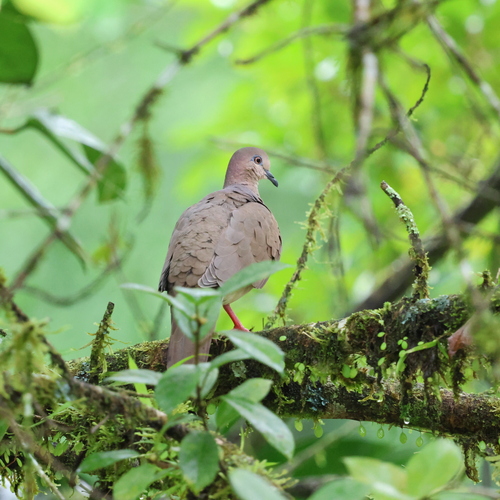 Verreauxduif
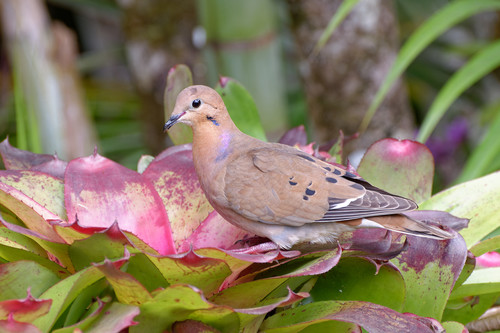 Antilliaanse treurduif
Kort gezegd
Het meest betrouwbare veldkenmerk tussen Verreauxduif en Antilliaanse treurduif is de witte rand aan de achterrand van de vleugel in de vlucht, die aanwezig is bij de Antilliaanse treurduif maar afwezig bij de Verreauxduif. Beide soorten zijn vergelijkbaar in grootte en algemene vorm, maar verschillen subtiel in verenkleed en structuur. Verreauxduif heeft een brede witte punt aan de staart (het beste zichtbaar van onder), terwijl de Antilliaanse treurduif een kortere, meer ronde staart heeft en over het algemeen donkerder is. De kleur van de oogring en subtiele kopkleur kunnen helpen, maar zijn variabel en onbetrouwbaar in sommige regio's. Beide soorten zijn grondvoedende duiven, maar hun voorkeurshabitats en vocalisaties verschillen.
Herkenningstips
- Witte rand aan de vleugel in de vlucht: Antilliaanse treurduif toont een duidelijke witte rand aan de vleugel in de vlucht (alle leeftijden), die nooit aanwezig is bij de Verreauxduif. Let op deze flits van wit wanneer de vogel opvliegt of voorbijvliegt.
- Brede witte punt aan de staart: Verreauxduif heeft een brede witte punt aan de staart, het beste zichtbaar van onder in de vlucht of wanneer de staart is uitgespreid. De staart van de Antilliaanse treurduif is korter, ronder en mist deze brede witte punt.
- Staartvorm: De staart van de Antilliaanse treurduif is duidelijk korter en ronder in vergelijking met de langere, meer vierkante staart van de Verreauxduif. Dit kan worden beoordeeld wanneer vogels zitten of in de vlucht zijn.
- Kleur van hoofd en voorhoofd: Verreauxduif heeft een lichtgrijs of witachtig voorhoofd en keel, met een grijze kroon en nek die soepel overgaan in de rest van het hoofd. Het hoofd van de Antilliaanse treurduif is donkerder en minder contrasterend, met een meer uniforme bruinachtige uitstraling.
- Algemene donkerheid: Antilliaanse treurduif is over het algemeen donkerder en meer uniform bruin boven en onder, terwijl de Verreauxduif lichter is onder en meer contrast heeft tussen het hoofd en het lichaam.
- Kleur van de oogring: Verreauxduif heeft meestal een rode oogring, maar in veel delen van Amazonia en Noord-Zuid-Amerika is deze blauw. Dit kenmerk is onbetrouwbaar in Brazilië, Argentinië, Bolivia, Paraguay en Uruguay, waar beide soorten rode oogringen kunnen hebben. Vertrouw niet alleen op dit kenmerk.
- Kleur van de iris: Verreauxduif heeft een gele iris, die zichtbaar kan zijn van dichtbij. De iris kleur van de Antilliaanse treurduif is hier niet gespecificeerd als diagnostisch.
- Kleur van de ondervleugel: Verreauxduif heeft roestkleurige ondervleugelbedekking, maar dit is zelden zichtbaar, behalve in sterk licht of van dichtbij. De Antilliaanse treurduif toont dit kenmerk niet.
- Kleur van de poten: Beide soorten hebben roodachtige poten; dit is geen nuttig onderscheid.
- Vluchtstijl: Beide soorten hebben een snelle, directe vlucht met regelmatige vleugelslagen, maar de Antilliaanse treurduif kan compacter en wendbaarder lijken door zijn kortere staart.
- Vocalisatie: Luister naar een diepe, holle twee-noten roep van de Verreauxduif ("ooo-wooooo") versus een snellere, rollende, multi-noten roep van de Antilliaanse treurduif ("cooOOoo-coo-coo-coo").
- Habitat: In open of stedelijke gebieden, vooral nabij stranden of kuststruweel, is de Antilliaanse treurduif waarschijnlijker. In dichtere bossen of bosranden is de Verreauxduif typischer.
- Gedrag: Verreauxduif wordt vaker alleen of in paren gezien en is opmerkelijk schuw. Antilliaanse treurduif kan toleranter zijn voor mensen en in kleine groepen worden aangetroffen, vooral nabij water of in stedelijke parken.
- Valstrik – verwarring met Treurduif: Antilliaanse treurduif wordt vaak verward met Treurduif, maar Verreauxduif niet. Als je een duif ziet met een witte rand aan de vleugel in het Caribisch gebied of Yucatán, is het de Antilliaanse, niet de Verreaux.
- Valstrik – kleur van de oogring: Vertrouw niet alleen op de kleur van de oogring in Zuid-Zuid-Amerika, aangezien beide soorten daar rode oogringen kunnen vertonen.
Grootte
Beide soorten zijn zeer vergelijkbaar in grootte, met de Verreauxduif rond de 28 cm in lengte en de Antilliaanse treurduif 28–30 cm. De lichaamsmassa van volwassen vogels is in wezen identiek (Verreauxduif: ~155 g [wikipedia]; Antilliaanse treurduif: 159 g [wikidata]). Er is geen consistent formaatverschil in het veld. De Antilliaanse treurduif kan iets compacter lijken door zijn kortere, meer ronde staart, maar dit is subtiel.
Verenkleed
- In de vlucht (alle leeftijden): Antilliaanse treurduif toont een duidelijke witte rand aan de vleugel, zichtbaar als een flits in de vlucht, die afwezig is bij de Verreauxduif. Verreauxduif toont in plaats daarvan een brede witte punt aan de staart, vooral van onder, maar niet op de vleugel.
- Volwassenen: Verreauxduif heeft een lichtgrijs of witachtig voorhoofd en keel, met een grijzere kroon en nek die minder contrasteren met de achterkroon dan bij de Antilliaanse treurduif. De onderzijde is witachtig met een schaduw naar roze of buff op de borst. De bovenzijde is grijs-bruin. Antilliaanse treurduif is over het algemeen donkerder, met een meer uniforme bruinachtige kleur en minder contrast op het hoofd. Beide soorten hebben roodachtige poten, maar Verreauxduif heeft een gele iris en, afhankelijk van de regio, een rode of blauwe oogring (blauw in veel delen van Amazonia en Noord-Zuid-Amerika; rood elders). De kleur van de oogring van de Antilliaanse treurduif is hier niet diagnostisch.
- Staart: De staart van de Verreauxduif is langer en breed wit getipt, terwijl die van de Antilliaanse treurduif korter, ronder is en de brede witte punt mist.
- Onderwing: Verreauxduif heeft roestkleurige ondervleugelbedekking, maar dit is zelden zichtbaar, behalve in sterk licht of van dichtbij.
Gedrag
Beide soorten foerageren voornamelijk op de grond, voeden zich met zaden en enkele insecten. Verreauxduif wordt meestal alleen of in paren gezien en is opmerkelijk schuw, vaak in de dekking. Antilliaanse treurduif is ook grondvoedend maar kan toleranter zijn voor menselijke aanwezigheid, vooral in stedelijke of semi-stedelijke omgevingen. Beide soorten hebben een snelle, directe vlucht met regelmatige vleugelslagen die typisch zijn voor duiven, maar de Antilliaanse treurduif kan compacter en wendbaarder lijken door zijn kortere staart.
Habitat
Verreauxduif wordt aangetroffen in een verscheidenheid aan bosachtige habitats, vaak in dichtere dekking en minder open gebieden. Antilliaanse treurduif geeft de voorkeur aan open en semi-open habitats, vooral laaglanden, kustvlaktes, struikachtige gebieden, stranden en zelfs sterk verstedelijkte gebieden. In Jamaica kan de Antilliaanse treurduif op hogere hoogtes worden aangetroffen, maar over het algemeen is deze meer geassocieerd met open of randhabitats dan de Verreauxduif.
Geluid
Verreauxduif geeft een diepe, holle twee-noten roep: een inleidende hoot gevolgd door een langere, meer hoorbare, holle noot ("ooo-wooooo"). De roep van de Antilliaanse treurduif is een sneller, treurig "cooOOoo-coo-coo-coo," vergelijkbaar met de Treurduif maar sneller. Beide roepen zijn laag van toon en kunnen zich verspreiden, maar het ritme en het aantal noten verschillen. De roep van de Verreauxduif is meer verspreid en hol; die van de Antilliaanse treurduif is sneller en rollend.