

Paloma Montaraz Común vs Zenaida Caribeña
Leptotila verreauxi frente a Zenaida aurita
Juega un quiz con Paloma Montaraz Común y Zenaida Caribeña
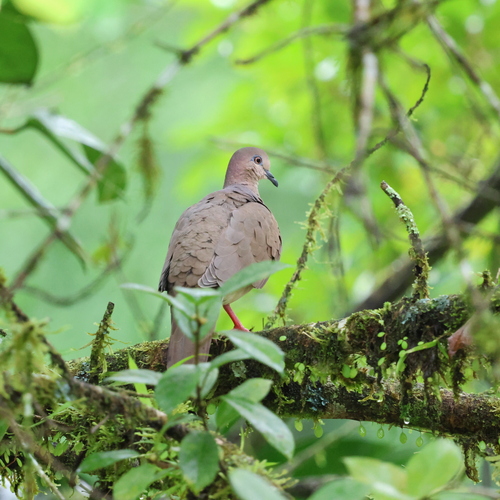 Paloma Montaraz Común
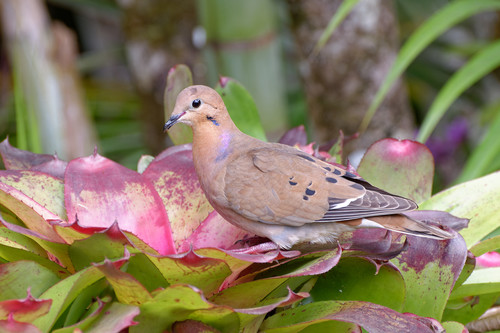 Zenaida Caribeña
En breve
La marca de campo más confiable entre la Paloma Montaraz Común y la Zenaida Caribeña es el blanco en el borde posterior del ala en vuelo, que está presente en la Zenaida Caribeña pero ausente en la Paloma Montaraz Común. Ambas especies son similares en tamaño y forma general, pero difieren sutilmente en plumaje y estructura. La Paloma Montaraz Común muestra una amplia punta blanca en la cola (mejor vista desde abajo), mientras que la Zenaida Caribeña tiene una cola más corta y redondeada y es en general más oscura. El color del anillo ocular y la sutil coloración de la cabeza pueden ayudar, pero son variables e inciertos en algunas regiones. Ambas especies son palomas que forrajean en el suelo, pero sus hábitats preferidos y vocalizaciones difieren.
Consejos de identificación
- Borde posterior blanco en el ala en vuelo: La Zenaida Caribeña muestra un claro borde posterior blanco en el ala en vuelo (todas las edades), que nunca está presente en la Paloma Montaraz Común. Busca este destello de blanco cuando el ave despega o vuela.
- Amplia punta blanca en la cola: La Paloma Montaraz Común tiene una amplia punta blanca en la cola, mejor vista desde abajo en vuelo o cuando la cola está extendida. La cola de la Zenaida Caribeña es más corta, más redondeada y carece de esta amplia punta blanca.
- Forma de la cola: La cola de la Zenaida Caribeña es notablemente más corta y más redondeada en comparación con la cola más larga y cuadrada de la Paloma Montaraz Común. Esto se puede juzgar cuando las aves están posadas o en vuelo.
- Color de la cabeza y frente: La Paloma Montaraz Común tiene una frente y garganta de color gris pálido o blanquecino, con una corona y nuca grises que se mezclan suavemente con el resto de la cabeza. La cabeza de la Zenaida Caribeña es más oscura y menos contrastante, apareciendo más uniformemente marrón.
- Oscuridad general: La Zenaida Caribeña es generalmente más oscura y más uniformemente marrón por encima y por debajo, mientras que la Paloma Montaraz Común es más clara por debajo y tiene más contraste entre la cabeza y el cuerpo.
- Color del anillo ocular: La Paloma Montaraz Común generalmente tiene un anillo ocular rojo, pero en gran parte de la Amazonía y el norte de Sudamérica es azul. Esta marca es poco confiable en Brasil, Argentina, Bolivia, Paraguay y Uruguay, donde ambas especies pueden tener anillos oculares rojos. No confíes únicamente en esta característica.
- Color del iris: La Paloma Montaraz Común tiene un iris amarillo, que puede ser visible a corta distancia. El color del iris de la Zenaida Caribeña no se especifica como diagnóstico.
- Color del ala inferior: La Paloma Montaraz Común tiene cobertores de ala inferior rufo, pero esto rara vez es visible excepto en luz fuerte o vistas cercanas. La Zenaida Caribeña no muestra esta característica.
- Color de las patas: Ambas especies tienen patas rojizas; esta no es una distinción útil.
- Estilo de vuelo: Ambas especies tienen un vuelo rápido y directo con aleteos regulares, pero la Zenaida Caribeña puede parecer más compacta y ágil debido a su cola más corta.
- Vocalización: Escucha un llamado profundo y hueco de dos notas de la Paloma Montaraz Común ("ooo-wooooo") frente a un llamado más rápido, rodante y de múltiples notas de la Zenaida Caribeña ("cooOOoo-coo-coo-coo").
- Hábitat: En áreas abiertas o urbanas, especialmente cerca de playas o matorrales costeros, es más probable encontrar a la Zenaida Caribeña. En bosques más densos o en el borde del bosque, la Paloma Montaraz Común es más típica.
- Comportamiento: La Paloma Montaraz Común es más probable que se vea sola o en parejas y es notablemente cautelosa. La Zenaida Caribeña puede ser más tolerante con las personas y encontrarse en pequeños grupos, especialmente cerca del agua o en parques urbanos.
- Trampa – confusión con la Zenaida Huilota: La Zenaida Caribeña a menudo se confunde con la Zenaida Huilota, pero la Paloma Montaraz Común no. Si ves una paloma con un borde posterior blanco en el ala en el Caribe o Yucatán, es Zenaida, no Paloma Montaraz.
- Trampa – color del anillo ocular: No confíes solo en el color del anillo ocular en el sur de Sudamérica, ya que ambas especies pueden mostrar anillos oculares rojos allí.
Tamaño
Ambas especies son muy similares en tamaño, con la Paloma Montaraz Común alrededor de 28 cm de longitud y la Zenaida Caribeña de 28 a 30 cm. La masa corporal adulta es esencialmente idéntica (Paloma Montaraz Común: ~155 g [wikipedia]; Zenaida Caribeña: 159 g [wikidata]). No hay una diferencia de tamaño consistente en el campo. La Zenaida Caribeña puede parecer ligeramente más compacta debido a su cola más corta y redondeada, pero esto es sutil.
Plumaje
- En vuelo (todas las edades): La Zenaida Caribeña muestra un distintivo borde posterior blanco en el ala, visible como un destello en vuelo, que está ausente en la Paloma Montaraz Común. La Paloma Montaraz Común, en cambio, muestra una amplia punta blanca en la cola, especialmente desde abajo, pero no en el ala.
- Adultos: La Paloma Montaraz Común tiene una frente y garganta de color gris pálido o blanquecino, con una corona y nuca más grises que contrastan menos con la parte posterior de la cabeza que en la Zenaida Caribeña. Sus partes inferiores son blanquecinas con matices rosados o beige en el pecho. Las partes superiores son marrón grisáceo. La Zenaida Caribeña es más oscura en general, con una coloración marrón más uniforme y menos contraste en la cabeza. Ambas especies tienen patas rojizas, pero la Paloma Montaraz Común tiene un iris amarillo y, dependiendo de la región, un anillo ocular rojo o azul (azul en gran parte de la Amazonía y el norte de Sudamérica; rojo en otros lugares). El color del anillo ocular de la Zenaida Caribeña no es diagnóstico aquí.
- Cola: La cola de la Paloma Montaraz Común es más larga y tiene una amplia punta blanca, mientras que la de la Zenaida Caribeña es más corta, más redondeada y carece de la amplia punta blanca.
- Ala inferior: La Paloma Montaraz Común tiene cobertores de ala inferior rufo, pero esto rara vez es visible excepto en luz fuerte o a corta distancia.
Comportamiento
Ambas especies forrajean principalmente en el suelo, alimentándose de semillas y algunos insectos. La Paloma Montaraz Común suele verse sola o en parejas y es notablemente cautelosa, a menudo manteniéndose en la cobertura. La Zenaida Caribeña también forrajea en el suelo, pero puede ser más tolerante con la presencia humana, especialmente en entornos urbanos o semiurbanos. Ambas especies tienen un vuelo rápido y directo con aleteos regulares típicos de las palomas, pero la Zenaida Caribeña puede parecer más compacta y ágil debido a su cola más corta.
Hábitat
La Paloma Montaraz Común se encuentra en una variedad de hábitats forestales, a menudo en coberturas más densas y áreas menos abiertas. La Zenaida Caribeña prefiere hábitats abiertos y semiabiertos, especialmente tierras bajas, llanuras costeras, matorrales arbustivos, playas e incluso áreas altamente urbanizadas. En Jamaica, la Zenaida Caribeña se puede encontrar en elevaciones más altas, pero generalmente está más asociada con hábitats abiertos o de borde que la Paloma Montaraz Común.
Voz
La Paloma Montaraz Común emite un llamado profundo y hueco de dos notas: un ulular introductorio seguido de una nota hueca más larga y audible ("ooo-wooooo"). El llamado de la Zenaida Caribeña es un "cooOOoo-coo-coo-coo" más rápido y melancólico, similar al de la Zenaida Huilota pero más rápido. Ambos llamados son de tono bajo y pueden llevar, pero el ritmo y el número de notas difieren. El llamado de la Paloma Montaraz Común es más espaciado y hueco; el de la Zenaida Caribeña es más rápido y rodante.
Paloma Montaraz Común · Zenaida Caribeña · Mis aves difíciles