

White-tipped Dove vs Zenaida Dove
Leptotila verreauxi contro Zenaida aurita
Fai un quiz con White-tipped Dove e Zenaida Dove
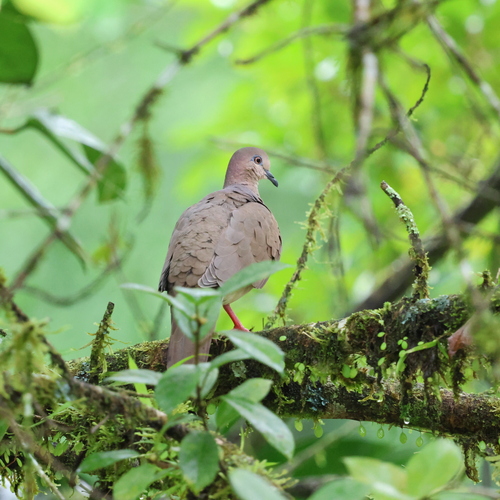 White-tipped Dove
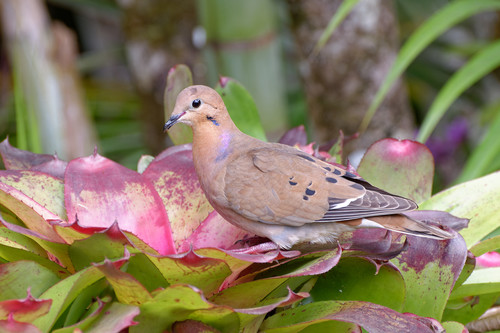 Zenaida Dove
In breve
Il segno distintivo più affidabile tra White-tipped Dove e Zenaida Dove è il bianco sul bordo posteriore dell'ala in volo, presente in Zenaida Dove ma assente in White-tipped Dove. Entrambe le specie sono simili per dimensioni e forma complessiva, ma differiscono sottilmente nel piumaggio e nella struttura. White-tipped Dove mostra una larga punta bianca sulla coda (meglio visibile da sotto), mentre Zenaida Dove ha una coda più corta e arrotondata ed è complessivamente più scura. Il colore dell'anello oculare e la sottile colorazione della testa possono aiutare, ma sono variabili e inaffidabili in alcune regioni. Entrambe le specie sono colombi che si nutrono a terra, ma i loro habitat e vocalizzazioni preferiti differiscono.
Consigli di identificazione
- Bordo posteriore bianco dell'ala in volo: Zenaida Dove mostra un chiaro bordo posteriore bianco sull'ala in volo (tutte le età), che non è mai presente in White-tipped Dove. Cerca questo lampo di bianco quando l'uccello decolla o vola oltre.
- Larga punta bianca sulla coda: White-tipped Dove ha una larga punta bianca sulla coda, meglio visibile da sotto in volo o quando la coda è aperta. La coda di Zenaida Dove è più corta, più arrotondata e priva di questa larga punta bianca.
- Forma della coda: La coda di Zenaida Dove è nettamente più corta e più arrotondata rispetto alla coda più lunga e squadrata di White-tipped Dove. Questo può essere giudicato quando gli uccelli sono posati o in volo.
- Colore della testa e della fronte: White-tipped Dove ha una fronte e una gola grigio chiaro o bianco, con una corona e una nuca grigie che si fondono dolcemente con il resto della testa. La testa di Zenaida Dove è più scura e meno contrastante, apparendo più uniformemente marrone.
- Oscurità complessiva: Zenaida Dove è generalmente più scura e più uniformemente marrone sopra e sotto, mentre White-tipped Dove è più chiara sotto e ha più contrasto tra la testa e il corpo.
- Colore dell'anello oculare: White-tipped Dove di solito ha un anello oculare rosso, ma in gran parte dell'Amazzonia e del nord del Sud America è blu. Questo segno è inaffidabile in Brasile, Argentina, Bolivia, Paraguay e Uruguay, dove entrambe le specie possono avere anelli oculari rossi. Non fare affidamento solo su questa caratteristica.
- Colore dell'iride: White-tipped Dove ha un'iride gialla, che può essere visibile a distanza ravvicinata. Il colore dell'iride di Zenaida Dove non è specificato come diagnostico.
- Colore della parte inferiore dell'ala: White-tipped Dove ha copritrici rufous sulla parte inferiore dell'ala, ma questo è raramente visibile tranne che in forte luce o in vista ravvicinata. Zenaida Dove non mostra questa caratteristica.
- Colore delle zampe: Entrambe le specie hanno zampe rossastre; questa non è una distinzione utile.
- Stile di volo: Entrambe le specie hanno un volo veloce e diretto con battiti regolari delle ali, ma Zenaida Dove può apparire più compatta e agile a causa della sua coda più corta.
- Vocalizzazione: Ascolta un richiamo profondo e cavo a due note di White-tipped Dove ("ooo-wooooo") rispetto a un richiamo più veloce, rotolante e a più note di Zenaida Dove ("cooOOoo-coo-coo-coo").
- Habitat: In aree aperte o urbane, specialmente vicino a spiagge o cespugli costieri, Zenaida Dove è più probabile. In boschi più densi o ai margini delle foreste, White-tipped Dove è più tipica.
- Comportamento: White-tipped Dove è più probabile che venga vista da sola o in coppie ed è notevolmente diffidente. Zenaida Dove può essere più tollerante verso le persone e trovata in piccoli gruppi, specialmente vicino all'acqua o in parchi urbani.
- Trappola – confusione con Mourning Dove: Zenaida Dove è spesso confusa con Mourning Dove, ma White-tipped Dove non lo è. Se vedi un colombo con un bordo posteriore bianco sull'ala nei Caraibi o nello Yucatan, è Zenaida, non White-tipped.
- Trappola – colore dell'anello oculare: Non fare affidamento solo sul colore dell'anello oculare nel sud del Sud America, poiché entrambe le specie possono mostrare anelli oculari rossi lì.
Taglia
Entrambe le specie sono molto simili in dimensioni, con White-tipped Dove di circa 28 cm di lunghezza e Zenaida Dove di 28–30 cm. La massa corporea degli adulti è essenzialmente identica (White-tipped Dove: ~155 g [wikipedia]; Zenaida Dove: 159 g [wikidata]). Non c'è una differenza di dimensioni consistente sul campo. Zenaida Dove può apparire leggermente più compatta a causa della sua coda più corta e arrotondata, ma questo è sottile.
Piumaggio
- In volo (tutte le età): Zenaida Dove mostra un chiaro bordo posteriore bianco sull'ala, visibile come un lampo in volo, che è assente in White-tipped Dove. White-tipped Dove mostra invece una larga punta bianca sulla coda, specialmente da sotto, ma non sull'ala.
- Adulti: White-tipped Dove ha una fronte e una gola grigio chiaro o bianco, con una corona e una nuca più grigie che contrastano meno con la parte posteriore della testa rispetto a Zenaida Dove. Le sue parti inferiori sono bianche che sfumano in rosa o buff sul petto. Le parti superiori sono grigio-marroni. Zenaida Dove è più scura nel complesso, con una colorazione marrone più uniforme e meno contrasto sulla testa. Entrambe le specie hanno zampe rossastre, ma White-tipped Dove ha un'iride gialla e, a seconda della regione, un anello oculare rosso o blu (blu in gran parte dell'Amazzonia e del nord del Sud America; rosso altrove). Il colore dell'anello oculare di Zenaida Dove non è diagnostico qui.
- Coda: La coda di White-tipped Dove è più lunga e ampiamente punta di bianco, mentre quella di Zenaida Dove è più corta, più arrotondata e priva della larga punta bianca.
- Parte inferiore dell'ala: White-tipped Dove ha copritrici rufous sulla parte inferiore dell'ala, ma questo è raramente visibile tranne che in forte luce o a distanza ravvicinata.
Comportamento
Entrambe le specie si nutrono principalmente a terra, alimentandosi di semi e alcuni insetti. White-tipped Dove è di solito vista da sola o in coppie ed è notevolmente diffidente, spesso rimanendo nascosta. Zenaida Dove si nutre anche a terra ma può essere più tollerante verso la presenza umana, specialmente in ambienti urbani o semi-urbani. Entrambe le specie hanno un volo veloce e diretto con battiti regolari delle ali tipici dei piccioni, ma Zenaida Dove può apparire più compatta e agile a causa della sua coda più corta.
Habitat
White-tipped Dove si trova in una varietà di habitat boschivi, spesso in copertura più densa e in aree meno aperte. Zenaida Dove preferisce habitat aperti e semi-aperti, specialmente pianure basse, pianure costiere, cespugli e persino aree altamente urbanizzate. In Giamaica, Zenaida Dove può essere trovata a quote più elevate, ma generalmente è più associata a habitat aperti o ai margini rispetto a White-tipped Dove.
Voce
White-tipped Dove emette un richiamo profondo e cavo a due note: un hoot introduttivo seguito da una nota più lunga, più udibile e cava ("ooo-wooooo"). Il richiamo di Zenaida Dove è un "cooOOoo-coo-coo-coo" più veloce e malinconico, simile a Mourning Dove ma più rapido. Entrambi i richiami sono a basso tono e possono essere uditi a distanza, ma il ritmo e il numero di note differiscono. Il richiamo di White-tipped Dove è più distanziato e cavo; quello di Zenaida Dove è più rapido e rotolante.