

Motmot

シロビタイシャコバト 対 シマハジロバト

Leptotila verreauxi 対 Zenaida aurita

シロビタイシャコバトとシマハジロバトのクイズ
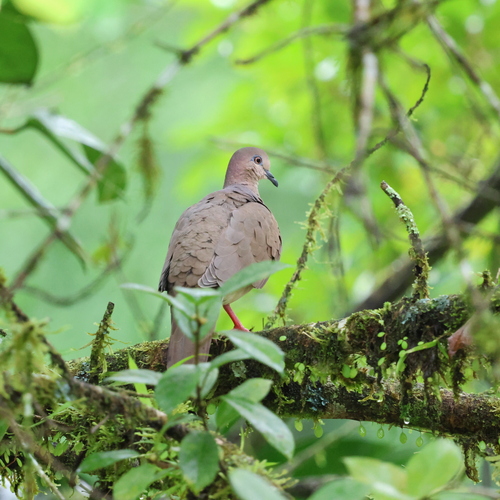
シロビタイシャコバト (Leptotila verreauxi) シロビタイシャコバト
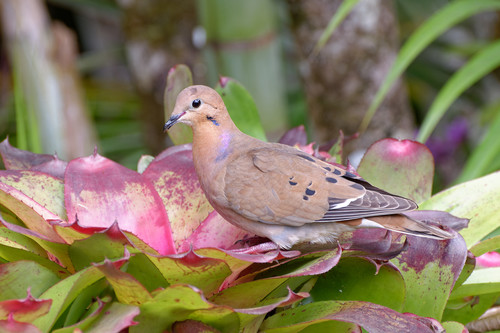
シマハジロバト (Zenaida aurita) シマハジロバト

メディア

読み込み中…

要点

ホワイトティップダブとシマハジロバトの最も信頼できるフィールドマークは、飛行中の翼の後縁にある白色であり、これはシマハジロバトには存在しますが、ホワイトティップダブにはありません。両種はサイズと全体的な形状が似ていますが、羽毛と構造に微妙な違いがあります。ホワイトティップダブは尾に広い白い先端を示し(下から見ると最もよく見えます)、シマハジロバトはより短く、丸みを帯びた尾を持ち、全体的に暗いです。アイリングの色と微妙な頭の色合いが助けになりますが、地域によって変動し、信頼性が低い場合があります。両種は地面で採餌するバトですが、好む生息地と鳴き声は異なります。

識別のコツ

  1. 飛行中の翼の白い後縁: シマハジロバトは、飛行中に翼の明確な白い後縁を示します(すべての年齢)、これはホワイトティップダブには決して存在しません。鳥が飛び立つときや通り過ぎるときにこの白い閃光を探してください。
  2. 尾の広い白い先端: ホワイトティップダブは尾に広い白い先端を持ち、飛行中または尾が広がっているときに下から最もよく見えます。シマハジロバトの尾はより短く、丸みを帯びており、この広い白い先端がありません。
  3. 尾の形: シマハジロバトの尾は、ホワイトティップダブのより長く、より四角い尾と比較して明らかに短く、丸みを帯びています。これは、鳥が止まっているときや飛行中に判断できます。
  4. 頭と額の色: ホワイトティップダブは淡い灰色または白っぽい額と喉を持ち、灰色の冠と後頭部が頭の他の部分と滑らかに混ざり合っています。シマハジロバトの頭はより暗く、対照が少なく、より均一に茶色っぽく見えます。
  5. 全体的な暗さ: シマハジロバトは一般的に上面と下面がより暗く、均一に茶色ですが、ホワイトティップダブは下面がより明るく、頭と体の間により対照があります。
  6. アイリングの色: ホワイトティップダブは通常赤いアイリングを持っていますが、アマゾニアや南アメリカ北部の多くでは青です。このマークはブラジル、アルゼンチン、ボリビア、パラグアイ、ウルグアイでは信頼性が低く、両種が赤いアイリングを持つことがあります。この特徴だけに頼らないでください。
  7. 虹彩の色: ホワイトティップダブは黄色の虹彩を持ち、近距離で見ることができます。シマハジロバトの虹彩の色は診断的に指定されていません。
  8. 翼の下の色: ホワイトティップダブは赤褐色の翼の下の覆羽を持っていますが、これは強い光や近距離でないとほとんど見えません。シマハジロバトはこの特徴を示しません。
  9. 脚の色: 両種は赤みがかった脚を持っていますが、これは有用な区別ではありません。
  10. 飛行スタイル: 両種は速く、直接的な飛行を持ち、規則的な羽ばたきをしますが、シマハジロバトは尾が短いため、よりコンパクトで機敏に見えることがあります。
  11. 鳴き声: ホワイトティップダブの深く、空洞の二音の呼び声("ooo-wooooo")と、シマハジロバトのより速く、転がるような多音の呼び声("cooOOoo-coo-coo-coo")を聞いてください。
  12. 生息地: 開けた地域や都市部、特にビーチや沿岸の低木の近くでは、シマハジロバトがより可能性が高いです。より密な森林や森林の端では、ホワイトティップダブがより典型的です。
  13. 行動: ホワイトティップダブは通常、単独またはペアで見られ、特に警戒心が強いです。シマハジロバトは人に対してより寛容で、小さな群れで見られることがあり、特に水の近くや都市公園で見られます。
  14. 落とし穴 – ナゲキバトとの混同: シマハジロバトはしばしばナゲキバトと混同されますが、ホワイトティップダブはそうではありません。カリブ海やユカタンで翼の白い後縁を持つバトを見たら、それはホワイトティップではなくシマハジロバトです。
  15. 落とし穴 – アイリングの色: 南アメリカ南部ではアイリングの色だけに頼らないでください。両種が赤いアイリングを示すことがあります。

大きさ

両種はサイズが非常に似ており、ホワイトティップダブは約28 cmの長さで、シマハジロバトは28〜30 cmです。成鳥の体重は本質的に同じです(ホワイトティップダブ:約155 g [wikipedia]; シマハジロバト:159 g [wikidata])。フィールドでの一貫したサイズの違いはありません。シマハジロバトはより短く、丸みを帯びた尾のためにわずかにコンパクトに見えることがありますが、これは微妙です。

羽色

行動

両種は主に地面で採餌し、種子や一部の昆虫を食べます。ホワイトティップダブは通常、単独またはペアで見られ、特に警戒心が強く、しばしば隠れています。シマハジロバトも地面で採餌しますが、人間の存在に対してより寛容である可能性があり、特に都市部や準都市部の環境で見られます。両種は速く、直接的な飛行を持ち、鳩に典型的な規則的な羽ばたきをしますが、シマハジロバトは尾が短いため、よりコンパクトで機敏に見えることがあります。

生息環境

ホワイトティップダブはさまざまな森林生息地に見られ、しばしばより密なカバーや開けていない地域にいます。シマハジロバトは開けたおよび半開けた生息地を好み、特に低地、沿岸平野、茂みのある低木地、ビーチ、さらには非常に都市化された地域でも見られます。ジャマイカでは、シマハジロバトはより高い標高で見られますが、一般的にはホワイトティップダブよりも開けたまたはエッジの生息地に関連しています。

声

ホワイトティップダブは深く、空洞の二音の呼び声を出します:導入のフーという音の後に、より長く、より聞こえやすい空洞の音("ooo-wooooo")。シマハジロバトの呼び声は、より速いペースで、悲しげな"cooOOoo-coo-coo-coo"で、ナゲキバトに似ていますが、より迅速です。両方の呼び声は低音で、遠くまで届くことができますが、リズムと音の数が異なります。ホワイトティップダブの呼び声はより間隔があり、空洞であり、シマハジロバトの呼び声はより速く、転がるようです。

より良い説明を送る

比較と同じ項目を使ってください。文章はすぐに公開されます。

The most reliable field mark between White-tipped Dove and Zenaida Dove is the white on the trailing edge of the wing in flight, which is present in Zenaida Dove but absent in White-tipped Dove. Both species are similar in size and overall shape, but differ subtly in plumage and structure. White-tipped Dove shows a broad white tip to the tail (best seen from below), while Zenaida Dove has a shorter, more rounded tail and is overall darker. Eye-ring color and subtle head coloration can help, but are variable and unreliable in some regions. Both species are ground-foraging doves, but their preferred habitats and vocalizations differ.

  1. White trailing edge to wing in flight: Zenaida Dove shows a clear white trailing edge on the wing in flight (all ages), which is never present in White-tipped Dove. Look for this flash of white when the bird takes off or flies past.
  2. Broad white tip to tail: White-tipped Dove has a broad white tip to the tail, best seen from below in flight or when the tail is spread. Zenaida Dove's tail is shorter, more rounded, and lacks this broad white tip.
  3. Tail shape: Zenaida Dove's tail is distinctly shorter and more rounded compared to the longer, more squared tail of White-tipped Dove. This can be judged when birds are perched or in flight.
  4. Head and forehead color: White-tipped Dove has a pale grey or whitish forehead and throat, with a grey crown and nape that blend smoothly into the rest of the head. Zenaida Dove's head is darker and less contrasting, appearing more uniformly brownish.
  5. Overall darkness: Zenaida Dove is generally darker and more uniformly brown above and below, while White-tipped Dove is paler below and has more contrast between the head and body.
  6. Eye-ring color: White-tipped Dove usually has a red eye-ring, but in much of Amazonia and northern South America it is blue. This mark is unreliable in Brazil, Argentina, Bolivia, Paraguay, and Uruguay, where both species can have red eye-rings. Do not rely solely on this feature.
  7. Iris color: White-tipped Dove has a yellow iris, which can be visible at close range. Zenaida Dove's iris color is not specified as diagnostic.
  8. Underwing color: White-tipped Dove has rufous underwing coverts, but this is rarely visible except in strong light or close views. Zenaida Dove does not show this feature.
  9. Leg color: Both species have reddish legs; this is not a useful distinction.
  10. Flight style: Both species have fast, direct flight with regular wingbeats, but Zenaida Dove may appear more compact and agile due to its shorter tail.
  11. Vocalization: Listen for a deep, hollow two-note call from White-tipped Dove ("ooo-wooooo") versus a faster, rolling, multi-note call from Zenaida Dove ("cooOOoo-coo-coo-coo").
  12. Habitat: In open or urban areas, especially near beaches or coastal scrub, Zenaida Dove is more likely. In denser woodland or forest edge, White-tipped Dove is more typical.
  13. Behavior: White-tipped Dove is more likely to be seen alone or in pairs and is notably wary. Zenaida Dove may be more tolerant of people and found in small groups, especially near water or in urban parks.
  14. Pitfall – Mourning Dove confusion: Zenaida Dove is often confused with Mourning Dove, but White-tipped Dove is not. If you see a dove with a white trailing edge to the wing in the Caribbean or Yucatan, it's Zenaida, not White-tipped.
  15. Pitfall – eye-ring color: Do not rely on eye-ring color alone in southern South America, as both species can show red eye-rings there.

Both species are very similar in size, with White-tipped Dove around 28 cm in length and Zenaida Dove 28–30 cm. Adult body mass is essentially identical (White-tipped Dove: ~155 g [wikipedia]; Zenaida Dove: 159 g [wikidata]). There is no consistent size difference in the field. Zenaida Dove may appear slightly more compact due to its shorter, more rounded tail, but this is subtle.

  • In flight (all ages): Zenaida Dove shows a distinct white trailing edge to the wing, visible as a flash in flight, which is absent in White-tipped Dove. White-tipped Dove instead shows a broad white tip to the tail, especially from below, but not on the wing.
  • Adults: White-tipped Dove has a pale grey or whitish forehead and throat, with a greyer crown and nape that contrast less with the hindcrown than in Zenaida Dove. Its underparts are whitish shading to pinkish or buff on the chest. The upperparts are grey-brown. Zenaida Dove is darker overall, with a more uniform brownish coloration and less contrast on the head. Both species have reddish legs, but White-tipped Dove has a yellow iris and, depending on region, a red or blue eye-ring (blue in much of Amazonia and northern South America; red elsewhere). Zenaida Dove's eye-ring color is not diagnostic here.
  • Tail: White-tipped Dove's tail is longer and broadly tipped with white, while Zenaida Dove's is shorter, more rounded, and lacks the broad white tip.
  • Underwing: White-tipped Dove has rufous underwing coverts, but this is rarely visible except in strong light or at close range.

Both species forage mainly on the ground, feeding on seeds and some insects. White-tipped Dove is usually seen alone or in pairs and is notably wary, often keeping to cover. Zenaida Dove is also ground-foraging but may be more tolerant of human presence, especially in urban or semi-urban settings. Both species have fast, direct flight with regular wingbeats typical of pigeons, but Zenaida Dove may appear more compact and agile due to its shorter tail.

White-tipped Dove is found in a variety of woodland habitats, often in denser cover and less open areas. Zenaida Dove prefers open and semi-open habitats, especially lowlands, coastal plains, bushy scrublands, beaches, and even highly urbanized areas. In Jamaica, Zenaida Dove can be found at higher elevations, but generally it is more associated with open or edge habitats than White-tipped Dove.

White-tipped Dove gives a deep, hollow two-note call: an introductory hoot followed by a longer, more audible, hollow note ("ooo-wooooo"). Zenaida Dove's call is a faster-paced, mournful "cooOOoo-coo-coo-coo," similar to Mourning Dove but more rapid. Both calls are low-pitched and can carry, but the rhythm and number of notes differ. White-tipped Dove's call is more spaced and hollow; Zenaida Dove's is more rapid and rolling.

変更を破棄しますか?

保存していない編集があります。今離れると失われます。

シロビタイシャコバト · シマハジロバト · 苦手な鳥