
Witstaartbuizerd vs Grote bonte buizerd
Geranoaetus albicaudatus versus Pseudastur albicollis
Speel een quiz met Witstaartbuizerd en Grote bonte buizerd
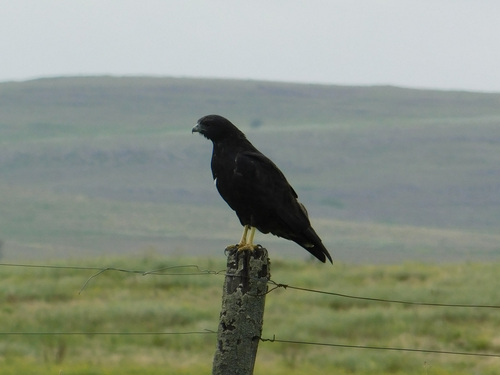 Witstaartbuizerd
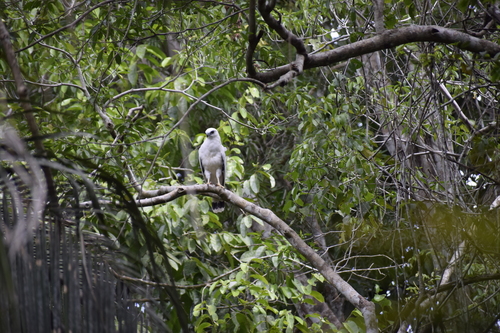 Grote bonte buizerd
Kort gezegd
Het meest betrouwbare veldkenmerk is het staartpatroon in de vlucht: de volwassen Witstaartbuizerd heeft een witte staart met een smalle zwarte band nabij de punt, terwijl de volwassen Grote bonte buizerd een zwarte staart heeft met een brede witte band. Onvolwassen Witstaartbuizerds zijn over het algemeen veel donkerder, met zwartachtige bovenkanten en opvallende zwart-wit gespikkelde vleugelvoeringen, terwijl onvolwassen Grote bonte buizerds voornamelijk wit zijn aan de onderzijde maar uitgebreide zwarte vlekken boven hebben en donkergestreepte onderdelen. Structureel is de Witstaartbuizerd groter en steviger, met langere vleugels en een roestkleurige schoudervlek bij volwassenen, terwijl de Grote bonte buizerd een kortere staart heeft, bredere vleugels en geen roestkleurige vlekken. Beide kunnen zweven, maar de Grote bonte buizerd is strikter een bosvogel en lijkt van onderen opvallend wit.
Herkenningstips
- Staartpatroon in de vlucht (volwassenen): Witstaartbuizerd heeft een witte staart met een smalle zwarte band nabij de punt; Grote bonte buizerd heeft een zwarte staart met een brede witte band. Dit is meestal zichtbaar bij zwevende vogels en is het meest betrouwbare kenmerk voor volwassenen.
- Staartpatroon (onvolwassen): Onvolwassen Witstaartbuizerd heeft een bruine staart met verschillende donkere strepen, die grijzer wordt met een vage donkere band naarmate hij volwassen wordt. Onvolwassen Grote bonte buizerd toont al de zwarte staart met een brede witte band.
- Algemene donkerheid (onvolwassen): Onvolwassen Witstaartbuizerds kunnen er bijna zwart uitzien boven en onder in slecht licht, vooral als de witte onderdelen beperkt zijn. Onvolwassen Grote bonte buizerds zijn voornamelijk wit aan de onderzijde, met zwarte vlekken boven en gestreepte onderdelen, en lijken nooit over het algemeen zwartachtig.
- Vleugelvoering (onvolwassen): Onvolwassen Witstaartbuizerds hebben opvallende zwart-wit gespikkelde vleugelvoeringen, zichtbaar in de vlucht. Onvolwassen Grote bonte buizerds tonen dit patroon niet; hun ondervleugels zijn voornamelijk wit.
- Roestkleurige schoudervlek: Volwassen Witstaartbuizerd toont een roestrode schoudervlek wanneer hij zit met gesloten vleugels, afwezig bij alle leeftijden van de Grote bonte buizerd.
- Bovenste vleugel kleur (volwassenen): De bovenste vleugels van de Witstaartbuizerd zijn donker met grijs nabij de basis van de zwartachtige primaire vleugels; de bovenste vleugels van de Grote bonte buizerd zijn voornamelijk zwart, met wat wit afhankelijk van de ondersoort.
- Onderwingpatroon: Beide soorten zijn wit aan de onderzijde, maar de Witstaartbuizerd heeft onduidelijke bruinachtige strepen op de ondervleugelbedekking, terwijl de ondervleugels van de Grote bonte buizerd schoon wit zijn.
- Kleur van hoofd en lichaam: Volwassen Grote bonte buizerd is volledig wit op hoofd en lichaam; Witstaartbuizerd is wit aan de onderzijde maar grijs aan de bovenkant.
- Snavel en poten: Beide hebben zwarte snavels en gele poten, dus dit is niet diagnostisch.
- Oogkleur: Witstaartbuizerd heeft een hazelnootkleurige iris; de oogkleur van de Grote bonte buizerd varieert per ondersoort (geel of bruin), maar dit is zelden zichtbaar in het veld.
- Structuur en jizz: Witstaartbuizerd is steviger en heeft langere vleugels, met een langere staart; de Grote bonte buizerd is compacter, met zeer brede vleugels en een opmerkelijk korte staart. In de vlucht lijkt de Grote bonte buizerd 'chunky' en opvallend wit van onderen.
- Habitat: Witstaartbuizerd wordt gevonden in open gebieden; de Grote bonte buizerd is een bos specialist. De context kan een sterke aanwijzing zijn als het verenkleed ambigu is.
- Gedrag: Witstaartbuizerd zweeft vaak en glijdt over open gebieden; de Grote bonte buizerd zit in het bos en zweeft boven het bladerdak, soms in associatie met apen of coatis.
- Vocalisatie: Als je een klagend 'kerwee' hoort, is het de Grote bonte buizerd. Witstaartbuizerd wordt niet opgemerkt voor een kenmerkende roep in deze bronnen.
- Variatie in ondersoorten (Grote bonte buizerd): Sommige ondersoorten van de Grote bonte buizerd hebben meer zwart op de vleugels en staart, maar zijn allemaal voornamelijk wit van onderen. Als je een voornamelijk witte vogel met een zwarte staartband in het bos ziet, let dan op deze details.
Grootte
Witstaartbuizerd is de grotere en zwaardere soort, met een lengte van 44–60 cm en een spanwijdte van 118–143 cm, en een lichaamsgewicht variërend van 865–1.240 g afhankelijk van de ondersoort [wikipedia]. De Grote bonte buizerd is iets kleiner, met een lengte van 46–56 cm, maar is opmerkelijk lichter: mannetjes wegen gemiddeld 650 g en vrouwtjes 840 g [wikipedia]. Witstaartbuizerd is steviger en robuuster, terwijl de Grote bonte buizerd compacter is met zeer brede vleugels en een kortere staart. In het veld zal de Witstaartbuizerd er robuuster en langervleugeld uitzien, vooral wanneer hij zweeft.
Verenkleed
-
Onvolwassen/jong vogels: Onvolwassen Witstaartbuizerds zijn over het algemeen veel donkerder, soms bijna zwart in slecht licht, vooral als de onderdelen niet zichtbaar zijn. Hun vleugelvoeringen zijn opvallend zwart-wit gespikkeld, en ze missen de roestkleurige schoudervlek van volwassenen. De staart is bruin met verschillende donkere strepen, die geleidelijk grijzer wordt met een vage donkere band naarmate de vogel volwassen wordt. In tegenstelling tot dat zijn onvolwassen Grote bonte buizerds voornamelijk wit aan de onderzijde maar hebben uitgebreide zwarte vlekken op de bovenkant en donkergestreepte witachtige onderdelen. Hun staart is al zwart met een brede witte band, vergelijkbaar met volwassenen.
-
Volwassenen: Volwassen Witstaartbuizerd is grijs boven, wit onder, en heeft een korte, witte staart met een smalle zwarte band nabij de punt. De bovenste vleugels zijn donker met grijs nabij de basis van de zwartachtige primaire vleugels, en de ondervleugel is witachtig met onduidelijke bruinachtige strepen. De roestrode schoudervlek is een belangrijk kenmerk wanneer hij zit. Volwassen Grote bonte buizerd is bijna volledig wit aan de onderzijde en op het hoofd, met zwarte bovenste vleugels en een zeer korte zwarte staart met een brede witte band. De ondervleugels zijn wit, en de bovenste vleugels zijn zwart (met enige variatie per ondersoort in de hoeveelheid zwart en wit). Geen roestkleur is aanwezig.
-
Variatie in ondersoorten (Grote bonte buizerd): Sommige ondersoorten hebben meer zwart op de vleugels en staart, maar zien er allemaal voornamelijk wit uit van onderen. Oogkleur varieert van geel tot bruin afhankelijk van de ondersoort.
Gedrag
Witstaartbuizerd jaagt typisch door te zweven en open gebieden te scannen, en glijdt dan naar een andere zitplaats als er niets wordt gevonden. Hij wordt vaak gezien terwijl hij over open gebieden zweeft. De Grote bonte buizerd daarentegen wordt vaker gezien terwijl hij boven of binnen de bosbladeren zweeft en staat bekend om zijn spectaculaire luchtige baltsvertoningen. Hij jaagt voornamelijk door van een zitplaats binnen of aan de rand van het bos te duiken, soms in associatie met groepen apen of coatis om prooi te vangen die ze opjagen. Beide soorten kunnen zweven, maar de Grote bonte buizerd is strikter verbonden met beboste habitats en verschijnt vaak als een opvallende witte vorm tegen het bladerdak.
Habitat
Witstaartbuizerd is een vogel van open tropische en subtropische omgevingen, waaronder graslanden, savannes en open cerrado, en wordt zelden gevonden in dicht bos. De Grote bonte buizerd is een specialist van laaglandbos en bosgebied, variërend van het zuiden van Mexico door het Amazonebekken en in het Atlantisch Woud, en wordt zelden ver van beboste gebieden gezien. Als je een grote witte buizerd ziet zweven boven open land, is de Witstaartbuizerd waarschijnlijker; in of boven het bos, vooral diep bos, is de Grote bonte buizerd de standaard.
Geluid
De Grote bonte buizerd geeft een klagende 'kerwee' roep. Geen kenmerkende vocalisatie wordt beschreven voor de Witstaartbuizerd in de gegeven notities, dus de stem is alleen nuttig als je de roep van de Grote bonte buizerd hoort.
Witstaartbuizerd · Grote bonte buizerd · Mijn lastige vogels