

Ceylonese brilvogel vs Indische brilvogel
Zosterops ceylonensis versus Zosterops palpebrosus
Speel een quiz met Ceylonese brilvogel en Indische brilvogel
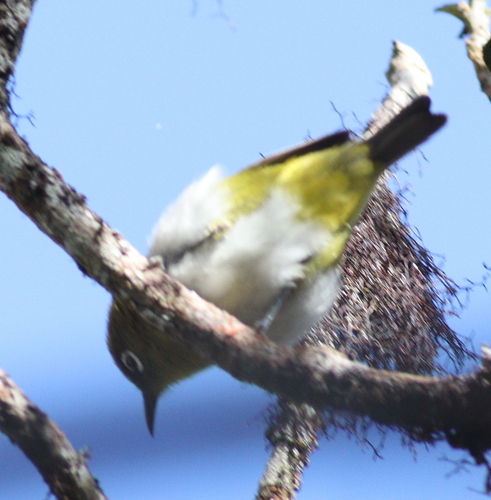 Ceylonese brilvogel
 Indische brilvogel
Kort gezegd
Het meest betrouwbare veldkenmerk om de Ceylonese brilvogel van de Indische brilvogel te scheiden, is de combinatie van algehele grootte en verenkleedkleur: de Ceylonese brilvogel is merkbaar groter en heeft een doffere, donkerdere olijfgroene rug, met meer extensief geel op de borst en een donkerder vlek tussen het oog en de snavel. De Indische brilvogel is kleiner, helderder geel-groen boven, en heeft een meer beperkt geel dat beperkt is tot de keel en het achterste. Beide soorten vertonen een opvallende witte oogring, maar de donkerdere lores en bredere gele borst van de Ceylonese brilvogel zijn essentieel in directe vergelijking. Verschillen in vleugelpatronen van onvolwassen of juveniele vogels worden niet beschreven in de bronnen, dus focus op algehele kleur, grootte en gezichtsdetails.
Herkenningstips
- Grootte is een primaire scheiding: De Ceylonese brilvogel is ongeveer 2–3 cm langer dan de Indische brilvogel. In gemengde groepen of overlappende zones, let op de grotere, robuustere vogel.
- Rugkleur: De Ceylonese brilvogel heeft een doffe, donkere olijfgroene rug; de Indische brilvogel is helderder geel-groen boven, vooral in de Sri Lankaanse ondersoort (egregia).
- Geel op de borst: De Ceylonese brilvogel toont meer extensief geel op de borst, dat overgaat in de keel en kin, terwijl het geel van de Indische brilvogel voornamelijk op de keel en het achterste is, met de borst en buik meer wit-grijs.
- Gezichtspatroon: De Ceylonese brilvogel heeft een donkerdere vlek tussen het oog en de snavel (donkere lores en een donkere streep onder het oog), wat contrasteert met het helderdere gezicht van de Indische brilvogel.
- Oogring: Beide hebben een opvallende witte oogring, maar bij de Ceylonese brilvogel wordt deze benadrukt door de donkerdere lores, waardoor de ring meer geïsoleerd lijkt.
- Buikkleur: De Ceylonese brilvogel heeft een grijs-witte buik, terwijl de buik van de Indische brilvogel wit-grijs of soms geelachtig is, afhankelijk van de ondersoort.
- Snavelkleur: De Ceylonese brilvogel heeft een donkere snavel met een leigrijze basis aan de onderkaak; de snavel van de Indische brilvogel is minder duidelijk gemarkeerd.
- Pootkleur: Beide soorten hebben donkere poten; dit is geen nuttige scheiding.
- Iris kleur: De iris van de Ceylonese brilvogel kan geel tot roodbruin zijn, maar dit is subtiel en zelden diagnostisch in het veld.
- Groepsgedrag: Grote, samenhangende groepen in de hooglanden van Sri Lanka zijn waarschijnlijk Ceylonese brilvogels, vooral boven de 4000 ft.
- Habitat en hoogte: In Sri Lanka wordt de Indische brilvogel aangetroffen op lagere hoogtes (kleinere, helderdere vogels), terwijl de Ceylonese brilvogel de hooglanden domineert.
- Geen leeftijdspecifiek vleugelpatroon: Er zijn geen beschreven verschillen in de vleugel- of vliegpatronen van juveniele of onvolwassen vogels tussen deze soorten; focus op grootte en kleur.
- Geslachten vergelijkbaar: Beide soorten vertonen weinig seksuele dimorfie; alle veldkenmerken zijn van toepassing op beide geslachten.
- Ondersoorten verwarring: De Indische brilvogel in Sri Lanka (ondersoort egregia) is kleiner en helderder dan de Ceylonese brilvogel, wat helpt bij directe vergelijking.
- Bij twijfel: Als de vogel klein, helder geel-groen is en op lage hoogte, is het waarschijnlijk een Indische brilvogel. Als het groter, doffer is en in de hooglanden, is het een Ceylonese brilvogel.
Grootte
De Ceylonese brilvogel is duidelijk groter (ongeveer 11 cm in lengte) in vergelijking met de Indische brilvogel (8–9 cm). Dit formaatverschil is meestal duidelijk wanneer beide soorten in hetzelfde gebied worden gezien, vooral in de centrale hooglanden van Sri Lanka waar de twee op bepaalde hoogtes kunnen overlappen. De Ceylonese brilvogel lijkt ook robuuster en met een langere staart in directe vergelijking. Er zijn geen gegevens over massa of vleugellengte verstrekt, maar het lengted verschil is consistent in de bronnen.
Verenkleed
- Volwassenen: De Ceylonese brilvogel heeft donkere olijfgroene bovenste delen, een blekere groene stuit, en een donkerdere kroon en voorhoofd. Het geel op de borst is meer extensief, dat overgaat in de groenachtig-gele kin en keel, en de buik is grijs-wit. De lores zijn donker, en er is een donkere streep onder het oog, met een leigrijze basis aan de onderkaak. De Indische brilvogel is helderder geel-groen boven, met geel dat voornamelijk beperkt is tot de keel en het achterste, en een wit-grijze (soms geelachtige) buik. De rug is helderder en minder olijfkleurig dan die van de Ceylonese brilvogel, vooral in de Sri Lankaanse ondersoort (egregia). Beide soorten hebben een witte oogring, maar die van de Ceylonese brilvogel wordt benadrukt door de donkerdere lores en het meer beschaduwde gezicht.
- Juvenielen/onvolwassenen: Er zijn geen specifieke leeftijdsgerelateerde vleugel- of vliegpatroonverschillen beschreven voor beide soorten. De belangrijkste veldkenmerken blijven die van algehele kleur en gezichts patroon, niet van bovenste vleugelpanelen of vliegmerken.
Gedrag
De Ceylonese brilvogel is opmerkelijk sociaal, vormt vaak grote groepen buiten het broedseizoen, en wordt meestal gezien in de hooglanden boven de 4000 ft. De Indische brilvogel foerageert in kleinere groepen en is wijdverspreid in open bos en tuinen op lagere hoogtes. Beide soorten zijn actief, behendig, en voeden zich met insecten en nectar, maar het groepsgedrag van de Ceylonese brilvogel in de hooglanden kan een nuttige contextuele aanwijzing zijn.
Habitat
De Ceylonese brilvogel is endemisch voor Sri Lanka en wordt voornamelijk aangetroffen in bossen, tuinen en plantages van de centrale hooglanden, waarbij hij de Indische brilvogel vervangt boven de 4000 ft. De Indische brilvogel is wijdverspreid over het Indiase subcontinent, en bezet open bos, tuinen, en soms plantages, maar is over het algemeen afwezig op de hoogste hoogtes waar de Ceylonese brilvogel domineert. In Sri Lanka is de Indische brilvogel (ondersoort egregia) kleiner en komt voor op lagere hoogtes met een helderdere rug en keel.
Ceylonese brilvogel · Indische brilvogel · Mijn lastige vogels