

Motmot

セイロンメジロ 対 インドメジロ

Zosterops ceylonensis 対 Zosterops palpebrosus

セイロンメジロとインドメジロのクイズ
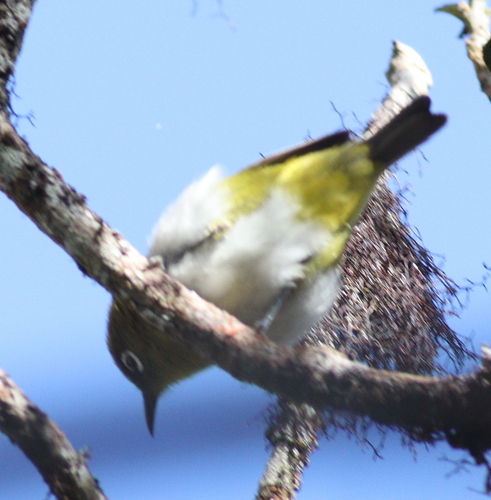
セイロンメジロ (Zosterops ceylonensis) セイロンメジロ
インドメジロ (Zosterops palpebrosus) インドメジロ

メディア

読み込み中…

要点

スリランカメジロとインドメジロを区別する最も信頼できるフィールドマークは、全体のサイズと羽毛の色合いの組み合わせです:スリランカメジロは明らかに大きく、鈍い暗いオリーブグリーンの背中を持ち、胸にはより広範囲の黄色があり、目とくちばしの間には暗い斑点があります。インドメジロは小さく、上面は明るい黄色緑で、黄色は主に喉と肛門に限られています。両種は目立つ白いアイリングを示しますが、スリランカメジロの暗い顔の部分と広い黄色の胸が直接比較において重要です。未熟または幼鳥特有の翼のパターンの違いは資料に記載されていないため、全体の色、サイズ、顔の詳細に焦点を当ててください。

識別のコツ

  1. サイズは主要な区別要素です: スリランカメジロはインドメジロより約2〜3 cm長いです。混合した群れや重なり合うゾーンでは、より大きくてがっしりした鳥を探してください。
  2. 背中の色: スリランカメジロは鈍い暗いオリーブグリーンの背中を持ち、インドメジロは特にスリランカの亜種(egregia)では明るい黄色緑です。
  3. 胸の黄色: スリランカメジロは胸により広範囲の黄色を示し、喉と顎に溶け込んでいますが、インドメジロの黄色は主に喉と肛門にあり、胸と腹はより白灰色です。
  4. 顔のパターン: スリランカメジロは目とくちばしの間に暗い斑点(暗い顔の部分と目の下の暗い筋)があり、インドメジロの明るい顔と対照的です。
  5. アイリング: 両種は目立つ白いアイリングを持っていますが、スリランカメジロでは暗い顔の部分によって際立っており、リングがより孤立して見えます。
  6. 腹の色: スリランカメジロは灰白色の腹を持ち、インドメジロの腹は白灰色または亜種によっては時々黄色がかっています。
  7. くちばしの色: スリランカメジロは下くちばしの基部がスレート色の暗いくちばしを持ち、インドメジロのくちばしはあまり明確に特徴付けられていません。
  8. 脚の色: 両種は暗い脚を持っていますが、これは有用な区別要素ではありません。
  9. 虹彩の色: スリランカメジロの虹彩は黄色から赤褐色になることがありますが、これは微妙で、フィールドではめったに診断的ではありません。
  10. 群れ行動: スリランカの高地での大きくてまとまりのある群れはスリランカメジロである可能性が高く、特に4000フィート以上で見られます。
  11. 生息地と標高: スリランカでは、インドメジロは低い標高(小さく明るい鳥)で見られ、スリランカメジロは高地を支配します。
  12. 年齢特有の翼のパターンはなし: これらの種間で幼鳥または未熟な上翼や飛行パターンの違いは記載されていないため、サイズと色に焦点を当ててください。
  13. 性別は似ている: 両種は性的二形性がほとんどなく、すべてのフィールドマークは両性に適用されます。
  14. 亜種の混乱: スリランカのインドメジロ(亜種egregia)はスリランカメジロよりも小さく明るいので、直接比較に役立ちます。
  15. 疑わしい場合: 鳥が小さく、明るい黄色緑で、低い標高にいる場合は、インドメジロの可能性が高いです。もし大きく、鈍く、高地にいる場合は、スリランカメジロです。

大きさ

スリランカメジロはインドメジロ(8〜9 cm)と比較して明らかに大きい(約11 cmの長さ)です。このサイズの違いは、特にスリランカの中央高地で両種が同じ地域に見られるときに通常明らかです。スリランカメジロは直接比較においてもがっしりしていて尾が長く見えます。質量や翼の長さのデータは提供されていませんが、長さの違いは資料間で一貫しています。

羽色

行動

スリランカメジロは非常に社交的で、繁殖期の外では大きな群れを形成することが多く、通常は4000フィート以上の高地で見られます。インドメジロは小さなグループで採餌し、低い標高の開けた森林や庭でより広範囲に分布しています。両種は活発で敏捷で、昆虫や蜜を食べますが、スリランカメジロの高地での群れ行動は有用な文脈の手がかりとなることがあります。

生息環境

スリランカメジロはスリランカ固有で、主に中央高地の森林、庭、プランテーションに見られ、4000フィート以上でインドメジロを置き換えます。インドメジロはインド亜大陸全体に広がり、開けた森林、庭、時にはプランテーションに生息していますが、スリランカメジロが支配する最も高い標高には一般的に存在しません。スリランカでは、インドメジロ(亜種egregia)は小さく、より明るい背中と喉を持ち、低い標高で見られます。

より良い説明を送る

比較と同じ項目を使ってください。文章はすぐに公開されます。

The most reliable field mark to separate Sri Lanka White-eye from Indian White-eye is the combination of overall size and plumage tone: Sri Lanka White-eye is noticeably larger and has a duller, darker olive-green back, with more extensive yellow on the breast and a darker patch between the eye and bill. Indian White-eye is smaller, brighter yellow-green above, and has a more limited yellow restricted to the throat and vent. Both species show a conspicuous white eye-ring, but Sri Lanka White-eye's darker lores and broader yellow breast are key in direct comparison. Immature or juvenile-specific wing pattern differences are not described in the sources, so focus on overall color, size, and facial details.

  1. Size is a primary separator: Sri Lanka White-eye is about 2–3 cm longer than Indian White-eye. In mixed flocks or overlapping zones, look for the larger, bulkier bird.
  2. Back color: Sri Lanka White-eye has a dull, dark olive-green back; Indian White-eye is brighter yellow-green above, especially in the Sri Lankan race (egregia).
  3. Yellow on breast: Sri Lanka White-eye shows more extensive yellow on the breast, blending into the throat and chin, whereas Indian White-eye's yellow is mostly on the throat and vent, with the breast and belly more whitish-grey.
  4. Facial pattern: Sri Lanka White-eye has a darker patch between the eye and bill (dark lores and a dark streak below the eye), which contrasts with the brighter face of Indian White-eye.
  5. Eye-ring: Both have a conspicuous white eye-ring, but in Sri Lanka White-eye it is set off by the darker lores, making the ring appear more isolated.
  6. Belly color: Sri Lanka White-eye has a greyish-white belly, while Indian White-eye's belly is whitish-grey or sometimes yellowish depending on subspecies.
  7. Bill color: Sri Lanka White-eye has a dark bill with a slaty base to the lower mandible; Indian White-eye's bill is less distinctly marked.
  8. Leg color: Both species have dark legs; this is not a useful separator.
  9. Iris color: Sri Lanka White-eye's iris can be yellow to reddish-brown, but this is subtle and rarely diagnostic in the field.
  10. Flocking behavior: Large, cohesive flocks in the highlands of Sri Lanka are likely Sri Lanka White-eye, especially above 4000 ft.
  11. Habitat and elevation: In Sri Lanka, Indian White-eye is found at lower elevations (smaller, brighter birds), while Sri Lanka White-eye dominates the highlands.
  12. No age-specific wing pattern: There are no described differences in juvenile or immature upperwing or flight patterns between these species; focus on size and color.
  13. Sexes similar: Both species show little sexual dimorphism; all field marks apply to both sexes.
  14. Subspecies confusion: Indian White-eye in Sri Lanka (race egregia) is smaller and brighter than Sri Lanka White-eye, which helps in direct comparison.
  15. When in doubt: If the bird is small, bright yellow-green, and at low elevation, it's likely Indian White-eye. If larger, duller, and in the highlands, it's Sri Lanka White-eye.

Sri Lanka White-eye is distinctly larger (about 11 cm in length) compared to the Indian White-eye (8–9 cm). This size difference is usually apparent when both species are seen in the same area, especially in Sri Lanka's central highlands where the two may overlap at certain elevations. The Sri Lanka White-eye also appears bulkier and longer-tailed in direct comparison. No mass or wing length data are provided, but the length difference is consistent across sources.

  • Adults: Sri Lanka White-eye has dark olive-green upperparts, a paler green rump, and a darker crown and forehead. The yellow on the breast is more extensive, blending into the greenish-yellow chin and throat, and the belly is greyish-white. The lores are dark, and there is a dark streak below the eye, with a slaty base to the lower mandible. Indian White-eye is brighter yellow-green above, with yellow restricted mostly to the throat and vent, and a whitish-grey (sometimes yellowish) belly. The back is brighter and less olive than Sri Lanka White-eye, especially in the Sri Lankan race (egregia). Both species have a white eye-ring, but Sri Lanka White-eye's is set off by the darker lores and more shadowed face.
  • Juveniles/immatures: No specific age-related wing or flight pattern differences are described for either species. The main field marks remain those of overall color and facial pattern, not upperwing panels or flight marks.

Sri Lanka White-eye is notably sociable, often forming large flocks outside the breeding season, and is typically seen in the highlands above 4000 ft. Indian White-eye forages in smaller groups and is more widespread in open woodland and gardens at lower elevations. Both species are active, agile, and feed on insects and nectar, but Sri Lanka White-eye's flocking behavior in the highlands can be a useful contextual clue.

Sri Lanka White-eye is endemic to Sri Lanka and is mainly found in forests, gardens, and plantations of the central highlands, replacing Indian White-eye above 4000 ft. Indian White-eye is widespread across the Indian subcontinent, occupying open woodland, gardens, and sometimes plantations, but is generally absent from the highest elevations where Sri Lanka White-eye dominates. In Sri Lanka, the Indian White-eye (race egregia) is smaller and occurs at lower elevations with a brighter back and throat.

変更を破棄しますか?

保存していない編集があります。今離れると失われます。

セイロンメジロ · インドメジロ · 苦手な鳥