

Sri Lanka White-eye vs Indian White-eye
Zosterops ceylonensis contro Zosterops palpebrosus
Fai un quiz con Sri Lanka White-eye e Indian White-eye
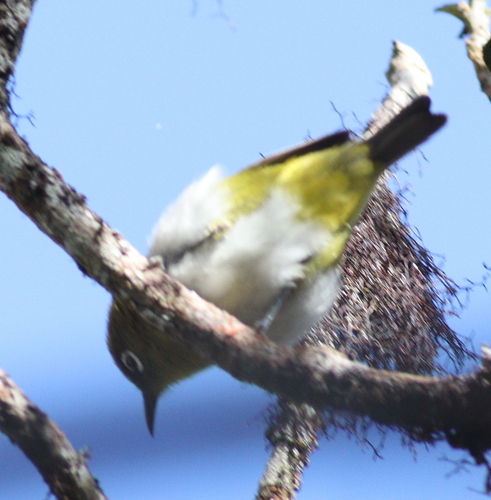 Sri Lanka White-eye
 Indian White-eye
In breve
Il segno distintivo più affidabile per separare il Sri Lanka White-eye dall'Indian White-eye è la combinazione di dimensioni complessive e tono del piumaggio: il Sri Lanka White-eye è notevolmente più grande e ha un dorso verde oliva scuro e opaco, con più giallo esteso sul petto e una macchia più scura tra l'occhio e il becco. L'Indian White-eye è più piccolo, di un verde-giallo più brillante sopra, e ha un giallo più limitato, ristretto alla gola e al vent. Entrambe le specie mostrano un anello oculare bianco evidente, ma le lore più scure e il petto giallo più ampio del Sri Lanka White-eye sono fondamentali in un confronto diretto. Le differenze nel pattern delle ali immaturi o giovanili non sono descritte nelle fonti, quindi concentrati sul colore complessivo, le dimensioni e i dettagli facciali.
Consigli di identificazione
- Le dimensioni sono un separatore principale: Il Sri Lanka White-eye è lungo circa 2–3 cm in più rispetto all'Indian White-eye. In stormi misti o zone sovrapposte, cerca l'uccello più grande e massiccio.
- Colore del dorso: Il Sri Lanka White-eye ha un dorso verde oliva scuro e opaco; l'Indian White-eye è di un verde-giallo più brillante sopra, specialmente nella razza dello Sri Lanka (egregia).
- Giallo sul petto: Il Sri Lanka White-eye mostra più giallo esteso sul petto, che si fonde nella gola e nel mento, mentre il giallo dell'Indian White-eye è per lo più sulla gola e sul vent, con il petto e il ventre più grigio-bianco.
- Pattern facciale: Il Sri Lanka White-eye ha una macchia più scura tra l'occhio e il becco (lore scure e una striscia scura sotto l'occhio), che contrasta con il volto più luminoso dell'Indian White-eye.
- Anello oculare: Entrambi hanno un anello oculare bianco evidente, ma nel Sri Lanka White-eye è evidenziato dalle lore più scure, rendendo l'anello più isolato.
- Colore del ventre: Il Sri Lanka White-eye ha un ventre grigio-bianco, mentre il ventre dell'Indian White-eye è grigio-bianco o a volte giallastro a seconda della sottospecie.
- Colore del becco: Il Sri Lanka White-eye ha un becco scuro con una base bluastro per il mandibolo inferiore; il becco dell'Indian White-eye è meno distintamente marcato.
- Colore delle gambe: Entrambe le specie hanno gambe scure; questo non è un separatore utile.
- Colore dell'iride: L'iride del Sri Lanka White-eye può essere gialla o marrone-rossiccia, ma questo è sottile e raramente diagnostico sul campo.
- Comportamento di stormo: Grandi stormi coesi nelle terre alte dello Sri Lanka sono probabilmente Sri Lanka White-eye, specialmente sopra i 4000 piedi.
- Habitat e altitudine: In Sri Lanka, l'Indian White-eye si trova a basse altitudini (uccelli più piccoli e più brillanti), mentre il Sri Lanka White-eye domina le terre alte.
- Nessun pattern delle ali specifico per età: Non ci sono differenze descritte nei pattern delle ali superiori o nei pattern di volo giovanili o immaturi tra queste specie; concentrati su dimensioni e colore.
- Sessi simili: Entrambe le specie mostrano poco dimorfismo sessuale; tutti i segni sul campo si applicano a entrambi i sessi.
- Confusione tra sottospecie: L'Indian White-eye nello Sri Lanka (razza egregia) è più piccolo e più brillante del Sri Lanka White-eye, il che aiuta in un confronto diretto.
- Quando hai dubbi: Se l'uccello è piccolo, di un verde-giallo brillante e a bassa altitudine, è probabile che sia un Indian White-eye. Se è più grande, opaco e nelle terre alte, è un Sri Lanka White-eye.
Taglia
Il Sri Lanka White-eye è nettamente più grande (circa 11 cm di lunghezza) rispetto all'Indian White-eye (8–9 cm). Questa differenza di dimensioni è solitamente evidente quando entrambe le specie sono viste nella stessa area, specialmente nelle terre alte centrali dello Sri Lanka dove le due possono sovrapporsi a certe altitudini. Il Sri Lanka White-eye appare anche più massiccio e con una coda più lunga in un confronto diretto. Non sono forniti dati su massa o lunghezza delle ali, ma la differenza di lunghezza è coerente tra le fonti.
Piumaggio
- Adulti: Il Sri Lanka White-eye ha parti superiori di un verde oliva scuro, un sopracciglio verde più chiaro e una corona e fronte più scure. Il giallo sul petto è più esteso, fondendosi nel mento e nella gola giallo-verde, e il ventre è grigio-bianco. Le lore sono scure e c'è una striscia scura sotto l'occhio, con una base bluastro per il mandibolo inferiore. L'Indian White-eye è di un verde-giallo più brillante sopra, con il giallo per lo più limitato alla gola e al vent, e un ventre grigio-bianco (a volte giallastro). Il dorso è più brillante e meno oliva rispetto al Sri Lanka White-eye, specialmente nella razza dello Sri Lanka (egregia). Entrambe le specie hanno un anello oculare bianco, ma quello del Sri Lanka White-eye è evidenziato dalle lore più scure e da un volto più ombreggiato.
- Giovanili/immaturi: Non sono descritte differenze specifiche nei pattern delle ali o nei pattern di volo legati all'età per nessuna delle due specie. I principali segni sul campo rimangono quelli del colore complessivo e del pattern facciale, non dei pannelli delle ali superiori o dei segni di volo.
Comportamento
Il Sri Lanka White-eye è notevolmente socievole, formando spesso grandi stormi al di fuori della stagione riproduttiva, ed è tipicamente visto nelle terre alte sopra i 4000 piedi. L'Indian White-eye cerca cibo in gruppi più piccoli ed è più diffuso in boschi aperti e giardini a basse altitudini. Entrambe le specie sono attive, agili e si nutrono di insetti e nettare, ma il comportamento di stormo del Sri Lanka White-eye nelle terre alte può essere un utile indizio contestuale.
Habitat
Il Sri Lanka White-eye è endemico dello Sri Lanka e si trova principalmente in foreste, giardini e piantagioni delle terre alte centrali, sostituendo l'Indian White-eye sopra i 4000 piedi. L'Indian White-eye è diffuso in tutto il subcontinente indiano, occupando boschi aperti, giardini e talvolta piantagioni, ma è generalmente assente dalle altitudini più elevate dove domina il Sri Lanka White-eye. In Sri Lanka, l'Indian White-eye (razza egregia) è più piccolo e si trova a basse altitudini con un dorso e una gola più brillanti.
Sri Lanka White-eye · Indian White-eye · I miei uccelli difficili