

Anteojitos Cingalés vs Anteojitos Oriental
Zosterops ceylonensis frente a Zosterops palpebrosus
Juega un quiz con Anteojitos Cingalés y Anteojitos Oriental
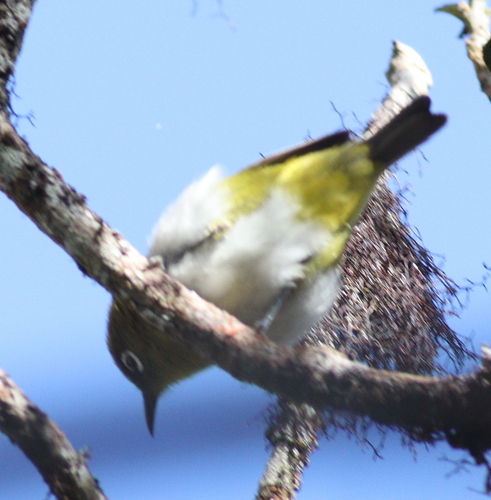 Anteojitos Cingalés
 Anteojitos Oriental
En breve
La marca de campo más confiable para separar el Anteojitos Cingalés del Anteojitos Oriental es la combinación de tamaño general y tono del plumaje: el Anteojitos Cingalés es notablemente más grande y tiene una espalda de un verde oliva más oscuro y apagado, con más amarillo en el pecho y una mancha más oscura entre el ojo y el pico. El Anteojitos Oriental es más pequeño, de un amarillo-verde más brillante arriba, y tiene un amarillo más limitado restringido a la garganta y el vent. Ambas especies muestran un anillo ocular blanco conspicuo, pero los lores más oscuros y el pecho amarillo más amplio del Anteojitos Cingalés son clave en la comparación directa. No se describen diferencias en el patrón de alas de inmaduros o juveniles en las fuentes, así que enfóquese en el color general, tamaño y detalles faciales.
Consejos de identificación
- El tamaño es un separador principal: El Anteojitos Cingalés es aproximadamente 2–3 cm más largo que el Anteojitos Oriental. En bandadas mixtas o zonas de superposición, busque el ave más grande y robusta.
- Color de la espalda: El Anteojitos Cingalés tiene una espalda de un verde oliva oscuro y apagado; el Anteojitos Oriental es de un amarillo-verde más brillante arriba, especialmente en la raza de Sri Lanka (egregia).
- Amarillo en el pecho: El Anteojitos Cingalés muestra más amarillo en el pecho, fusionándose con la garganta y el mentón, mientras que el amarillo del Anteojitos Oriental está mayormente en la garganta y el vent, con el pecho y el vientre más grisáceos-blancos.
- Patrón facial: El Anteojitos Cingalés tiene una mancha más oscura entre el ojo y el pico (lores oscuros y una franja oscura debajo del ojo), lo que contrasta con la cara más brillante del Anteojitos Oriental.
- Anillo ocular: Ambos tienen un anillo ocular blanco conspicuo, pero en el Anteojitos Cingalés está acentuado por los lores más oscuros, haciendo que el anillo parezca más aislado.
- Color del vientre: El Anteojitos Cingalés tiene un vientre grisáceo-blanco, mientras que el vientre del Anteojitos Oriental es grisáceo-blanco o a veces amarillento dependiendo de la subespecie.
- Color del pico: El Anteojitos Cingalés tiene un pico oscuro con una base pizarrosa en la mandíbula inferior; el pico del Anteojitos Oriental está menos marcado.
- Color de las patas: Ambas especies tienen patas oscuras; esto no es un separador útil.
- Color del iris: El iris del Anteojitos Cingalés puede ser amarillo a marrón rojizo, pero esto es sutil y rara vez es diagnóstico en el campo.
- Comportamiento de bandada: Grandes bandadas cohesivas en las tierras altas de Sri Lanka son probablemente Anteojitos Cingalés, especialmente por encima de 4000 pies.
- Hábitat y elevación: En Sri Lanka, el Anteojitos Oriental se encuentra a elevaciones más bajas (aves más pequeñas y brillantes), mientras que el Anteojitos Cingalés domina las tierras altas.
- Sin patrón de alas específico por edad: No se describen diferencias en patrones de alas o de vuelo de juveniles o inmaduros entre estas especies; enfóquese en el tamaño y el color.
- Sexos similares: Ambas especies muestran poco dimorfismo sexual; todas las marcas de campo se aplican a ambos sexos.
- Confusión de subespecies: El Anteojitos Oriental en Sri Lanka (raza egregia) es más pequeño y brillante que el Anteojitos Cingalés, lo que ayuda en la comparación directa.
- Cuando haya dudas: Si el ave es pequeña, de un amarillo-verde brillante, y a baja elevación, es probable que sea un Anteojitos Oriental. Si es más grande, más apagada, y en las tierras altas, es un Anteojitos Cingalés.
Tamaño
El Anteojitos Cingalés es claramente más grande (aproximadamente 11 cm de longitud) en comparación con el Anteojitos Oriental (8–9 cm). Esta diferencia de tamaño es generalmente evidente cuando ambas especies se ven en la misma área, especialmente en las tierras altas centrales de Sri Lanka donde las dos pueden superponerse a ciertas elevaciones. El Anteojitos Cingalés también parece más robusto y con una cola más larga en comparación directa. No se proporcionan datos de masa o longitud de alas, pero la diferencia de longitud es consistente en las fuentes.
Plumaje
- Adultos: El Anteojitos Cingalés tiene partes superiores de un verde oliva oscuro, un rabadilla de un verde más pálido, y una corona y frente más oscuras. El amarillo en el pecho es más extenso, fusionándose con el mentón y la garganta de un amarillo verdoso, y el vientre es grisáceo-blanco. Los lores son oscuros, y hay una franja oscura debajo del ojo, con una base pizarrosa en la mandíbula inferior. El Anteojitos Oriental es de un amarillo-verde más brillante arriba, con el amarillo restringido mayormente a la garganta y el vent, y un vientre grisáceo-blanco (a veces amarillento). La espalda es más brillante y menos oliva que la del Anteojitos Cingalés, especialmente en la raza de Sri Lanka (egregia). Ambas especies tienen un anillo ocular blanco, pero el del Anteojitos Cingalés está acentuado por los lores más oscuros y una cara más sombreada.
- Juveniles/inmaduros: No se describen diferencias específicas en el patrón de alas o vuelo relacionadas con la edad para ninguna de las especies. Las principales marcas de campo siguen siendo las de color general y patrón facial, no paneles de alas superiores o marcas de vuelo.
Comportamiento
El Anteojitos Cingalés es notablemente sociable, formando a menudo grandes bandadas fuera de la temporada de cría, y se ve típicamente en las tierras altas por encima de 4000 pies. El Anteojitos Oriental forrajea en grupos más pequeños y es más común en bosques abiertos y jardines a elevaciones más bajas. Ambas especies son activas, ágiles, y se alimentan de insectos y néctar, pero el comportamiento de bandada del Anteojitos Cingalés en las tierras altas puede ser una pista contextual útil.
Hábitat
El Anteojitos Cingalés es endémico de Sri Lanka y se encuentra principalmente en bosques, jardines y plantaciones de las tierras altas centrales, reemplazando al Anteojitos Oriental por encima de 4000 pies. El Anteojitos Oriental es común en todo el subcontinente indio, ocupando bosques abiertos, jardines y a veces plantaciones, pero generalmente está ausente de las elevaciones más altas donde domina el Anteojitos Cingalés. En Sri Lanka, el Anteojitos Oriental (raza egregia) es más pequeño y se encuentra a elevaciones más bajas con una espalda y garganta más brillantes.
Anteojitos Cingalés · Anteojitos Oriental · Mis aves difíciles