

Kortteenrotslijster vs Kaapse rotslijster
Monticola brevipes versus Monticola rupestris
Speel een quiz met Kortteenrotslijster en Kaapse rotslijster
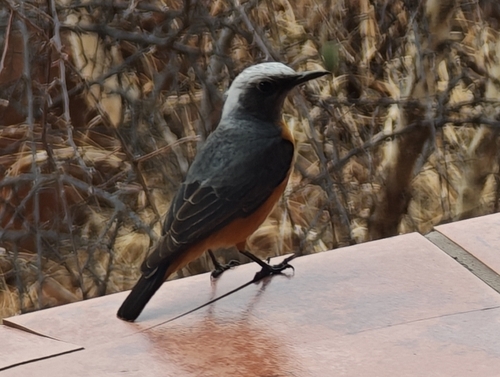 Kortteenrotslijster
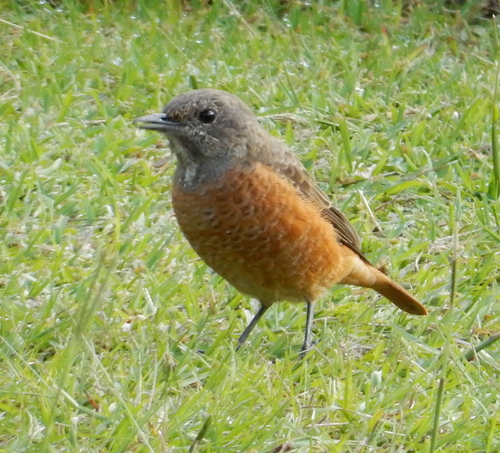 Kaapse rotslijster
Kort gezegd
Het meest betrouwbare veldkenmerk om de Kortteenrotslijster van de Kaapse rotslijster te scheiden, is het verenkleed van volwassen mannetjes: Kaapse rotslijster mannetjes hebben een blauwgrijze kop met rijke oranje onderdelen en roodachtige buitenste staartveren, terwijl de Kortteenrotslijster deze combinatie mist. Vrouwtjes en onvolwassen Kaapse rotslijsters hebben ook rijkere oranje onderdelen dan die van andere rotslijsters, inclusief Kortteen. Onvolwassen Kaapse rotslijsters vertonen buffkleurige vlekken boven en zwarte schubben onder, wat kan helpen bij lastige ontmoetingen met juvenielen/jaarlijkse vogels. Habitat kan ook helpen: Kaapse rotslijster geeft de voorkeur aan bergachtige rotsachtige gebieden in het oosten en zuiden van Zuid-Afrika, terwijl de Kortteen te vinden is in drogere struikgebieden, meestal verder naar het noorden en westen. Grootte is geen sterke scheiding in het veld, maar de Kaapse rotslijster wordt beschreven als een grote, stevige soort.
Herkenningstips
- Juveniele/onvolwassen Kaapse rotslijster vertoont buffkleurige vlekken op de bovenkant en zwarte schubben op de onderkant—als je deze kenmerken ziet, vooral bij een jonge vogel, is het Kaapse, niet Kortteen.
- Volwassen mannelijke Kaapse rotslijster heeft een blauwgrijze kop en rijke oranje onderdelen; Kortteen mannetjes missen deze combinatie en lijken eenvoudiger.
- Roodachtige buitenste staartveren zijn zichtbaar bij zowel mannelijke als vrouwelijke Kaapse rotslijster; dit is minder duidelijk of afwezig bij Kortteen, dus een flits van roestkleur in de staart is een sterke aanwijzing voor Kaapse.
- Vrouwelijke Kaapse rotslijsters hebben veel rijkere oranje onderdelen dan vrouwelijke Kortteen; als de vogel een vrouwtje is en er bijzonder helder uitziet onder, neig dan naar Kaapse.
- Kaapse rotslijster is groter en steviger dan Kortteen, maar dit is subtiel en het beste te gebruiken als ondersteunend bewijs.
- Habitat is een sterke aanwijzing: Kaapse rotslijster is bijna altijd in rotsachtige, bergachtige gebieden met verspreide vegetatie; Kortteen geeft de voorkeur aan droge struikgebieden, vaak weg van rotsachtige hellingen.
- Verspreiding kan helpen: Kaapse rotslijster is voornamelijk in het oosten/zuiden van Zuid-Afrika, Lesotho en Eswatini; Kortteen is wijdverspreid in drogere delen van Angola, Botswana, Namibië en Zuid-Afrika.
- Als je een gefloten, muzikale zang hoort (tsee-tsee-tseet-chee-chweeeoo), is het Kaapse rotslijster; de zang van Kortteen wordt hier niet beschreven, dus een kenmerkende fluit wijst op Kaapse.
- Beide soorten zitten rechtop op rotsen, dus alleen de houding is niet diagnostisch.
- Als je een vogel ziet met een bruine kop en zeer rijke oranje onderdelen, vooral met roodachtige staartzijden, is het waarschijnlijk een vrouwelijke Kaapse rotslijster.
- Als de vogel zich in een rotsachtig hoogland of klifhabitat bevindt, vooral in het oosten van Zuid-Afrika of Lesotho, is Kaapse waarschijnlijker; als het in droge, open struikgebieden is, vooral verder naar het noorden of westen, is Kortteen waarschijnlijker.
- In gemengd of ambigu habitat, vertrouw op verenkleed en staarkleur boven context.
- Onvolwassen Kaapse rotslijsters kunnen verward worden met andere gevlekte lijsters, maar de combinatie van buffkleurige vlekken boven en zwarte schubben onder is kenmerkend.
- Als je de kleur van de kop of onderdelen niet goed kunt zien, kijk dan naar de roodachtige buitenste staart in de vlucht of wanneer de vogel zijn staart opflikkert.
- Als alles faalt, overweeg dan de waarschijnlijkheid op basis van locatie en habitat, maar wees voorzichtig—verenkleed is betrouwbaarder dan verspreiding voor deze twee.
Grootte
Kortteenrotslijster heeft een geregistreerde lichaamsmassa van 33,0 g [wikidata], terwijl de Kaapse rotslijster wordt beschreven als een grote, stevige lijster (19–21 cm in lengte [wikipedia]), waarschijnlijk zwaarder en robuuster van uiterlijk. In de praktijk zal de Kaapse rotslijster iets groter en robuuster lijken, vooral wanneer hij zit, maar dit is subtiel en niet altijd betrouwbaar op afstand of in slechte kijkomstandigheden. Grootte alleen is zelden diagnostisch tussen deze twee.
Verenkleed
- Onvolwassen/juveniele: Onvolwassen Kaapse rotslijsters zijn kenmerkend met buffkleurige vlekken op de bovenkant en zwarte schubben op de onderkant. Onvolwassen Kortteenrotslijsters worden hier niet in detail beschreven, maar er wordt geen melding gemaakt van deze specifieke markeringen, dus een zwaar gevlekte/schubachtige juveniele is waarschijnlijk Kaapse.
- Volwassen mannelijke: Kaapse rotslijster mannetjes hebben een blauwgrijze kop, oranje onderdelen en roodachtige buitenste staartveren, met bruine vleugels en rug. Kortteenrotslijster mannetjes tonen deze blauwgrijze kop/oranje onderdeel combinatie niet.
- Volwassen vrouwelijke: Vrouwelijke Kaapse rotslijsters hebben een bruine kop en veel rijkere oranje onderdelen dan andere vrouwelijke rotslijsters, inclusief Kortteen. De buitenste staartveren zijn roodachtig, zoals die van het mannetje. Kortteen vrouwtjes zijn minder levendig gemarkeerd onder.
- Staart: Beide seksen van de Kaapse rotslijster tonen roodachtige buitenste staartveren, een nuttig veldkenmerk als goed gezien. Dit is minder uitgesproken of afwezig bij Kortteen.
Gedrag
Beide soorten zijn typische rotslijsters, vaak rechtop zittend op rotsen of prominente zitplaatsen. Kaapse rotslijster wordt beschreven als een standvogel, soms met altitudinale bewegingen, maar er is geen specifiek gedragsverschil opgemerkt dat deze twee betrouwbaar in het veld zou scheiden.
Habitat
Kaapse rotslijster wordt gevonden in bergachtige rotsachtige gebieden met verspreide vegetatie, voornamelijk in het oosten en zuiden van Zuid-Afrika, Lesotho en Eswatini. Kortteenrotslijster geeft de voorkeur aan subtropische of tropische droge struikgebieden en wordt gevonden in Angola, Botswana, Namibië en Zuid-Afrika, over het algemeen in drogere en meer open habitats dan de Kaapse rotslijster. Overlap is mogelijk in Zuid-Afrika, maar Kaapse is waarschijnlijker in rotsachtige hooglanden, Kortteen in droge struikgebieden.
Geluid
Kaapse rotslijster mannetjes hebben een gefloten zang die wordt beschreven als tsee-tsee-tseet-chee-chweeeoo en kunnen andere vogels imiteren. Er is hier geen vocale beschrijving voor Kortteenrotslijster, dus zang is alleen nuttig als de kenmerkende fluit van Kaapse wordt gehoord.
Kortteenrotslijster · Kaapse rotslijster · Mijn lastige vogels