

Short-toed Rock-Thrush vs Cape Rock-Thrush
Monticola brevipes contro Monticola rupestris
Fai un quiz con Short-toed Rock-Thrush e Cape Rock-Thrush
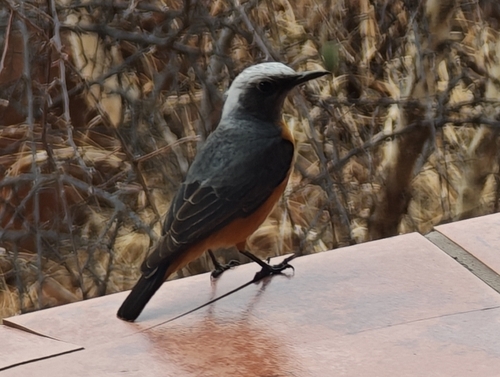 Short-toed Rock-Thrush
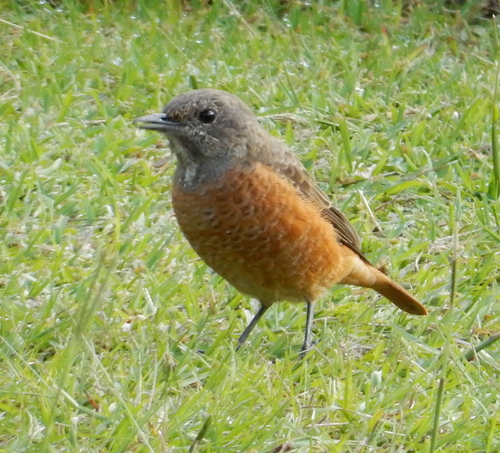 Cape Rock-Thrush
In breve
Il segno di campo più affidabile per separare il Short-toed Rock-Thrush dal Cape Rock-Thrush è il piumaggio dei maschi adulti: i maschi di Cape Rock-Thrush mostrano una testa blu-grigia con parti inferiori arancioni ricche e penne esterne della coda rossicce, mentre il Short-toed Rock-Thrush manca di questa combinazione. Le femmine e gli immaturi di Cape Rock-Thrush hanno anche parti inferiori arancioni più ricche rispetto a quelle di altri thrush di roccia, incluso il Short-toed. Gli immaturi di Cape Rock-Thrush mostrano macchie color crema sopra e squame nere sotto, che possono aiutare in incontri difficili con giovani o di primo anno. L'habitat può anche aiutare: il Cape Rock-Thrush preferisce aree montuose rocciose nell'est e nel sud del Sudafrica, mentre il Short-toed si trova in terreni arbustivi più secchi, per lo più più a nord e a ovest. La dimensione non è un forte separatore sul campo, ma il Cape Rock-Thrush è descritto come una specie grande e robusta.
Consigli di identificazione
- L'immaturo/giovanile Cape Rock-Thrush mostra macchie color crema sulle parti superiori e squame nere sulle parti inferiori—se vedi questi segni, specialmente in un giovane uccello, è Cape, non Short-toed.
- Il maschio adulto Cape Rock-Thrush ha una testa blu-grigia e parti inferiori arancioni ricche; i maschi Short-toed mancano di questa combinazione e appaiono più semplici.
- Le penne esterne della coda rossicce sono visibili sia nel maschio che nella femmina di Cape Rock-Thrush; questo è meno ovvio o assente nel Short-toed, quindi un lampo di ruggine nella coda è un forte indizio per il Cape.
- Le femmine di Cape Rock-Thrush hanno parti inferiori arancioni molto più ricche rispetto alle femmine di Short-toed; se l'uccello è una femmina e appare particolarmente brillante sotto, inclina verso Cape.
- Il Cape Rock-Thrush è più grande e robusto rispetto al Short-toed, ma questo è sottile e meglio usato come prova di supporto.
- L'habitat è un forte indizio: il Cape Rock-Thrush si trova quasi sempre in terreni rocciosi e montuosi con vegetazione sparsa; il Short-toed preferisce terreni arbustivi secchi, spesso lontano da pendii rocciosi.
- L'areale può aiutare: il Cape Rock-Thrush si trova principalmente nell'est/sud del Sudafrica, Lesotho e Eswatini; il Short-toed è più diffuso nelle parti più secche di Angola, Botswana, Namibia e Sudafrica.
- Se senti un canto fischiato e musicale (tsee-tsee-tseet-chee-chweeeoo), è Cape Rock-Thrush; il canto del Short-toed non è descritto qui, quindi un fischio distintivo indica Cape.
- Entrambe le specie si posano erette su rocce, quindi la postura da sola non è diagnostica.
- Se vedi un uccello con una testa marrone e parti inferiori arancioni molto ricche, specialmente con lati della coda rossicci, è probabile che sia una femmina di Cape Rock-Thrush.
- Se l'uccello si trova in un habitat montano roccioso o su una scogliera, specialmente nell'est del Sudafrica o in Lesotho, è più probabile che sia Cape; se in terreni arbustivi secchi e aperti, specialmente più a nord o a ovest, è più probabile che sia Short-toed.
- In habitat misti o ambigui, fai affidamento sul piumaggio e sul colore della coda piuttosto che sul contesto.
- Gli immaturi di Cape Rock-Thrush possono essere confusi con altri thrush macchiati, ma la combinazione di macchie color crema sopra e squame nere sotto è distintiva.
- Se non riesci a vedere bene il colore della testa o delle parti inferiori, cerca le penne esterne della coda rossicce in volo o quando l'uccello muove la coda.
- Se tutto il resto fallisce, considera la probabilità basata sulla posizione e sull'habitat, ma sii cauto—il piumaggio è più affidabile dell'areale per questi due.
Taglia
Il Short-toed Rock-Thrush ha una massa corporea registrata di 33.0g [wikidata], mentre il Cape Rock-Thrush è descritto come un thrush grande e robusto (19–21 cm di lunghezza [wikipedia]), probabilmente più pesante e massiccio nell'aspetto. In pratica, il Cape Rock-Thrush apparirà leggermente più grande e più robusto, specialmente quando si posa, ma questo è sottile e non sempre affidabile a distanza o in condizioni di visione scadenti. La dimensione da sola è raramente diagnostica tra questi due.
Piumaggio
- Immaturi/giovanili: Gli immaturi di Cape Rock-Thrush sono distintivi con macchie color crema sulle parti superiori e squame nere sulle parti inferiori. Gli immaturi di Short-toed Rock-Thrush non sono descritti in dettaglio qui, ma non si fa menzione di questi segni specifici, quindi un giovanile pesantemente macchiato/squamato è probabilmente Cape.
- Maschi adulti: I maschi di Cape Rock-Thrush hanno una testa blu-grigia, parti inferiori arancioni e penne esterne della coda rossicce, con ali e schiena marroni. I maschi di Short-toed Rock-Thrush non mostrano questa combinazione di testa blu-grigia/parti inferiori arancioni.
- Femmine adulte: Le femmine di Cape Rock-Thrush hanno una testa marrone e parti inferiori arancioni molto più ricche rispetto ad altre femmine di thrush di roccia, incluso il Short-toed. Le penne esterne della coda sono rossicce, come quelle del maschio. Le femmine di Short-toed sono meno vivacemente contrassegnate sotto.
- Coda: Entrambi i sessi di Cape Rock-Thrush mostrano penne esterne della coda rossicce, un utile segno di campo se viste bene. Questo è meno pronunciato o assente nel Short-toed.
Comportamento
Entrambe le specie sono tipici thrush di roccia, spesso posandosi eretti su rocce o posatoi prominenti. Il Cape Rock-Thrush è descritto come residente, a volte compiendo movimenti altitudinali, ma non ci sono differenze comportamentali specifiche notate che possano separare affidabilmente questi due sul campo.
Habitat
Il Cape Rock-Thrush si trova in aree montuose rocciose con vegetazione sparsa, principalmente nell'est e nel sud del Sudafrica, Lesotho e Eswatini. Il Short-toed Rock-Thrush preferisce terreni arbustivi secchi subtropicali o tropicali ed è trovato in Angola, Botswana, Namibia e Sudafrica, generalmente in habitat più secchi e aperti rispetto al Cape Rock-Thrush. È possibile una sovrapposizione in Sudafrica, ma il Cape è più probabile in altipiani rocciosi, il Short-toed in terreni arbustivi secchi.
Voce
I maschi di Cape Rock-Thrush hanno un canto fischiato descritto come tsee-tsee-tseet-chee-chweeeoo e possono imitare altri uccelli. Non c'è descrizione vocale per il Short-toed Rock-Thrush qui, quindi il canto è utile solo se si sente il fischio distintivo del Cape.
Short-toed Rock-Thrush · Cape Rock-Thrush · I miei uccelli difficili