

Motmot

シロガシライソヒヨ 対 ルリガシライソヒヨ

Monticola brevipes 対 Monticola rupestris

シロガシライソヒヨとルリガシライソヒヨのクイズ
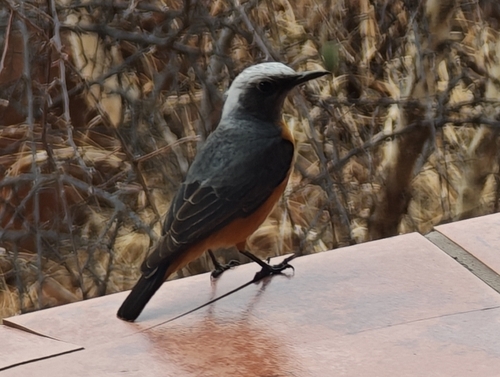
シロガシライソヒヨ (Monticola brevipes) シロガシライソヒヨ
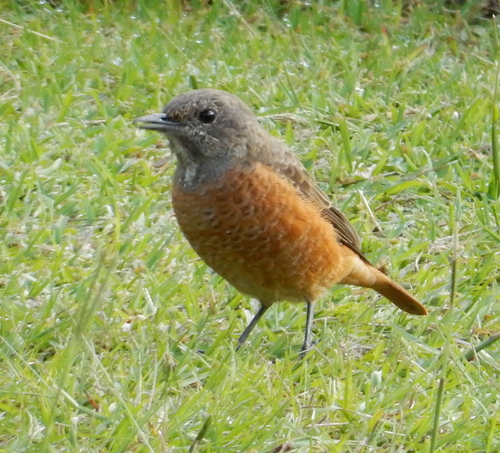
ルリガシライソヒヨ (Monticola rupestris) ルリガシライソヒヨ

メディア

読み込み中…

要点

ショートトード・ロック・スラッシュとルリガシライソヒヨを区別する最も信頼できるフィールドマークは、成鳥のオスの羽毛です:ルリガシライソヒヨのオスは、豊かなオレンジ色の腹部と赤みがかった外尾羽を持つ青灰色の頭を示しますが、ショートトード・ロック・スラッシュはこの組み合わせを欠いています。ルリガシライソヒヨの雌と幼鳥も、ショートトードを含む他のロック・スラッシュよりも豊かなオレンジ色の腹部を持っています。幼鳥のルリガシライソヒヨは、上部にバフの斑点と下部に黒いスケーリングを示し、これが難しい幼鳥/初年度の遭遇に役立つことがあります。生息地も役立ちます:ルリガシライソヒヨは南アフリカの東部および南部の山岳岩場を好み、ショートトードは主に北部および西部の乾燥した低木地帯に見られます。サイズはフィールドでの強い区別要因ではありませんが、ルリガシライソヒヨは大きくて頑丈な種として説明されています。

識別のコツ

  1. 幼鳥/未成熟のルリガシライソヒヨは、上部にバフの斑点と下部に黒いスケーリングを示します—これらのマークが見えた場合、特に若い鳥であれば、ルリガシライソヒヨであり、ショートトードではありません。
  2. 成鳥のオスのルリガシライソヒヨは青灰色の頭と豊かなオレンジ色の腹部を持っています;ショートトードのオスはこの組み合わせを欠いており、より地味に見えます。
  3. 赤みがかった外尾羽は、オスとメスの両方のルリガシライソヒヨで見られます;これはショートトードではあまり明白でないか、欠けているため、尾に赤褐色のフラッシュが見えることは強いルリガシの手がかりです。
  4. ルリガシライソヒヨの雌は、ショートトードの雌よりもはるかに豊かなオレンジ色の腹部を持っています;もしその鳥が雌で、特に明るい腹部を持っている場合は、ルリガシに傾いてください。
  5. ルリガシライソヒヨはショートトードよりも大きくて頑丈です、しかしこれは微妙であり、補足的な証拠として使用するのが最適です。
  6. 生息地は強い手がかりです:ルリガシライソヒヨはほぼ常に散発的な植生のある岩の多い山岳地帯にいます;ショートトードは乾燥した低木地帯を好み、しばしば岩の斜面から離れています。
  7. 分布は役立ちます:ルリガシライソヒヨは主に南アフリカの東部/南部、レソト、エスワティニにいます;ショートトードはアンゴラ、ボツワナ、ナミビア、南アフリカの乾燥した地域でより広く分布しています。
  8. もし笛のような音楽的な歌(tsee-tsee-tseet-chee-chweeeoo)が聞こえたら、それはルリガシライソヒヨです;ショートトードの歌はここでは説明されていないため、独特の笛の音はルリガシを指し示します。
  9. 両種は岩の上に直立して止まるので、姿勢だけでは診断できません。
  10. もし茶色の頭と非常に豊かなオレンジ色の腹部を持つ鳥を見たら、特に赤みがかった尾の側面があれば、それはおそらく雌のルリガシライソヒヨです。
  11. もしその鳥が岩の多い高地や崖の生息地にいる場合、特に南アフリカの東部やレソトでは、ルリガシの可能性が高いです;もし乾燥した開けた低木地帯にいる場合、特に北部や西部では、ショートトードの可能性が高いです。
  12. 混合またはあいまいな生息地では、文様と尾の色に頼り、文脈よりも優先してください。
  13. 幼鳥のルリガシライソヒヨは他の斑点のあるスラッシュと混同されることがありますが、上部のバフの斑点と下部の黒いスケーリングの組み合わせは独特です。
  14. もし頭の色や腹部がよく見えない場合は、飛行中や鳥が尾を振ったときに赤みがかった外尾を探してください。
  15. もしすべてが失敗した場合は、場所と生息地に基づいて可能性を考慮してくださいが、注意してください—羽毛はこれら二つのために分布よりも信頼性があります。

大きさ

ショートトード・ロック・スラッシュの記録された体重は33.0g [wikidata]であり、ルリガシライソヒヨは大きくて頑丈なスラッシュとして説明されています(長さ19〜21 cm [wikipedia])、おそらく見た目が重くてがっしりしています。実際には、ルリガシライソヒヨはわずかに大きく、より頑丈に見えるでしょう、特に止まっているときですが、これは微妙であり、遠くからや視界が悪い条件では常に信頼できるわけではありません。サイズだけでは、これら二つの間で診断できることはほとんどありません。

羽色

行動

両種は典型的なロック・スラッシュであり、しばしば岩や目立つ止まり木に直立して止まります。ルリガシライソヒヨは居住種として説明されており、時々高度の移動を行いますが、フィールドでこれら二つを信頼できるように区別する特定の行動の違いは記載されていません。

生息環境

ルリガシライソヒヨは、主に南アフリカの東部および南部、レソト、エスワティニの散発的な植生のある山岳岩場に見られます。ショートトード・ロック・スラッシュは亜熱帯または熱帯の乾燥した低木地帯を好み、アンゴラ、ボツワナ、ナミビア、南アフリカに見られ、一般的にルリガシライソヒヨよりも乾燥したより開けた生息地にいます。南アフリカでは重複が可能ですが、ルリガシは岩の多い高地でより可能性が高く、ショートトードは乾燥した低木地帯で見られます。

声

ルリガシライソヒヨのオスはtsee-tsee-tseet-chee-chweeeooと説明される笛のような歌を持ち、他の鳥を模倣することがあります。ショートトード・ロック・スラッシュの音声の説明はここにはないため、歌はルリガシの独特の笛の音が聞こえた場合にのみ役立ちます。

より良い説明を送る

比較と同じ項目を使ってください。文章はすぐに公開されます。

The most reliable field mark to separate Short-toed Rock Thrush from Cape Rock Thrush is the plumage of adult males: Cape Rock Thrush males show a blue-grey head with rich orange underparts and reddish outer tail feathers, while Short-toed Rock Thrush lacks this combination. Females and immatures of Cape Rock Thrush also have richer orange underparts than those of other rock thrushes, including Short-toed. Immature Cape Rock Thrushes show buff spots above and black scaling below, which can help in tricky juvenile/first-year encounters. Habitat can also help: Cape Rock Thrush prefers mountainous rocky areas in eastern and southern South Africa, while Short-toed is found in drier shrubland, mostly further north and west. Size is not a strong separator in the field, but Cape Rock Thrush is described as a large, stocky species.

  1. Juvenile/immature Cape Rock Thrush shows buff spots on the upperparts and black scaling on the underparts—if you see these marks, especially in a young bird, it's Cape, not Short-toed.
  2. Adult male Cape Rock Thrush has a blue-grey head and rich orange underparts; Short-toed males lack this combination and appear plainer.
  3. Reddish outer tail feathers are visible in both male and female Cape Rock Thrush; this is less obvious or absent in Short-toed, so a flash of rufous in the tail is a strong Cape clue.
  4. Female Cape Rock Thrushes have much richer orange underparts than Short-toed females; if the bird is a female and looks especially bright below, lean Cape.
  5. Cape Rock Thrush is larger and stockier than Short-toed, but this is subtle and best used as supporting evidence.
  6. Habitat is a strong clue: Cape Rock Thrush is almost always in rocky, mountainous terrain with scattered vegetation; Short-toed prefers dry shrubland, often away from rocky slopes.
  7. Range can help: Cape Rock Thrush is mostly in eastern/southern South Africa, Lesotho, and Eswatini; Short-toed is more widespread in drier parts of Angola, Botswana, Namibia, and South Africa.
  8. If you hear a whistled, musical song (tsee-tsee-tseet-chee-chweeeoo), it's Cape Rock Thrush; Short-toed's song is not described here, so a distinctive whistle points to Cape.
  9. Both species perch upright on rocks, so posture alone is not diagnostic.
  10. If you see a bird with a brown head and very rich orange underparts, especially with reddish tail sides, it's likely a female Cape Rock Thrush.
  11. If the bird is in a rocky upland or cliff habitat, especially in eastern South Africa or Lesotho, Cape is more likely; if in dry, open shrubland, especially further north or west, Short-toed is more probable.
  12. In mixed or ambiguous habitat, rely on plumage and tail color over context.
  13. Immature Cape Rock Thrushes may be confused with other spotted thrushes, but the combination of buff spots above and black scaling below is distinctive.
  14. If you cannot see the head color or underparts well, look for the reddish outer tail in flight or when the bird flicks its tail.
  15. If all else fails, consider the likelihood based on location and habitat, but be cautious—plumage is more reliable than range for these two.

Short-toed Rock Thrush has a recorded body mass of 33.0g [wikidata], while Cape Rock Thrush is described as a large, stocky thrush (19–21 cm in length [wikipedia]), likely heavier and bulkier in appearance. In practice, Cape Rock Thrush will appear slightly larger and more robust, especially when perched, but this is subtle and not always reliable at a distance or in poor viewing conditions. Size alone is rarely diagnostic between these two.

  • Immatures/juveniles: Immature Cape Rock Thrushes are distinctive with buff spots on the upperparts and black scaling on the underparts. Short-toed Rock Thrush immatures are not described in detail here, but lack mention of these specific markings, so a heavily spotted/scaled juvenile is likely Cape.
  • Adult males: Cape Rock Thrush males have a blue-grey head, orange underparts, and reddish outer tail feathers, with brown wings and back. Short-toed Rock Thrush males do not show this blue-grey head/orange underpart combination.
  • Adult females: Female Cape Rock Thrushes have a brown head and much richer orange underparts than other female rock thrushes, including Short-toed. The outer tail feathers are reddish, like the male's. Short-toed females are less vividly marked below.
  • Tail: Both sexes of Cape Rock Thrush show reddish outer tail feathers, a useful field mark if seen well. This is less pronounced or absent in Short-toed.

Both species are typical rock thrushes, often perching upright on rocks or prominent perches. Cape Rock Thrush is described as a resident, sometimes making altitudinal movements, but there is no specific behavioral difference noted that would reliably separate these two in the field.

Cape Rock Thrush is found in mountainous rocky areas with scattered vegetation, primarily in eastern and southern South Africa, Lesotho, and Eswatini. Short-toed Rock Thrush prefers subtropical or tropical dry shrubland and is found in Angola, Botswana, Namibia, and South Africa, generally in drier and more open habitats than Cape Rock Thrush. Overlap is possible in South Africa, but Cape is more likely in rocky uplands, Short-toed in dry shrublands.

Cape Rock Thrush males have a whistled song described as tsee-tsee-tseet-chee-chweeeoo and may mimic other birds. There is no vocal description for Short-toed Rock Thrush here, so song is only useful if Cape's distinctive whistle is heard.

変更を破棄しますか?

保存していない編集があります。今離れると失われます。

シロガシライソヒヨ · ルリガシライソヒヨ · 苦手な鳥